Why Your Tight Calves Are Pulling Your Lower Back Out Of Whack
I vividly remember the moment I finally understood the real reason behind my persistent lower back pain. One morning, after a particularly restless night, I woke up feeling stiff, achy, and utterly frustrated. As I moved through my day, I noticed something odd—my calves felt unusually tight, and surprisingly, that tightness seemed to be pulling at my lower back. It was a lightbulb moment that changed everything. I realized that my calves, often dismissed as mere leg muscles, were secretly sabotaging my back health. Since then, I’ve learned that tight calves can be a hidden culprit behind lower back discomfort—a revelation that surprised even me, given how overlooked calf flexibility often is in back pain discussions.
Understanding this link has been transformative. If you’re someone who’s been battling recurring back pain, especially after long periods of inactivity or following workouts, there’s a good chance your calves might be playing a bigger role than you think. Today, I promise to show you how calf tightness can influence your lower back and, more importantly, how small, targeted changes can lead to substantial relief.
The Hidden Connection Between Calves and Your Lower Back
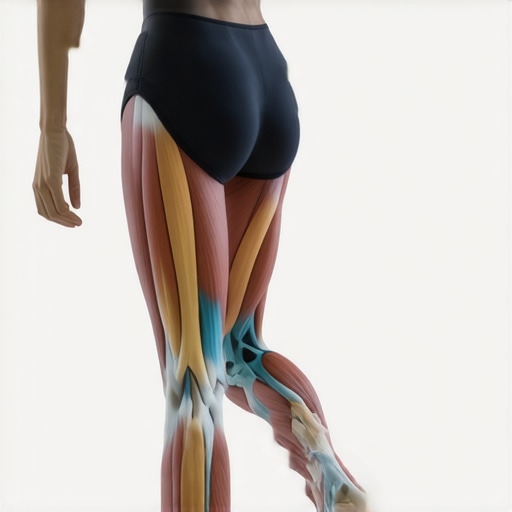
Many of us focus on our back with stretching, strengthening, or visiting a chiropractor, but rarely do we consider the role of our lower legs—specifically, the calves—in the equation. Yet, tight calves can alter your gait and posture, causing your pelvis and lumbar spine to compensate. This compensation can translate into stress and pain in your lower back muscles and joints. Think of your body as a chain; if one link is tight or weak, the entire chain becomes compromised.
Early on in my journey, I made a mistake big enough to set me back—ignoring calf mobility entirely. I focused solely on my back stretches, but the pain persisted. It wasn’t until I started paying attention to my calves that everything changed. Research supports this approach, highlighting how calf flexibility impacts pelvic tilt and lumbar alignment, which are critical in maintaining a healthy back.
If you wonder whether addressing calf tightness could genuinely help your back issues, you’re not alone. Many people dismiss calf stretches as insignificant, but the reality is, neglecting calf flexibility can perpetuate a cycle of discomfort. So, next, let’s explore how you can identify if tight calves are affecting your back and what simple steps you can take to start fixing the problem today.
Assess Your Calf Flexibility and Foot Position
Start by testing your calf flexibility. Sit on the floor, extend one leg, and try to touch your toes. If you feel tightness or can’t reach, that’s a sign tight calves are affecting your posture. Examine how your feet rest when standing; pointed or inward-toed positions can flag muscle imbalances. I remember noticing my feet turned inward during a simple walk test, which prompted me to focus on my calf stretches for relief.
Incorporate Targeted Calf Stretching Routines
Engage in daily stretches like the classic wall calf stretch. Stand facing a wall, place your hands at eye level, step back with one foot, and press the heel down while keeping the knee straight. Hold for 30 seconds, then switch sides. This method gently elongates your calf muscles, reducing tension that pulls on your pelvis and lower back. I committed to this in the morning and noticed subtle improvements in back discomfort within a week. Remember, consistency is key.
Implement Myofascial Release and Self-Massage Techniques
Use a foam roller or massage ball on your calves to break up muscle knots. Lie face down, place the roller under your calf, and gently roll from ankle to knee, pausing on tender spots. This process releases fascia restrictions that contribute to tightness. I personally found that spending 5 minutes per leg after workouts dramatically decreased calf stiffness and subsequent back strain. Over time, these relaxing techniques foster greater muscle pliability.
Adjust Your Footwear and Walking Habits
Opt for supportive shoes with proper arch support. Avoid high heels or overly stiff shoes that restrict ankle mobility. When walking, focus on a midfoot strike rather than pounding your heels. This reduces abnormal gait patterns caused by tight calves, which can tilt your pelvis and stress your lower back. I switched to more flexible shoes and consciously shortened my stride, noticing an immediate decrease in lower back discomfort and improved balance.
Address Posture During Daily Activities
Pay attention to your sitting and standing habits. Use ergonomic chairs that support your lumbar curve and avoid crossing your legs, which can tighten one side of your hips and calves. Break prolonged sitting by standing and stretching every 30 minutes. I set a timer to remind myself, and the simple act of stretching my calves and hips made a noticeable difference in easing back pain. For more mobility-enhancing techniques, consider exploring proven strategies for back pain relief.
Integrate Strengthening Exercises for Balanced Movement
Strengthen surrounding muscles like your shins and glutes to support proper gait and posture. Exercises like toe raises and glute bridges enhance muscular balance, reducing compensatory movements that stress your back. I incorporated these into my routine, which helped stabilize my pelvis. Properly balanced muscles can prevent the cycle of tight calves pulling the pelvis out of alignment, a common cause of persistent back pain. For a comprehensive approach, review techniques to boost mobility and ease pain.
Many patients believe that quick fixes like immediate chiropractic adjustments or continuous stretching are the key to solving persistent neck and back pain, but this is a misconception. In my experience, over-relying on routine manipulations without addressing underlying movement patterns can lead to temporary relief but long-term issues. For example, some practitioners recommend aggressive stretching for all types of neck tension, even when stiffness is due to joint locking or neurological factors, which can sometimes worsen symptoms. It’s crucial to understand that pain is rarely just a local issue—it’s a symptom of broader movement or postural imbalances. For advanced insight, research by Dr. Stu McGill emphasizes correcting fundamental movement dysfunctions over superficial treatments, which aligns with the idea that a comprehensive approach benefits overall spinal health.
Beware of the trap many fall into: thinking pain relief equals permanent solutions. Short-term comfort without addressing the root cause often leads to recurrence or even more complex problems. For instance, focusing solely on symptom suppression with medication or passive therapy ignores necessary improvements in mobility and biomechanics. Instead, integrating targeted chiropractic care with movement retraining offers more sustainable results. To deepen your understanding, check out our simple yet effective chiropractic strategies that emphasize proactive, natural solutions.
From the nuances of spinal micro-movements to the myths surrounding instant adjustments, there’s a lot more beneath the surface. Did you know that improper ergonomics can be a more significant contributor to neck tension than muscle tightness alone? And that addressing joint restrictions can often unlock comfort that stretching or massage can’t achieve? Understanding these hidden nuances can elevate your recovery journey.
One advanced tip is recognizing the importance of neuro-muscular coordination, which involves retraining your nervous system to activate muscles correctly. This aspect is often overlooked but is critical for lasting change. For example, integrating stability exercises with chiropractic adjustments can reinforce proper movement patterns, as supported by studies from the Journal of Manipulative and Physiological Therapeutics.
Are you aware of how subtle postural habits—like consistently tilting your head forward when working—contribute to long-term issues? Small, often unnoticed behaviors can lead to significant structural changes over time. By paying attention to these habits and correcting them with professional guidance, you set the stage for genuine improvement.
Remember, true progress in spinal health combines understanding the complex interplay between joints, muscles, and neurological pathways. Avoid the common myth that only quick fixes are effective; instead, focus on a comprehensive, individualized approach. Would you like to learn more about advanced strategies? Feel free to explore our detailed guides or contact a professional for tailored advice. And, have you ever fallen into this trap? Let me know in the comments.Maintaining long-term spinal health and mobility requires more than just sporadic stretches; it involves using the right tools and consistent routines. One device I personally swear by is a high-density foam roller, which targets my calves and hips to prevent tightness that can cascade into back pain. Unlike cheaper foam rollers that quickly lose their firmness, a dense roller provides the necessary pressure to release fascia restrictions effectively, making a noticeable difference in my flexibility and pain levels. I use it after workouts and during my evening wind-down to keep my muscles pliable and prevent joint restrictions.[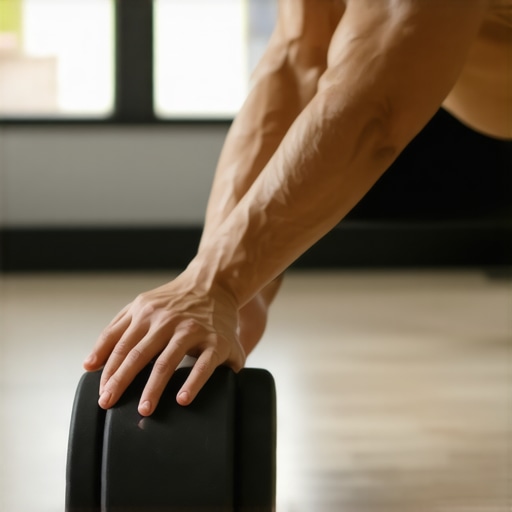 ]Furthermore, I rely on a versatile massage ball for pinpointing stubborn knots, especially in small areas like the calves and traps. The ability to target specific muscles helps me maintain mobility and avoid compensatory patterns that could lead to neck or back discomfort. Self-massage techniques like these are invaluable, especially when combined with gentle stretching routines. For software-driven support, I recommend using posture apps like ‘Upright’ or ‘Lumo Lift’—these remind me to straighten up during long office hours, ensuring that my spine stays aligned. They’re a practical way to build awareness and sustain healthy postural habits over time.
As trends evolve, I predict that wearable biofeedback devices integrated with AI will become standard tools for maintaining spinal health. These gadgets will provide real-time, personalized guidance to correct posture and muscle imbalances before discomfort even manifests.
### How do I maintain neck and back health over time?
In my experience, a multi-layered approach works best. Regularly incorporate tools like foam rollers and massage balls into your routine, combined with digital support to reinforce good habits. Additionally, periodic check-ins with a chiropractor can address underlying joint restrictions that self-care alone might miss. Integrating these practices ensures you’re proactively managing your mobility and preventing minor issues from becoming chronic problems. For further insights on effective chiropractic techniques, check out [Revitalize Your Mobility](https://quackersspinal.com/revitalize-your-mobility-proven-strategies-for-back-pain-relief). Remember, consistency is key—make these tools a part of your routine, and you’ll likely see long-term improvements in strength, flexibility, and pain levels.
What I Wish I Knew Before Making My Back Better
One of the hardest lessons I learned was that quick fixes don’t usually last. So many of us chase after immediate relief, only to find the pain creeping back. The real breakthrough came when I realized that addressing underlying habits—like calf tightness and posture—was key to lasting change. It was a reminder that genuine healing requires patience and deep understanding of our body’s interconnected systems.
Another insight was how often I underestimated subtle daily movements. Simple things like how I sat or walked had a profound impact on my back health. Small adjustments, like supporting my arches or regular stretching, compounded over time into significant relief. It’s surprising how minor tweaks can unlock major mobility gains, reinforcing that awareness is everything.
Finally, I discovered the empowering truth that we have more control over our recovery than we think. Incorporating targeted exercises, massage techniques, and mindful habits transformed my approach from passive to active. This shift made me realize that being proactive in caring for your spine isn’t just effective—it’s essential for long-term wellness.
Curated Tools That Changed My Mobility Game
- Dense Foam Rollers: I trust high-density foam rollers because they effectively release fascia restrictions in my calves and hips, preventing the chain reaction leading to back pain. They’re a game-changer for maintaining pliable muscles.
- Massage Balls: Small but mighty, these help me pinpoint stubborn knots in my calves and shoulders. Regular self-massage keeps my muscles relaxed and reduces compensatory strain on my neck and back.
- Posture Apps like ‘Upright’: These digital reminders keep me conscious of my alignment during long office hours, helping maintain spinal health proactively.
- Educational Resources such as guides on [restoring your range of motion](https://quackersspinal.com/restore-your-range-how-chiropractic-care-enhances-movement) or [chiropractic secrets](https://quackersspinal.com/boost-mobility-ease-pain-chiropractic-techniques-unveiled) have deepened my understanding and fueled my motivation for continual improvement.
Why This Journey Inspires Me to Keep Moving Forward
Healing isn’t a destination; it’s a continuous journey. The insights I’ve gained about neck pain, mobility, and chiropractic care remind me of the importance of patience, consistency, and self-awareness. If you’re committed to your well-being, remember that small, purposeful actions compound into meaningful progress. Your body is resilient and capable of change—embrace the process, and you’ll discover a healthier, more mobile life waiting for you.
What small habit could you tweak today to improve your neck or back pain? Share your thoughts below—I’d love to hear your experience!