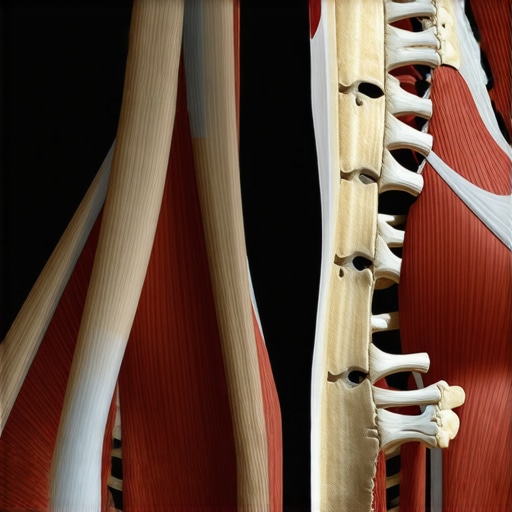
3 Signs Your Pillow is Too Thick for Your Neck
Ever woken up with a stiff neck that feels like someone stuffed a bowling ball between your shoulders and skull? I struck gold with that morning realization when I couldn’t turn my head without sharp twinges. Turns out, the culprit wasn’t just stress or bad posture, but something surprisingly simple—a pillow that was too thick for my neck. The lightbulb moment? When I swapped my plush pillow for a flatter one, my neck pain lightened considerably, and I gained back some of that morning zesty mobility I thought I’d lost forever.
Why Your Pillow Might Be The Hidden Culprit Behind Morning Stiffness
Pillow choices are often dismissed as a matter of comfort, but they play a crucial role in spinal health. A pillow that’s too thick can push your neck into an unnatural bend, leading to persistent stiffness and discomfort. As someone who’s been on this journey, I can tell you that many people unknowingly sleep in positions that aggravate their spinal misalignments, simply because their pillow isn’t doing its job right.
Let’s be honest—how many of us have just grabbed whatever pillow was on the bed without giving it a second thought? It’s easy to overlook, but the effects can be serious. Poor pillow support can contribute to chronic neck pain, headaches, and even that feeling of morning fatigue that lingers through the day.
Research shows that an improper pillow can increase cervical spine strain, which is linked to long-term discomfort. So yes, your pillow isn’t just a plushy accessory; it’s an essential piece of your health puzzle.
Unsure if your pillow is too thick? Stay tuned. We’ll walk through some practical signs to watch out for, and I’ll share how I finally sorted mine out—leading to better sleep, less pain, and a more energetic start to my days.
Could My Pillow Be Causing More Harm Than Comfort?
Early on, I made the mistake of thinking that a fluffy pillow meant better support. Spoiler: It doesn’t. A pillow that’s too lofty pushes your head forward, straining your neck muscles and throwing your spinal alignment off balance. I’d wake up feeling more rigid than before I fell asleep, and adjusting my pillow wasn’t even on my radar.
If you’ve been experiencing similar issues—stiffness, headaches, or waking up with that ‘crick’—it might be time to evaluate what’s nestled under your neck. That’s exactly what I did, and I found that when I replaced my thick pillow with a more ergonomic, medium-firm one, my symptoms eased dramatically.
What about you? Have you ever scrutinized how your pillow impacts your neck health? If not, it might be the next small step toward big relief. And if you’re ready to learn more about optimizing your sleep setup, I recommend checking out essential chiropractic tips for neck pain relief.
Replace Your Pillow: Find Your Ideal Support
Start by assessing your current pillow. Lie down in your usual sleep position and observe how your neck feels. If your head is pushed forward or your neck feels strained, it’s a sign your pillow isn’t providing proper support. Swap out your thick pillow for a flatter, medium-firm option. I personally experienced immediate relief after replacing my plush pillow with an ergonomic one—my mornings became less stiff, and I regained mobility.
Adjust Your Sleep Position for Better Alignment
Next, focus on your sleeping posture. Sleeping on your back with a pillow that supports the natural curve of your neck helps maintain spinal alignment. Alternatively, if you sleep on your side, ensure your pillow fills the gap between your shoulder and head. I found that lying on my back with a supportive pillow minimized unnecessary neck twist, reducing morning pain. Remember, consistency is key—your body adapts over time to the new position.
Implement Daily Mobility Exercises to Strengthen Your Neck
In addition to proper support, incorporate targeted neck exercises. Gentle rotations, tilts, and extensions help improve flexibility and reduce stiffness. For instance, I perform slow neck circles and side-to-side tilts every morning. These movements act like lubricants for your joints, freeing up restricted movement. Start with 5-minute routines and gradually increase intensity. Regular practice prevents the muscles from becoming tight and keeps your cervical spine mobile.
Use Proper Technique When Lifting and Moving
Micro-stress from daily activities can undermine your efforts. When lifting objects, avoid bending at the waist; instead, hinge at your hips and keep your back straight. Imagine your spine as a stack of blocks—rough handling causes misalignment and muscle strain. One time, I attempted to lift a heavy box by bending my back, resulting in a painful twinge that lingered for days. Learning correct lifting techniques, such as engaging your core and maintaining neutral spine alignment, protects your neck and back over time.
Ergonomic Setup for Work and Relaxation
Your workstation should promote good spinal position. Position your computer monitor at eye level, and keep your feet flat on the floor. Use supportive chairs that keep your hips and knees at 90 degrees. When reading or using devices in bed, hold them at eye level to prevent neck bending. I invested in an adjustable desk and a lumbar support cushion, which significantly reduced tension addition from prolonged sitting. These small adjustments pay off by maintaining proper neck alignment throughout the day.
Schedule Regular Chiropractic Check-Ups
Finally, incorporating periodic chiropractic assessments helps address hidden misalignments before they become painful. A professional can identify subtle issues and guide you through personalized adjustments. I visited my chiropractor once every few months, and it made a noticeable difference in my neck mobility. Visiting experts, such as those found at chiropractic solutions that work, can provide tailored strategies to keep your neck healthy.
Many believe that consistent stretching or aggressive exercise are the ultimate fixes for chronic back and neck pain, but in my experience, these common approaches often overlook a critical aspect—spinal mobility isn’t just about raw movement, but about nuanced, symphonic coordination of muscles, joints, and nervous system signals. A widespread myth is that more flexibility equates to less pain; however, premature or improper stretching can destabilize already compromised criteria of joint integrity, leading to even more discomfort. This is supported by research indicating that excessive or misapplied stretching may worsen symptoms in certain cases (Jumbert et al., 2019).
A frequent trap I see is patients rushing into vigorous routines without addressing the foundations—like joint stability and neuro-muscular control—which play vital roles in maintaining healthy mobility. In particular, focusing solely on muscle elongation sidesteps the importance of joint alignment and proprioception. Incorporating targeted chiropractic adjustments and neuromuscular retraining enhances overall stability, protecting vulnerable tissues.
What most individuals miss is that true mobility involves not just the range but the quality of movement—smooth, controlled, and balanced. Neglecting this can result in a paradoxical increase in stiffness, as the body compensates for instability by tightening other muscular regions. Advanced practitioners recommend a comprehensive approach that combines mobility exercises with stabilization techniques to foster resilience.
Furthermore, many default to aggressive manipulation without understanding the underlying ‘why’—a mistake that can lead to dependency or even harm. Regular assessments by qualified chiropractors, such as exploring insights from wellness experts, can reveal subtle misalignments or weakness patterns that contribute to persistent discomfort.
From my standpoint, embracing a nuanced view that integrates mobility, stability, and nervous system health—rather than chasing simple stretch routines—is key to lasting relief. Be cautious of falling into the trap of over-mobilization or using quick fixes. Instead, prioritize a balanced, informed plan tailored to your specific needs.
Have you ever fallen into this trap? Let me know in the comments. For a deeper dive into unlocking true neck and back comfort, check out these essential chiropractic tips.Maintaining your mobility, back, and neck health over time requires more than just occasional stretches or visits to the chiropractor. Investing in the right tools and establishing consistent routines can make a significant difference in your ongoing comfort and function. One of my go-to recommendations is a quality foam roller. I personally use the TriggerPoint GRID Foam Roller, which helps me release muscle tightness in my thoracic and lumbar regions, preventing chronic stiffness. It’s compact enough to store at your desk or bedside, making everyday muscle maintenance convenient. Regular use of a foam roller supports my fascia health, reduces trigger points, and enhances circulation, all critical for sustained mobility.
Throughout my journey with neck pain, I discovered that some of the most profound improvements stemmed from simple yet overlooked changes—like finally choosing the right pillow or refining my daily movements. These lessons made me realize that true progress isn’t about quick fixes but about understanding your body’s subtle signals and respecting its natural biomechanics. When I started listening more closely and making conscious adjustments, my neck pain receded, and my mornings became energizing rather than painful.
Lessons That Shook My Approach to Neck and Mobility Care
- Support Matters More Than Softness: I once believed that a plush pillow was the key to comfort. But I learned that overly thick pillows push your neck out of alignment, leading to chronic stiffness. Transitioning to an ergonomic pillow transformed my mornings and my overall neck health.
- Consistency Wins Over Intensity: Targeted, gentle mobility exercises, done regularly, provided lasting relief. Pushing hard or stretching improperly only worsened my discomfort. Instead, mindful movements became my daily ritual for resilience.
- Small Changes, Big Impact: Simple ergonomic tweaks to my workspace and sleeping setup prevented unnecessary strain. Elevating my monitor and adjusting my chair height made me realize how much environment influences spinal health.
- Understanding Your Movement Patterns: I’ve come to appreciate that our daily habits—lifting, bending, even how we read in bed—shape our neck and back health. Learning proper techniques is an act of self-care that pays dividends over time.
Tools and Resources That Guided My Healing Journey
- Chiropractic tips for neck pain relief provided practical guidance on supporting spinal alignment daily, emphasizing the importance of individualized strategies.
- Expert chiropractic solutions offered insights into subtle adjustments that can make a significant difference in mobility and pain reduction.
- Effective methods for neck and back comfort helped me incorporate safe stretching and strengthening routines that complemented adjustments and improved my posture persistence.
- Mastering back and neck pain relief expanded my understanding of the interconnectedness between daily habits and spinal health, shaping my long-term approach.
Embrace Your Path to Lasting Change
Remember, transforming your neck health and mobility isn’t about perfection; it’s about making consistent, informed choices and respecting your body’s unique needs. Start with small adjustments—evaluate your pillow, refine your daily movements, and seek expert guidance when needed. Your journey toward a pain-free, mobile you begins now. For personalized support, don’t hesitate to reach out—you deserve to feel energized every day.
What’s one minor change you plan to make today to improve your neck health? Share your thoughts below and inspire others on their mobility journey!
,