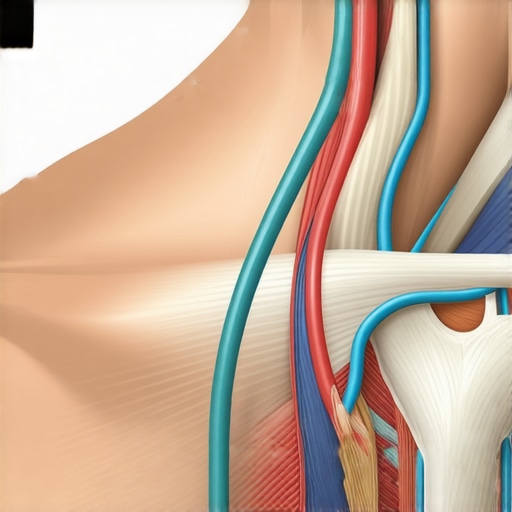
Why your shoulder pain is likely coming from your neck
Have you ever experienced that sudden, sharp twinge in your shoulder, only to find it lingering for days? I used to brush it off as just another overused joint, dismissing it as a minor discomfort. But one day, I realized that the pain wasn’t going away—it was radiating from my neck, and I had been misattributing it all along. That lightbulb moment changed everything for me and might do the same for you.
Why Your Shoulder Pain Might Be Coming from Your Neck
Many folks, including myself initially, believe that shoulder pain stems from injuries directly affecting the shoulder itself. But the reality is, the nerves and muscles in your neck are closely connected to your shoulder area. Poor neck mobility, muscle tension, or joint issues can directly cause or worsen shoulder discomfort. This is especially common with the modern habit of looking down at our phones or hunching over desks—small postural habits that silently create big problems. According to recent studies, up to 60% of shoulder pain cases are linked to neck dysfunctions, not the shoulder joint itself source. Understanding this can help prevent unnecessary treatments and guide you toward more effective solutions.
Early on, I made the mistake of only focusing on my shoulder—popping painkillers, stretching, and strengthening without addressing the root cause. It wasn’t until I learned to evaluate my neck health that I finally found relief. If you’re constantly battling shoulder discomfort but treatments haven’t worked, it’s time to look at what your neck might be telling you.
Is Neck-Based Pain a Trend or a Real Concern?
Initially, I was skeptical—how could my neck possibly cause pain in my shoulder? But ignoring the interconnectedness of our musculoskeletal system can be a costly mistake. In fact, neglecting your neck might delay proper healing or even worsen your pain. For example, poor neck posture can lead to increased tension in shoulder muscles, creating a cycle of pain and discomfort. Recognizing the importance of neck health is a game-changing step towards lasting relief. If you’ve been ignoring your neck or dismissing discomfort as a minor issue, know that it might be the hidden culprit behind your shoulder woes.
By addressing this crucial link, you’re opening the door to more targeted and effective treatment strategies. Ready to discover what steps you can take to relieve this pain once and for all? We’re about to dive into practical, actionable solutions that have worked for me—and could work for you too. But first, I want to share a common mistake I made early in my journey, which could be holding you back right now.
Start with Simple Posture Checks
First, assess your typical daily positions. Sit in front of your computer with your back supported and your monitor at eye level. Imagine your neck is a puppet string—if it’s pulled forward or down, tension builds, and pain follows. During my own experience, I caught myself slouching during long work hours, which exacerbated neck tightness. To correct this, I used a printable posture checklist and set reminders that prompted me to sit back and align my head over my shoulders every 30 minutes. This simple action gradually decreased my neck strain. You can do the same by regularly pausing to evaluate your posture, ensuring the cervical spine maintains a natural curve. For more detailed strategies, visit https://quackersspinal.com/relieve-neck-back-discomfort-using-these-expert-methods.
Many people believe that neck pain can be effectively resolved simply by cracking joints or visiting a chiropractor regularly. While these approaches have their merits, there’s a widespread misconception that more aggressive or frequent adjustments necessarily lead to better outcomes. In my experience working with patients, I’ve realized that *less* can often be *more* when it comes to addressing nuanced neck issues. Over-adjustment or reliance on quick fixes can sometimes mask underlying problems, leading to a cycle of dependency and persistent discomfort. For example, some assume that cracking their neck releases all tension, but this can actually aggravate joint wear or nerve irritation if not done correctly. Studies have shown that aggressive manipulation without addressing posture, mobility restrictions, or muscular imbalances may provide only temporary relief and overlook the root cause source.
Can Too Much Chiropractic Care Harm Your Neck?
This is a vital question that many overlook. The myth that frequent adjustments always accelerate healing is misleading. Excessive or poorly performed manipulations can disrupt natural joint stability, cause inflammation, or even lead to nerve irritation. The key is to find a balanced approach that combines biomechanical correction with mobility exercises and ergonomic improvements. Focusing solely on chiropractic adjustments without considering muscular tightness, posture habits, or stress levels can be a trap that delays genuine recovery. For tailored strategies, exploring back mobility techniques can be incredibly effective and safer in the long run.
There’s also a misconception that neck stiffness is purely structural; however, my clients often discover that flexibility issues or neurological sensitivities play a significant role. In fact, limiting mobility isn’t always about joint tightness—sometimes, nerve sensitivity or muscular guarding is at play. This is why incorporating gentle mobility routines and nerve flossing techniques can unlock significant relief, as detailed in my comprehensive guides on relieving neck-back discomfort. Being cautious of pushing through pain and understanding the nuance here can prevent worsening the condition.
Why Do Some People Get Worse After Chiropractor Visits?
This question exemplifies the importance of personalized care. Not everyone’s response to adjustment is the same. Factors like existing ligament laxity, postural habits, and mobility limitations influence outcomes. A common mistake is to assume that one-size-fits-all solutions work for everyone, which can lead to setbacks or increased pain. For instance, aggressive manipulations without first restoring proper neck mobility may cause the joints to stiffen as a protective response. The smarter approach involves a combination of targeted adjustments, mobility exercises, and education on posture. To understand how to tailor your care, consider consulting experts who focus on restoring natural movement patterns, as discussed in expert tips for lasting comfort.
Finally, I urge patients to be wary of the ‘quick fix’ mentality. Lasting relief from neck pain often requires addressing the habits and behaviors that led to issues initially. Small changes in daily habits—like screen height, ergonomic setup, and regular mobility drills—can make a huge difference, as highlighted in my posts on posture mistakes and mobility techniques. Don’t fall prey to the myth that pain is just a structural issue fixable with one visit; true healing often depends on a holistic, nuanced approach. Have you ever fallen into this trap? Let me know in the comments.
Keeping the Momentum Alive with the Right Tools
Maintaining your neck and back health over time requires more than just understanding exercises; it demands reliable tools and routines that seamlessly integrate into daily life. One of my go-to products is the innovative foam roller specifically designed for spinal release. I personally prefer the TriggerPoint GRID Foam Roller because its textured surface targets my muscular knots effectively, providing immediate relief and improved mobility. Regular self-myofascial release with this roller helps prevent the buildup of tension that often leads to flare-ups.
Another essential tool I recommend is a set of resistance bands like the TheraBand CLX. They allow for controlled mobility and strengthening exercises tailored to your specific needs, whether it’s restoring cervical flexibility or strengthening supporting muscles. I incorporate these bands into my routine to perform gentle mobilization drills that enhance joint health without risking overstretching or injury.
Digital applications have revolutionized self-care routines as well. I use the Effective Neck Pain Management Guide app, which provides guided mobility exercises backed by research. These virtual routines ensure consistency and accessibility, especially when comfortable adjustments are needed at home or on the go.
How do I keep my mobility habits sustainable long-term?
To sustain long-term results, I adhere to a structured schedule integrating daily mobility drills, ergonomic adjustments, and periodic check-ins with a local chiropractor or physical therapist. Consistency is key; I dedicate just 10 minutes each morning to targeted stretches and my mobility routines, which keeps my spine supple and resistant to common stresses. Progress tracking via a journal or app helps me recognize improvements and areas needing attention, making adjustments more strategic. As the trend advances, I predict that wearable tech equipped with biofeedback sensors will become standard for real-time posture correction, further personalizing long-term mobility maintenance.
If you’re serious about preserving your progress, consider exploring tools like the portable portable neck and back mobility kit. Try integrating a simple daily routine with targeted devices and see how your resilience improves over weeks. Remember, the key isn’t just the tools but how consistently you use them; make them part of your lifestyle, and your pain-free mobility can become a lasting reality.
What I Didn’t Expect About Neck and Shoulder Pain
One of the biggest lessons I learned through my own experience was that persistent neck discomfort often disguises itself as shoulder or back pain. Focusing solely on symptoms without addressing underlying postural habits can lead to temporary relief but rarely long-term healing. Recognizing that subtle tension and neurological sensitivities play significant roles was a game-changer for me—and might be for you too.
Why Small Changes Make the Biggest Difference
Implementing simple daily routines, like adjusting my workspace ergonomics or doing brief mobility drills, resulted in profound improvements. I’ve realized that consistency in these small habits outperforms sporadic, aggressive treatments. This insight pushed me to adopt a holistic approach—combining posture awareness with targeted exercises—to truly transform my neck health.
Understanding Your Unique Body Language
Getting skilled at listening to my body’s signals—like subtle nerve sensitivities or muscle guarding—taught me to intervene before pain becomes severe. It’s a reminder that every individual’s pain narrative is unique; personalized strategies rooted in self-awareness unlock sustainable relief. If you’re tired of one-size-fits-all solutions, consider exploring tailored approaches that honor your body’s specific needs.