4 Car Seat Adjustments for Pain-Free Commutes This Week
Ever found yourself grimacing behind the wheel, your back protesting after just a short drive? I vividly remember one morning, my neck stiffness was so intense I nearly turned around and called it a day. It wasn’t just discomfort—it was a reminder that I was neglecting one crucial aspect of my daily routine: proper car seat setup. That lightbulb moment led me to explore simple yet effective adjustments that transformed my commutes from painful to pain-free.
Why Your Car Seat Might Be the Culprit Behind Your Persistent Discomfort
Most of us spend a significant part of our day sitting—whether at work, home, or behind the wheel. Yet, few realize that the way we position ourselves in our car seats can make or break our spinal health. Improper seat height, tilt, lumbar support, and armrest positioning can lead to chronic pain, stiffness, and even nerve issues. The good news? Small tweaks can have a big impact. Trust me, after adjusting my seat using these tips, my neck and back no longer ache by the end of the day. If you’re tired of limping through your drives, these adjustments might just be your game-changer.
Is Car Seat Adjustment Really Worth the Hype?
When I first started fiddling with my seat settings, I had my doubts. I assumed it was just comfort, not health. But early on, I made a mistake of leaving my seat a little too reclined, which actually increased my neck tension. That misstep was a stark reminder: proper positioning isn’t just about comfort; it’s about preventing pain. Research supports this—according to a study published in the European Spine Journal, poor ergonomic habits during driving can significantly increase the risk of back and neck pain. So, yes, making the right adjustments is hugely worthwhile.
Ready to learn how to set up your seat for optimal alignment? Let’s get into the practical steps that will revolutionize your commute—and your health.
Start with Seat Height And Fore-Aft Position
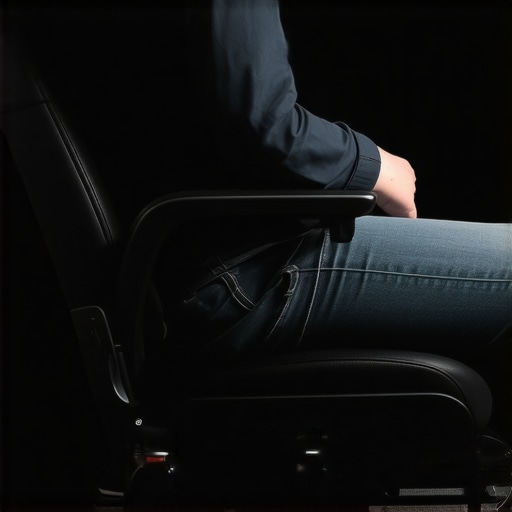
Set your seat height so that your hips are at or slightly above your knees. Imagine your pelvis as the foundation of a house; a stable, level base prevents strain. Sit back completely, then slide the seat forward or backward so that when your foot rests on the accelerator, your knee is slightly bent—about 120 degrees. I once struggled to reach the pedals comfortably, causing my hamstrings to tighten over time. Adjusting my seat so I could operate pedals without stretching or cramping made a noticeable difference in back comfort. For precise tips, see how proper seat positioning affects back health here.
Adjust Your Seat Tilt and Lumbar Support
Set the seat tilt so that your hips are slightly higher than your knees, mimicking a slight recline, but not so much that you slide forward or your head strains forward. Think of this as aligning your pelvis in a neutral position, crucial for spinal health. Use the lumbar support to fill the natural inward curve of your lower back—don’t overdo it; a gentle support works best. I recall having my lumbar cushion too high, which pushed me into an unnatural arch, leading to persistent discomfort. Fine-tuning this support kept my spine in a healthier position, reducing fatigue. Learn how to optimize lumbar support here.
Set Armrest Height and Steering Wheel Position
Adjust the armrests so your shoulders are relaxed, with elbows bent roughly at 90 degrees—like holding a handshake position—your arms supported without tension. The steering wheel should be positioned so that your wrists rest comfortably against it without elevating or reaching forward. Think of this as the steering wheel being an extension of your arms, enabling steering without shoulder shrugging. I once ignored armrest positioning, leading to shoulder stiffness after long drives. Correcting these adjustments allowed my upper body to stay relaxed, protecting my neck and shoulders. Discover more about preventing upper body tension while driving here.
Final Check: Maintain Good Posture During Your Drive
Once your seat is adjusted, sit upright with your back fully supported, shoulders relaxed, and chin level. Imagine your spine like a string of pearls—aligned and supported at each point. During driving, occasionally readjust if you notice yourself slouching or craning your neck. Remember, these tweaks are not a one-and-done; revisit the adjustments periodically to account for comfort shifts or seat wear. I make it a habit to recheck my positioning every few weeks, ensuring I stay in optimal alignment. For ongoing tips, explore strategies to maintain good posture here.
 Many assume that chiropractic care is primarily about quick fixes or cracking knuckles to relieve pain, but the reality is far more nuanced. A common myth is that chiropractic adjustments are solely for acute pain, when in fact, they can play a vital role in maintaining long-term spinal health and mobility. This misconception often leads people to delay care until discomfort becomes unbearable, which can complicate recovery and prolong discomfort. Embracing a proactive approach—integrating regular chiropractic assessments—can prevent the recurrence of issues and optimize function. However, some overlook the importance of personalized treatment plans tailored to individual biomechanics, which is essential for effective results. Relying solely on cookie-cutter adjustments can sometimes worsen underlying issues or cause overuse injuries. For example, aggressive manipulation without considering a patient’s unique structural nuances or movement patterns may inadvertently exacerbate pain or create new imbalances. To truly benefit from chiropractic care, understanding its role in holistic health is crucial, beyond just symptom relief. Check out how chiropractic can enhance your mobility naturally and support your active lifestyle. An advanced point to consider is the misconception that pain is the only indicator of misalignment; in reality, subtle signs like restricted movement or postural asymmetries may be early warnings. Recognizing these signs early allows for preventative care, reducing the risk of chronic issues. According to a study published in the Journal of Manipulative and Physiological Therapeutics, proactive chiropractic interventions can significantly improve spinal function and decrease long-term disability. So, I encourage you to look beyond immediate pain and consider the broader benefits of ongoing spinal health management. Are you guilty of dismissing the importance of proactive care? Let me know in the comments. Remember, neglecting these nuances might be the hidden obstacle preventing your optimal health. Staying informed and attentive to your body’s subtle cues is key to avoiding common pitfalls and achieving lasting well-being.
Maintaining optimal spinal health and mobility isn’t a one-time act; it requires consistent effort, proper tools, and a proactive approach. Over the years, I’ve found that integrating specific equipment and software into my routine has made a significant difference in long-term outcomes. Here’s a breakdown of what I personally use and recommend for sustained back, neck, and mobility health.
Smart Posture Monitors Keep Me Accountable
One of my favorite tools is a wearable posture sensor that provides real-time feedback when I slouch or lean excessively. The Upright Go device attaches discreetly to your upper back and syncs with an app, helping me develop better habits by alerting me to poor posture. This constant feedback loop ensures I stay mindful throughout the day, reducing strain and preventing chronic issues. As posture awareness increases, so does spinal resilience over time.
Foam Rollers with Targeted Foam for Deep Relief
My go-to foam roller is the TriggerPoint GRID, which features multi-density foam that effectively releases muscle tightness around the thoracic and lumbar regions. Unlike generic rollers, its textured surface allows for precise trigger point work, helping me maintain tissue elasticity and prevent adhesions that can cause pain or limit movement. Regular use complements chiropractic treatments and accelerates recovery.
Digital Resources to Stay Informed and Track Progress
I rely heavily on practice management software that helps me schedule regular check-ins with my chiropractor and track my pain levels, mobility, and exercises. Platforms like practice-specific apps offer personalized routines, reminders, and educational content. This integration keeps me accountable and proactive about my spinal health, allowing adjustments before minor discomfort turns into chronic pain.
Therapeutic Devices for Ongoing Relief
I recommend a high-quality TENS (Transcutaneous Electrical Nerve Stimulation) unit for home use. Devices like the NeuroTrac offer adjustable settings to target specific areas, helping to alleviate nerve pain and muscular tension. Using these tools in conjunction with chiropractic care ensures sustained relief and supports long-term mobility.
Looking Ahead: The Future of Spinal Maintenance Tools
Technology is rapidly advancing, with AI-powered posture correction glasses and virtual reality rehab programs on the horizon. These innovations promise even more personalized, effective strategies to keep your spine healthy and pain-free. For now, the combination of wearable tech, targeted relief tools, and digital tracking forms a solid foundation.
How do I keep my back healthy over time?
Consistency is key. Develop a routine that incorporates daily stretching, strength exercises, and the proper use of tools like foam rollers and posture monitors. Regularly visiting your chiropractor for assessments and adjustments continues to be crucial. To enhance your journey, I suggest trying the proven chiropractic strategies that support your at-home efforts.
Want to experience lasting relief? Incorporate advanced techniques like nerve glides to keep your nervous system functioning optimally. Check out this guide on enhancing mobility naturally for detailed exercises and tips.

Three Surprising Truths I Discovered About Spinal Health
- Listening to My Body Is More Important Than Any Gadget: I used to rely solely on technology like posture sensors, but I realized that tuning in to my own sensations was the real game-changer. Awareness of subtle discomforts often warns us before pain strikes, saving us time and trouble.
- Consistency Outranks Intensity in Long-Term Mobility: Quick fixes offered temporary relief, but sustained improvements came from daily habits—stretching, mindful posture, and regular chiropractic check-ins. Small, ongoing actions build resilience over time.
- Every Adjustment Is a Partnership: Effective chiropractic care isn’t just about the practitioner; it’s a collaborative effort. Educating myself about my spine’s unique needs empowered me to participate actively in my recovery process.
Tools That Transformed My Approach to Back Pain
- ProRelax Lumbar Support: This adjustable cushion personalized my lower back support and reminded me to maintain good posture throughout the day—crucial for preventing flare-ups.
- Mobility Master App: Tracking my progress and receiving tailored exercises kept me accountable and motivated. Digital resources like this bridge the gap between visits and daily routines.
- TriggerPoint Foam Roller: Regular self-myofascial release with this roller helped me stay loose and avoid stiffness, especially after long sitting periods.
- Virtual Consultations: Accessing expert advice remotely allowed me to adapt my routines quickly and stay consistent, even on busy days.
Embrace Your Spinal Journey Today
Every step toward better spinal health is a gift to yourself. Remember, small adjustments and proactive habits can lead to profound changes. Don’t wait for pain to become a barrier—start integrating these insights now and discover a more comfortable, mobile life. Your spine deserves the same attention you give to your dreams—nurture it, and it will serve you well for years to come.
What’s the one change you’re excited to try today to improve your back health? Share your thoughts below—I’d love to hear about your journey to mobility and comfort!
,