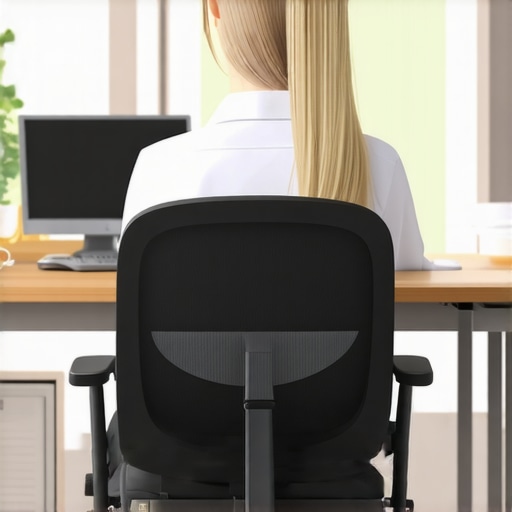
Why Your Desk Chair’s Lumbar Support is in the Wrong Spot
There was a moment I won’t forget—wrenching pain shooting up my lower back after sitting at my desk for just a few hours. It felt like my spine was protesting every inch of my posture choice. That’s when I had my lightbulb moment: I realized the lumbar support in my chair was actually in the wrong spot, contributing more harm than good. If you’ve ever experienced that dull ache or sharp twinge after a long workday, you’re not alone. Many of us set up our workspaces with good intentions but miss a crucial detail that could be silently sabotaging our back health.
Why Positioning Your Lumbar Support Matters More Than You Think
I’ve come to learn that the placement of lumbar support isn’t just a minor detail—it’s a game changer. When it’s in the wrong spot, it can cause your pelvis to tilt, strain your muscles, and even lead to chronic pain. I used to think that any support was better than none, but I discovered that precise positioning matters. Misaligned lumbar support can push your spine into unnatural curves, which over time, exacerbates existing issues or creates new ones. According to recent studies, improper lumbar support placement can contribute to increased disc pressure, escalating back pain symptoms (source).”>Understanding this critical aspect of ergonomic setup can help you prevent pain before it starts.
Is Adjusting Your Lumbar Support Really Worth the Effort?
I’ll admit, I used to overlook the fine-tuning of my chair’s support, thinking it was a hassle. I made the mistake of just haphazardly placing it without testing how my back felt during a typical workday. What I didn’t realize is that such a simple oversight could cause months of discomfort. My advice: don’t make the same mistake. Proper adjustment is an inexpensive way to invest in your back’s health, saving you from costly chiropractor visits later. Curious about how to get your support in the perfect spot? Want to know if your current setup is harming or helping? Keep reading—I’m here to share the steps that will transform your sitting experience and prevent future pain.
Start With Your Chair Adjustment
Begin by setting your chair height so that your feet rest flat on the ground, and your knees are roughly level with your hips. This foundation helps prevent pelvis tilt, which can worsen back strain. Sit back and notice where your lower back naturally curves—this is your target zone for lumbar support placement.
Identify the Correct Lumbar Support Spot
Locate your lumbar support—either built-in or portable—and adjust it vertically so it aligns with the natural inward curve of your lumbar spine. Think of it like positioning a saddle on a horse; it needs to sit snugly in the right groove for comfort and stability. I once spent twenty minutes chasing this perfect position, removing and reattaching the support until I felt a gentle but firm contact supporting my lower back without pushing my pelvis forward.
Test During Movement
Once positioned, sit back, and perform gentle movements—leaning slightly forward, backward, and side-to-side. If the support feels loose or presses into your muscle tissue, readjust. Your goal is consistent contact that supports your spine’s natural curve without causing discomfort or restriction. I found that staying in this position for at least 10 minutes during work helped me realize whether I need finer adjustments. If discomfort persists, consider consulting a chiropractor to fine-tune your setup and prevent long-term issues.
Routine Re-evaluation Is Key
Your posture habits and workspace change over time, so recheck your lumbar support placement weekly. Small shifts in your desk setup or posture can make a significant difference. Remember, like tuning a musical instrument, it’s about achieving a balance that feels natural. If persistent pain or discomfort occurs, don’t hesitate to contact professionals who can offer personalized guidance—see here.
Integrate Mobility Breaks for Better Support
Complement your ergonomic adjustments with regular mobility exercises. Simple moves like pelvic tilts or cat-cow stretches can reinforce proper posture and reduce the reliance on support devices alone. I started doing short mobility routines every hour, which noticeably relieved strain and increased my comfort. For detailed techniques, check out Mobility Mastery Tips.

Many believe that moving more automatically reduces pain or that chiropractic adjustments instantly fix chronic issues. But as an expert in spinal health, I’ve seen these assumptions lead many astray. A common myth is that all mobility exercises are beneficial for everyone—yet, in reality, improper technique or inapproppriate selections can worsen discomfort or cause new problems. For example, vigorous stretching without proper assessment can overstretch ligaments or irritate nerves, especially when underlying issues remain unaddressed. According to a study published in The Journal of Orthopaedic & Sports Physical Therapy, inappropriate exercise choices can hamper recovery and even delay healing processes (source).
What Should Advanced Practitioners Focus On Beyond Basic Mobility?
For those seeking deeper mastery, it’s vital to recognize that mobility isn’t just about flexibility. It involves neural control, muscular balance, and joint stability. Overlooking these nuances can lead to repetitive strain or chronic compensation patterns. For instance, tightening of certain muscles like the psoas can subtly tilt the pelvis, impacting back health long-term. Professional guidance ensures you’re targeting the right tissues at the correct phase of recovery or performance training. Don’t fall into the trap of generic routines—consulting a specialist can help tailor approaches that align with your unique biomechanics and prevent setbacks.
Another frequently missed nuance concerns the role of joint and nerve interplay. Sometimes, pain originates from nerve impingements or joint misalignments that are not addressed by mobility alone. Chiropractic care, for example, isn’t just about cracking backs—it involves precise assessments to find hidden restrictions and nerve tensions. Directly addressing these can unlock improvements in neck and back pain that stubbornly persist despite conventional stretching routines. For more insights, explore this comprehensive guide.
Beware the Double-Edged Sword of Self-Adjustment and Self-Diagnosis
One of the biggest oops moments I see is individuals attempting to self-manipulate or self-diagnose their issues. While it might seem cost-effective or convenient, untrained attempts to adjust your neck or back can cause microtraumas, worsen existing conditions, or even create new misalignments. I often receive calls from patients who, after watching a YouTube tutorial, tried to ‘crack’ their own neck and ended up with increased pain or dizziness. The danger lies in not understanding the complex biomechanics at play and relying solely on intuition. If you’re experiencing persistent discomfort, seeking professional assessment ensures safe, effective treatment—like in this contact page.
Remember, true progress in mobility and pain management comes from respecting the complex, interconnected systems of your body. Missteps in early attempts at correction can set you back months or cause injury. Stay informed, listen to your body carefully, and prioritize expert guidance over shortcuts. Have you ever fallen into this trap? Let me know in the comments.
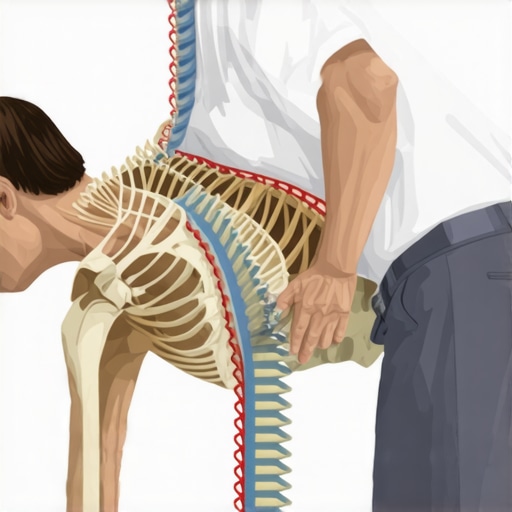
Maintaining your mobility, especially when managing neck and back pain, requires more than just occasional exercises; it demands the right tools and consistent upkeep. From ergonomic equipment to specialized software, the investments you make today can determine how long you enjoy pain-free movement tomorrow.
Choosing the Right Support Devices
One of my go-to tools is a high-quality lumbar roll, such as the Everlasting Comfort Lumbar Support Cushion. I personally use this cushion during long days at my desk because it molds to my lumbar curve, providing targeted support that prevents slouching. Unlike generic supports, this cushion is memory foam with adjustable straps, ensuring it stays in place and adapts to different chairs. Investing in an ergonomically designed support device reminds me to maintain proper posture, reducing strain in the long run.
Implementing Smart Technology
I’ve integrated posture correction apps like Upright GO into my daily routine. This device clips onto your upper back and provides gentle vibrations whenever you slouch, nudging you to sit upright. It’s a subtle yet powerful way to keep awareness high. Regular use trains your muscles habitually to maintain better alignment, which benefits your spinal health over months and years. The trend toward biofeedback tools suggests that leveraging technology makes maintaining optimal posture more approachable, especially during busy workdays.
Routine Maintenance with Physical Aids
Using foam rollers and massage balls regularly has become a cornerstone of my self-care. I prefer the TriggerPoint GRID Foam Roller because of its durability and grid design that targets specific muscle knots without causing excessive discomfort. Daily rolling sessions help me release tension accumulated from sitting and poor posture habits. This proactive approach prevents stiffness and promotes blood flow, which is vital for long-term mobility.
Keep Long-Term Results Alive
To sustain progress, I schedule weekly check-ins with a chiropractor who specializes in spinal health. Regular adjustments combined with my own maintenance routine create a balanced approach. Additionally, I journal my pain levels and mobility scores, which helps me catch early signs of regression and adjust accordingly. The future of mobility management lies in personalized, data-driven routines that adapt as your body changes.
Scaling Up for Greater Mobility
If you’re looking to scale your efforts, consider integrating yoga with guided online classes or even investing in a premium ergonomic workstation setup. For instance, a sit-stand desk converter like the Vivo Electric Sit-Stand Desk allows me to switch positions throughout the day, alleviating pressure points. As research indicates, dynamic movement is crucial for sustained health (source), and having the right tools makes this easier to implement consistently.
How do I keep my mobility tools effective over time?
Through routine inspection and replacement. Foam rollers can lose their firmness, and smart devices might need software updates to stay accurate. Setting reminders to evaluate your tools monthly ensures they perform optimally. And don’t forget, proper storage and cleaning extend their lifespan—keeping them ready when you need them most.
Want to take your mobility game to the next level? Try integrating a foam roller into your daily routine. Specific strategies, like the targeted foam rolling techniques, can drastically improve flexibility and reduce pain. Commit to this small step today—your back will thank you in the years to come.

What I Would Have Told My Younger Self About Back Care
One of my most profound lessons is that consistent fine-tuning is vital. Small adjustments in posture, support, or movement patterns, when done regularly, compound to create lasting relief. I wish I had prioritized routine checks on my ergonomic setup and sought professional advice sooner. Delay often leads to unnecessary discomfort that could have been prevented with early action.
Another insight is that mindless habits can stealthily undo progress. Subtle behaviors like slouching during calls or neglecting mobility breaks accumulate strain over time. Becoming mindful of these daily choices is an inexpensive yet powerful way to safeguard your spine—start paying attention today, and you’ll notice changes, I promise.
The third lesson is that holistic care surpasses quick fixes. Relying solely on support cushions or occasional stretches misses the bigger picture—building muscular balance, nerve health, and proper joint function. Regular professional assessments, combined with targeted exercises, are essential investments in long-term back health. Never hesitate to seek expert guidance; your future self will thank you.