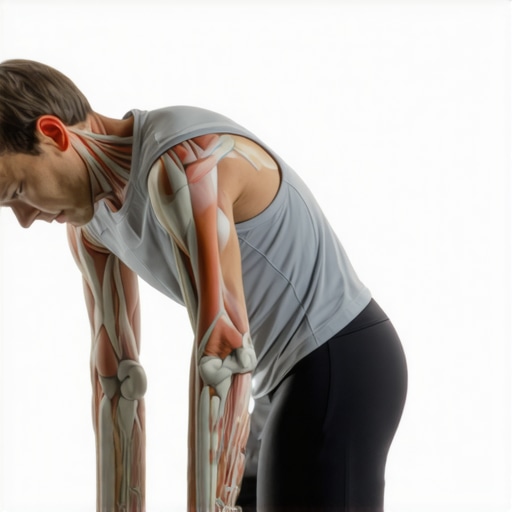
The 30-Second Glute Squeeze That Instantly Relieves Lower Back Pressure
It was a morning just like any other, except this time I felt that dreaded twinge in my lower back right as I sat up from bed. You know that uncomfortable, tight feeling that makes you dread bending or even standing? I’ve been there—searching for quick relief, feeling frustrated, convinced I needed another round of chiropractic visits. But then, a light bulb went off during a particularly tense day—what if I could activate the muscles that support my spine in just seconds?
Discover the Power of a Simple Squeeze
Everyone with back pain has felt that desperate urge to find a quick fix. I remember trying countless stretches, heat packs, and even contemplating a trip to the chiropractor again. Yet, what I needed was something surprisingly simple—an instant technique that could reset my lower back pressure without obsessively stretching or resting. That’s when I stumbled upon the 30-second glute squeeze, a tiny move that instantly brought relief and increased mobility.
This method isn’t just my personal hack; it’s backed by biomechanics. When you activate your glutes, you’re engaging your posterior chain, which in turn stabilizes your lumbar spine. Studies have shown that strengthening and activating glute muscles can dramatically improve lower back health and reduce pain (source: https://quackersspinal.com/back-pain-recovery-how-chiropractic-care-transforms-lives). The beauty of this move is how quick, easy, and effective it is; I promise it will become a go-to in your pain management toolbox.
Now, I want to ask—have you ever experienced that sharp or dull lower back ache that just won’t let go? If so, stick around. Because I’m going to walk you through the precise steps to master this one-minute fix that has changed my daily routine and could do the same for you.
> But first, let’s address the doubt many people have—”Is this really enough to make a difference?” Trust me, early on, I thought it was too simple to work. I made the mistake of dismissing small adjustments, convinced I needed more intense therapy. That was a mistake. Small, consistent activations of key muscles like the glutes can lead to significant improvements over time. Ready to learn how to do it right? Let’s dive in.
How to Perform the Glute Squeeze Correctly
Step one: lie on your back or sit comfortably, ensuring your spine is in a neutral position. To activate your glutes, tighten the muscles in your buttocks as if you’re trying to lift something heavy with them. For about 5 seconds, hold this contraction, then release. I once practiced this during a quick break at my desk, and noting the immediate loosening in my lower back was eye-opening—this isn’t just theory, it’s practical.
Focus on Muscle Engagement
Concentrate on squeezing the muscles at the top of your hips, not just your legs or thighs. To boost effectiveness, imagine trying to gently press your hips into a pillow beneath you. When I first tried this, I accidentally activated my hamstrings at first—so, I reset and focused solely on glutes, which made a noticeable difference in relief.
Establish a Routine for Best Results
Incorporate this squeeze into your hourly routine: sit, squeeze, hold, release, then stand or stretch. This consistency trains your muscles, making the activation effortless over time. I made it a habit during my work-walk intervals; within days, my typical afternoon back ache diminished significantly.
Combine with Gentle Movement
After squeezing, perform a gentle pelvic tilt or a brief walk to circulate blood and engage the muscles further. This combination amplifies the benefits. Once, I paired it with light stretching, which initially felt awkward, but soon became a natural part of my back pain management — for more advanced strategies, check out these expert methods.
How to Avoid Common Mistakes
Avoid over-squeezing or tensing other muscle groups like your thighs or lower back. Keep the movement controlled and focused solely on your glutes. When I was first learning, I would accidentally arch my lower back, diminishing the effectiveness. Refining this focus made my relief more consistent and enduring.
Integrate This Technique into Daily Life
Use the glute squeeze anytime you notice tension building, especially after prolonged sitting or physical strain. It acts as a quick reset, preventing discomfort from escalating. Over time, this small habit can strengthen supporting muscles, aligning with what you find in comprehensive back health strategies described here.
< }
}
Many believe that pain relief hinges solely on quick fixes or simple stretches, but the reality is far more nuanced. A common misconception is that all chiropractic adjustments are the same or that they provide immediate, permanent relief. In my experience, the effectiveness of chiropractic care depends heavily on understanding the specific cause of your discomfort and integrating advanced strategies tailored to your condition. For example, techniques targeting spinal mobility often outperform generic adjustments, especially when combined with exercises like those detailed here.
Another trap people fall into is assuming pain is purely structural when, in fact, nerve sensitivity, muscular imbalances, and even neurological factors play critical roles. Recognizing these nuances can prevent ineffective treatments and promote targeted healing. For instance, persistent neck tension might seem like a simple muscle strain, but deeper issues involving cervical neural pathways could be at play—more info on that is available here.
Can Improving Mobility Alone Resolve Chronic Pain?
Advanced pain management recognizes that enhancing mobility isn’t just about stretching but involves retraining the nervous system to accept and adapt to new movement patterns. This approach is supported by studies indicating that neuroplasticity—our brain’s ability to reorganize itself—can be harnessed to overcome chronic pain states, especially when combined with chiropractic techniques that focus on restoring neural pathways here.
Be cautious of the common myth that stiffness automatically equals injury; sometimes, stiffness reflects the body’s protective response. Pushing through pain without understanding its origin can exacerbate issues rather than resolve them. That’s why a comprehensive approach combining mobility exercises, neurological awareness, and chiropractic adjustments is essential for lasting relief. For example, exploring advanced mobility techniques deeply rooted in neurobehavioral science can make a significant difference. Curious to learn more? Check out this resource.
In summary, hidden nuances—like the role of neurological factors, the importance of tailored strategies, and the myth of quick fixes—are crucial in effective back and neck pain management. Recognizing and respecting these complexities can save you time and prevent setbacks. Have you ever fallen into this trap? Let me know in the comments.
Maintaining long-term neck and back health requires more than just quick fixes; it demands reliable tools and consistent routines. One of my favorites is the **TheraBand Resistance Tube**. I personally use it daily for targeted strengthening exercises, especially for the posterior chain—critical for spinal support. Its versatility allows me to perform mobility drills that are both effective and gentle, helping to reinforce the muscles that stabilize my spine and prevent pain from recurring.
Another indispensable tool is a **lumbar support cushion** for my office chair. I’ve found that maintaining proper pelvic alignment is essential, and this cushion provides the necessary proprioceptive feedback to keep my posture in check during long hours at my desk. Consistent use helps avoid the habitual slouching that often leads to chronic discomfort.
On the software side, I recommend **MobilityWOD**, a platform I subscribe to for guided mobility routines tailored specifically to back and neck issues. The structured programs help me track progress and ensure I’m performing exercises correctly, which is crucial for sustained results. Investing in quality apps that focus on mobility and neuromuscular re-education can significantly expedite your healing and prevention process.
Looking ahead, I believe this trend will continue toward integrating wearable tech with smart rehabilitation tools. Devices like biofeedback sensors could provide real-time data on muscle activation, allowing for even more personalized routines. Companies are already exploring AI-powered monitors that adapt exercises based on live metrics, making maintenance both effortless and scientifically precise.
How do I maintain these routines over time? Consistency is key. I set reminders to perform quick activation drills like glute squeezes or posture checks hourly. Additionally, I cycle through my chosen tools—using resistance bands, cushions, and apps—to keep my regimen fresh and engaging. This multifaceted approach not only sustains mobility but also prevents mental fatigue, which can be a barrier for many.
If you’re serious about long-term relief, incorporate these tools into your daily schedule. Start with the resistance tube to strengthen key muscles, add a lumbar support cushion for ergonomics, and leverage guided routines from apps like MobilityWOD. Over time, these investments in your body will pay off, reducing dependency on reactive treatments and empowering you to stay active and pain-free.
For a deeper dive into effective mobility routines and to explore a comprehensive approach, check out this resource. Remember, consistent small tweaks and the right tools can dramatically extend your spinal health and quality of life.
The Hardest Lesson I Learned About Neck Pain, Back Pain, Chiropractic, Mobility
Initially, I believed that relief came solely through intense treatments or constant stretching. But my real breakthrough was realizing that sustainable progress often depends on simple, consistent activating habits that empower your body to heal itself. Over time, I understood that patience and small daily routines outweigh quick fixes, saving me from recurring discomfort.
My Essential Toolkit for Long-Term Back and Neck Wellness
Tools like a high-quality resistance tube for muscle strengthening, an ergonomic lumbar cushion, and guided routines from trusted apps became my companions in fostering spinal health. These resources aren’t just effective—they build a foundation for proactive care, making continuous improvement feasible without expensive therapies. Personal trust in these tools grew as I saw real, lasting change unfold.
Your Turn to Shape a Pain-Free Future
Remember, enduring back and neck health isn’t about unpredictable quick fixes but about embracing consistent, informed actions. Each small effort compounds into meaningful change, giving you the power to take control. So, start today: integrate the simple glute squeeze into your routine, optimize your workspace, and stay committed to your mobility journey. Your healthier spine awaits—are you ready to begin?