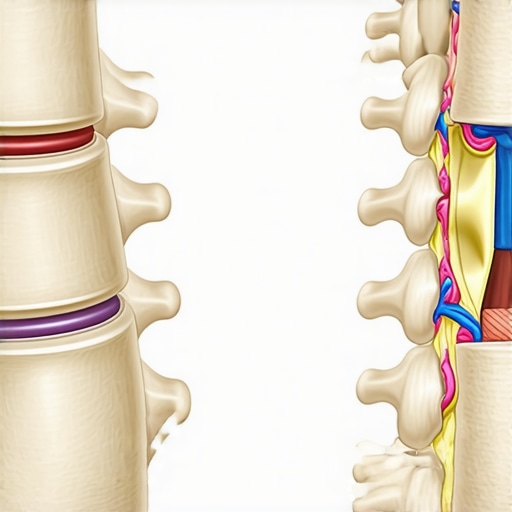
The difference between a bulging disc and a herniated disc
One morning, I woke up feeling a sharp, persistent pain in my lower back that just wouldn’t quit. I tried to brush it off, thinking it was a simple muscle strain, but as days went by, the discomfort worsened. It was a lightbulb moment for me—understanding what was really going on inside my spine could have saved me weeks of unnecessary worry and treatment.
Why Knowing Your Disc Matters More Than You Think
Many people, myself included at first, confuse a bulging disc with a herniated disc. But these terms aren’t interchangeable, and knowing the difference could change the way you approach your recovery. When I started digging into my condition, I realized that identifying the specific issue helped tailor my treatment, leading to faster relief and better long-term health.
In today’s post, I’ll guide you through understanding these common spinal problems, sharing personal insights and practical tips to help you navigate the confusion. Whether you’re dealing with neck pain, back spasms, or mobility issues, understanding what’s happening in your spine can empower you to make smarter decisions. Ready to get clarity and take control of your back health?
Could Your Skepticism Be Holding You Back?
When I first learned about discs, I dismissed the idea that something so small could cause such havoc. I made the mistake early on of ignoring expert advice, thinking, “It’s just a minor issue.” That cost me precious time and discomfort. Learning from that mistake, I want to help you avoid similar pitfalls, especially around trusting the true nature of your spinal problems.
Research shows that misinterpreting disc injuries can lead to ineffective treatments. According to a study published in the Journal of Orthopaedic & Sports Physical Therapy, accurate diagnosis of disc type significantly improves treatment outcomes. So, understanding whether you have a bulging disc or a herniation isn’t just semantic—it’s essential for effective care.
In the next sections, we’ll dive into how these conditions differ and what actions you can take right now to start feeling better. If you’ve felt that sharp pain or that nagging ache that refuses to go away, keep reading—you’re about to gain clarity on what your body is telling you.
Start With Precise Diagnosis and Assessment
My first step was to stop guessing and get a clear picture of what was happening inside my spine. I scheduled a consultation with a chiropractor who specialized in disc issues, which led to an accurate diagnosis of whether I had a bulging disc or a herniation. This is crucial because each condition requires different treatment approaches, much like choosing the right tool for a specific job. Without proper assessment, you’re just shooting in the dark.
Prioritize Gentle Movement Over Rest
When my back aches flared up, I used to think complete rest was the answer. However, I learned that prolonged immobilization could stiffen muscles and worsen mobility. Instead, I started with light, controlled movements, like short walks and gentle stretches, to keep my joints lubricated and muscles active. Imagine your spine as a hinge; keeping it moving within comfortable limits prevents it from seizing up. This approach also helps in managing inflammation and promoting blood circulation.
Use the Right Techniques for Stretching
Stretching is effective but needs to be specific and safe. I avoided aggressive stretching that can strain inflamed tissues. Instead, I adopted gentle extensions and flexions, such as the McKenzie method, tailored to my pain pattern. A good rule is to move slowly into the stretch, hold briefly, and listen to your body. For neck pain, simple chin tucks or gentle neck tilts performed daily can significantly improve posture and reduce tension. Learn more about effective neck management in this comprehensive guide.
Implement Posture Awareness Throughout Your Day
Poor posture was a major culprit in my discomfort. To combat this, I set reminders to check my sitting position every hour. Ensuring my computer monitor was at eye level, adjusting my chair to support my lumbar curve, and avoiding slouching became habits. Think of your spine as a stack of blocks; misalignment is like tilting the entire stack, causing strain. Consistent awareness and small adjustments can keep your back aligned. I learned that using ergonomic accessories, like supportive cushions or adjustable desks, can make a noticeable difference.
Apply Targeted Chiropractic Techniques
Manual therapies like chiropractic adjustments can realign vertebrae and restore mobility. I visited a chiropractor who specialized in spinal correction, and their precise adjustments provided immediate relief. These manipulations are akin to tuning a musical instrument—correcting the pitch restores harmony. For sustained benefits, combine adjustments with exercises and lifestyle changes. Resources like this article offer insights on effective chiropractic techniques for mobility enhancement.
Strengthen Supporting Muscles
Weak core muscles and poor scapular stability often exacerbate back and neck issues. I incorporated simple strengthening routines—like planks, bird-dogs, and shoulder blade squeezes—that target these areas. Think of your core as the foundation of a building; a strong base ensures stability and reduces undue pressure on the spine. Practice these exercises daily, gradually increasing duration and intensity. For specific routines, check out this resource.
Integrate Breathing and Relaxation Methods
Stress and muscle tension go hand-in-hand with pain. I used diaphragmatic breathing techniques to relax tight muscles, especially in my neck and upper back. Deep, slow breaths help activate the parasympathetic nervous system, calming the body’s response to pain. Incorporating mindful relaxation strategies can prevent muscle guarding and reduce pain perception. Find more on relaxation techniques in this quick exercise.
Maintain Consistency and Re-evaluate
Progress depends on persistent application of these steps. I kept a pain journal to track which activities aggravated or alleviated symptoms, allowing me to adjust my routines. Regular check-ins with my chiropractor ensured my plan stayed effective. Think of this process as tuning a piano—regular adjustments keep it sounding perfect. Over time, these deliberate actions improved my mobility and reduced pain, empowering me to live actively again.
Many people believe that back pain is simply a result of muscle strain or a bad posture, but the truth runs deeper. One common misconception is that all chiropractic adjustments are interchangeable, leading to the assumption that visiting any chiropractor will yield similar results. However, expertise varies, and specialized techniques—like those detailed in chiropractic secrets—are often necessary for lasting relief.
A hidden nuance involves the difference between temporary relief and addressing the root cause. Many assume that quick fixes, such as frequent cracking of the back, are beneficial, but this can lead to over-reliance on manipulations without improving mobility or strength. Overdoing such adjustments without proper support training can reinforce faulty movement patterns, causing persistent issues. Think of it like tuning a musical instrument without fixing the strings—your pitch might improve temporarily, but the problem remains.
The myth that neck pain and back pain are unrelated also persists. This simplification overlooks the complex interconnectedness within the spinal structure. For example, this article explains how cervical alignment influences overall mobility, yet many ignore neck issues as minor. Neglect can lead to compensatory movement patterns elsewhere, ultimately reducing mobility and causing discomfort.
Advanced practitioners recognize that addressing mobility isn’t just about isolated treatments but involves a comprehensive approach. Routine exercises, like those outlined in mobility mastery tips, are crucial for long-term health but are often underestimated or improperly performed. This oversight can be a trap—believing that passive treatments alone suffice without active engagement.
Furthermore, overemphasis on pain suppression without correction of movement patterns is a common mistake. Pain signals are the body’s way of informing us about underlying issues—ignoring them could delay recovery. Instead, therapies like targeted exercises and postural corrections, as discussed in this guide, are more effective in creating sustainable improvements.
For those seeking advanced insights, I encourage exploring how spinal alignment impacts the nervous system’s function. Misalignments can impair nerve signals, affecting overall mobility and pain levels. Becoming aware of these nuanced cause-and-effect relationships can dramatically change your approach. As noted in this article, precise interventions targeting nerve pathways are often overlooked.
Now, ask yourself: have you fallen into the trap of chasing quick fixes or neglecting seemingly minor issues? Deep understanding and proactive correction matter more than most realize. Share your experiences in the comments below—I’d love to hear how you navigated these common pitfalls.
Keeping It Working: Essential Tools for Longevity
Maintaining spinal health and mobility over time requires more than just occasional care—it demands consistent habits supported by the right tools. Personally, I found that investing in specific equipment made a tangible difference in my ongoing back maintenance. Using a high-quality foam roller, for example, helps release muscle tension and fascia adhesions that can build up unnoticed. My favorite is the foam roller designed for mid-back release, which I use daily to keep my thoracic spine flexible.
Another game-changer has been a set of resistance bands tailored for mobility and strength. They allow me to perform controlled, joint-friendly exercises that improve stability without risking further injury. I regularly incorporate routines from this resource, which guides you through safe, effective movements to maintain spinal support muscles. The key is choosing tools that are adjustable and durable, ensuring they grow with your progression and provide consistent resistance and support.
Besides physical tools, software applications are increasingly valuable. I utilize posture-tracking apps that send me reminders to adjust my sitting and standing positions, reinforcing good habits during long workdays. These apps leverage your device’s sensors to monitor your posture in real time, providing instant feedback and motivating sustained awareness. As studies suggest, integrating such tech helps embed healthy movement patterns into daily routines—an essential aspect of long-term health.
Looking ahead, I predict that smart wearable technology will become even more sophisticated, integrating biofeedback to optimize movement in real time. Devices like wearable EMG sensors can alert you when certain muscles are over-engaged, promoting better muscle balance and reducing the risk of chronic issues. Embracing these innovations now positions you advantageously for ongoing mobility improvements.
How Do I Keep Spinal Care Sustainable Over Time?
The secret lies in integrating these tools into a daily rhythm. For example, I dedicate five minutes each morning to foam rolling and light stretches, reinforcing flexibility, while my resistance bands are part of my mid-day strength routines. Consistency is the cornerstone—if you only use tools sporadically, the benefits diminish. Scheduling these brief sessions and tracking progress through apps maintains motivation and accountability.
And don’t forget to revisit professional advice regularly. Periodic check-ins with a chiropractor or physical therapist can ensure your habits evolve with your needs. Remember, equipment and routines are most effective when tailored individually, so be mindful of what aligns best with your body’s signals.
A Final Tip for Lasting Mobility
I strongly recommend trying the simple self-assessment movement to identify your current flexibility and strength baseline. Incorporate it into your daily routine and observe how your mobility improves over weeks. Small, consistent investments in your tools and habits are the best way to ensure your back stays resilient and functional for years to come. Stay proactive—your future self will thank you for it!
Throughout my experience with back pain and neck stiffness, I discovered that the most profound insights often come from facing the discomfort head-on and questioning common beliefs. One hard-earned lesson was realizing that quick fixes might mask symptoms but rarely address the root cause. True progress came when I committed to consistent movement, personalized adjustments, and understanding my body’s unique signals. I also learned that patience and gentle perseverance outweigh aggressive routines that can do more harm than good. These revelations transformed not only my approach to mobility but also deepened my appreciation for ongoing self-care grounded in knowledge and mindful practice.
My Essential Tools for Lasting Spinal Wellness
Over time, I built a toolkit that keeps my spine resilient and pain-free. A high-quality foam roller focused on thoracic release became my daily companion, helping maintain flexibility without overstressing tissues. Resistance bands tailored for mobility support me during core-strengthening routines, ensuring stability while protecting my joints. Posture-awareness apps remind me to sit correctly during long work hours, cementing healthy habits. Additionally, consulting resources like this guide has expanded my understanding of effective strategies. Combining hands-on tools with tech support creates a comprehensive approach that sustains my mobility long-term.
Embrace the Possibility of Transformation
Your journey towards better back health starts with one simple step—believing that change is possible. By integrating consistent movement, personalized care, and mindful habits, you can unlock a level of mobility that once seemed out of reach. Remember, the most powerful transformation begins with understanding your unique body and respecting its signals. I encourage you to take that first step today, whether by trying a new stretch, adjusting your workstation, or learning more about your condition. Your future self will thank you for your dedication and proactive mindset. How will you start supporting your back today? Share your plans or questions below—I’d love to hear your story.