
Why Your Phone Grip Is Changing Your Neck Curve
It was just another afternoon, scrolling mindlessly through social media on my phone when suddenly, a sharp, shooting pain shot up my neck. I flopped onto my couch, trying to ignore it, but that nagging discomfort persisted for days. That was my wake-up call. I realized that my constant habit of hunching over my device was taking a serious toll on my body. Have you ever experienced that persistent ache after a long screen session? If so, you’re not alone.
The Hidden Culprit: Your Phone Grip and Posture
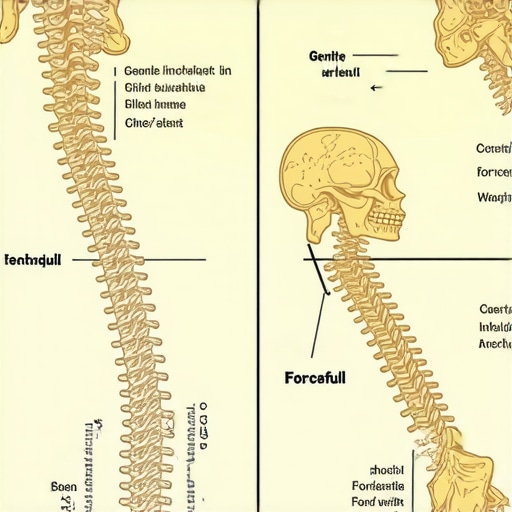
Many of us are unaware that how we hold our phones isn’t just a matter of comfort—it’s potentially reshaping our neck’s natural curve. I made the mistake early on of dismissing my posture as a minor issue, thinking I just needed to stretch more. But I learned that prolonged, improper phone gripping can cause the cervical spine to adapt in ways that lead to chronic pain and stiffness. It’s a tricky cycle: as we tilt our head forward to see the screen, the weight on our neck increases drastically. In fact, studies show that every degree of head tilt adds up to an additional 10 pounds of strain on the neck muscles (source: Quackers Spinal).
Is Your Phone Grip the Real Villain?
Initially, I thought the solution was all about stretching or strengthening my neck. But I overlooked a crucial factor: my grip and posture while using my device. Correcting my habit of dropping my head and holding my phone at eye level made a dramatic difference. If you’ve ever felt like no matter what stretches you do, your pain persists, it’s time to consider how you’re holding your phone and how it influences your entire spinal health. Curious? Let’s dive into some practical insights that can help you prevent or reverse these effects.
Now, are you ready to learn the specific habits that might be worsening your neck curve and how to correct them? Great! Because understanding the root cause is the first step toward relief and better mobility, which I personally can attest to. If you want to dig deeper into how posture impacts your overall spinal health, check out this guide.
Adjust Your Phone Holding Habits
Begin by consciously bringing your phone to eye level instead of looking down. This might mean stacking books or using a stand if necessary. I remember stacking a couple of boxes on my desk just to raise my phone, which initially looked odd but instantly reduced my neck strain. This simple change keeps your neck aligned and reduces tension buildup.
Use a Stable Support or Stand
Invest in a sturdy phone stand or propping device. During my first attempt, I used a makeshift stand with a pile of notebooks, which stabilized my phone and kept my neck in a neutral position. Consistent support prevents your head from tilting forward and helps maintain proper posture during prolonged use.
Implement Ergonomic Breaks and Movements
Every 20-30 minutes, take a moment to stand, stretch, and reset your posture. I set a timer for every half hour, and during those breaks, I practiced gentle neck rolls and shoulder shrugs. This routine prevents muscles from tightening and promotes blood flow, which is crucial for avoiding chronic stiffness.
Set Up Your Environment Properly
Mark your workspace to encourage correct posture: your monitor at eye level, chair supports lumbar curve, and feet flat on the ground. I adjusted my chair height and added a lumbar cushion, which felt awkward at first but vastly improved my spinal alignment. Ergonomic positioning is like calibrating a machine—precision here reduces strain downstream.
Strengthen and Stretch to Support Your Neck
Complement your posture adjustments with targeted exercises. Performing gentle neck stretches and strengthening your upper back muscles can make a significant difference. I incorporated a daily routine of chin tucks and shoulder blade squeezes, which cultivated better muscle support around my neck, reducing pain over time. These micro-movements act as the stabilizers of your new posture.
Practice Consistency and Mindfulness
Remember, habit formation takes time. I kept a small journal to track my posture and noticed gradual improvements. Mindfulness during device use—being aware of your head position—prevents slipping back into bad habits. Think of this as training your muscles and mind together for lasting change.
Consider Professional Guidance
If persistent pain continues despite your efforts, consulting a specialist can be invaluable. A chiropractor can address misalignments and reinforce your new habits. I visited a professional who showed me specific adjustments and exercises, which expedited my recovery. Sometimes, guided intervention makes all the difference in maintaining progress.
Applying these concrete steps has transformed the way I interact with my devices. Proper posture isn’t just about comfort—it’s about preserving your spinal health for the long haul. For more detailed strategies, exploring this comprehensive guide can provide further insights.

Many individuals approach chiropractic treatment with preconceived notions based on misconceptions or superficial information. While chiropractic care is a proven method for managing back and neck pain, misunderstanding its principles can lead to ineffective habits or even worsen existing issues. Let’s dig deeper into some of the nuances most people overlook and why trusting surface-level beliefs might hinder your progress.
Myth: Chiropractic Always Means Cracking Bones
A prevalent misconception is that chiropractors primarily perform quick, forceful adjustments to realign the spine. In reality, modern chiropractic techniques encompass gentle, precise, and low-force methods, especially for delicate areas. Over-reliance on brute force can cause unnecessary discomfort or injuries, so it’s essential to seek practitioners who tailor treatments to your specific needs. For advanced insights on effective chiropractic strategies, visit this resource.
Where Ignoring Mobility Might Backfire
Many assume that immobilization or complete rest helps heal back injuries. However, persistent immobility can lead to joint stiffness, muscle weakness, and longer recovery times. Incorporating controlled movement and targeted exercises can promote better healing. This nuanced approach often yields more sustainable results than just seeking quick fixes. Curious about how mobility impacts recovery? Check out this guide.
Could Your Approach to Neck Pain Be Flawed?
Many think that frequent neck adjustments are the key to relief. Yet, over-adjustment without addressing underlying habits, like poor ergonomics or muscle imbalances, can create a cycle of dependency. Instead, addressing root causes through posture correction and strengthening exercises leads to lasting relief. For a comprehensive look at managing neck pain holistically, explore this step-by-step guide.
It’s also important to recognize common pitfalls, such as rushing into aggressive treatments without proper assessment. Unnecessary adjustments or interventions can sometimes exacerbate issues, especially if underlying structural or functional problems are ignored. Always opt for a detailed evaluation and personalized plan. A good starting point is establishing a sustainable routine that balances movement, posture, and professional guidance. Remember, building habits based on accurate understanding is key to long-term wellness.
Have you ever fallen into this trap? Let me know in the comments. Ensuring you’re informed and cautious can make a significant difference in your recovery journey.
Keeping It Working: Tools I Recommend
Maintaining long-term spinal health and mobility requires more than just good habits; the right equipment and techniques can significantly enhance your progress. From ergonomic devices to targeted exercises, I personally rely on specific tools that have proven effective in my journey toward pain-free living.
An Adjustable Posture Corrector
I swear by a high-quality adjustable posture brace because it serves as a constant physical reminder to keep my shoulders back and neck aligned. Unlike generic braces, I select one with customizable straps and breathable material, ensuring comfort during prolonged wear. This device helps prevent slouching, especially during sedentary work, and supports spinal alignment effortlessly.
Smart Mobility Devices
Incorporating smart, tech-enabled mobility tools has revolutionized my routine. For example, a portable ultrasound massager allows me to target specific neck and back muscles, accelerating recovery and easing tension. I use models that connect to my smartphone app, offering guided routines and tracking progress. These tools keep my muscles engaged and help me sustain improvements over time.
Physiotherapy Exercise Equipment
Progress hinges on regular strengthening and stretching. My go-to items include resistance bands with adjustable tension for neck and upper back exercises, and a compact foam roller to release muscle tightness. If you follow a structured plan from a professional, these inexpensive but effective tools help me maintain mobility and prevent setbacks—an essential component for anyone serious about spinal health.
Digital Resources and Apps
Technology also extends to digital resources such as guided tutorials and mobility tracking apps. I personally use a dedicated app that provides daily routines tailored for back and neck health, ensuring consistency. These apps often integrate reminders and educational content, strengthening your understanding of proper posture and movement habits. Staying informed through reliable sources like this guide enhances your ability to maintain results long-term.
Where Do You Start with Maintenance Tools?
If you’re wondering how to sustain your improvements over time, I recommend beginning with a simple adjustable posture correction device combined with a mobility app. These tools are accessible and personalize your routine, making long-term adherence easier. Additionally, ensuring your environment is ergonomically optimized—like adjustable desks or monitor stands—can complement these tools effectively.
As I see this trend evolve, I foresee smarter, AI-integrated devices becoming more personalized, offering real-time feedback and adaptive exercises tailored to your unique needs. Embracing these innovations will likely make maintenance more intuitive and effective in the future.
How do I maintain back and neck health over time? Regularly update and calibrate your tools, stay consistent with targeted exercises, and consult professionals when needed. Remember, combining technology with expert guidance, like those found here, ensures sustainable results. My challenge for you today is to pick one new tool—perhaps a resistance band or activity tracker—and incorporate it into your daily routine to see tangible improvements.
< >
>
To maximize your maintenance efforts, consider integrating professional guidance with advanced tools. For instance, consulting a chiropractor can help tailor your tool selection for optimal results. Want to learn more about how to choose the right devices? Reach out through this contact page.
What I Wish I Knew When Starting My Journey with Spinal Health
One of the biggest realizations I had was that addressing symptoms alone isn’t enough. True transformation came when I understood the importance of consistency over quick fixes, especially in posture habits that seem minor but have long-term effects. I learned that small daily adjustments, like keeping my phone at eye level, compounded into significant relief over time.
Another lesson was discovering how much mental mindfulness impacts physical health. Paying attention to my body’s signals and staying present during routine movements made me more aware of bad habits and empowered me to correct them before pain escalated.
And finally, I realized that professional guidance, combined with personalized tools, accelerates healing. Trusting experts and integrating their advice with proper equipment—like ergonomic supports and mobility apps—created a sustainable routine that keeps my spine happy and healthy.
My Tools for Self-Care and Growth in Spinal Wellness
My go-to resources include the mastering back and neck pain guide, which provides practical exercises and posture strategies that I trust because of their grounding in professional expertise. Using resistance bands for strengthening, combined with a smart posture app, helps me stay accountable and track progress without guesswork.
Research-backed books on ergonomics and spinal health have expanded my understanding beyond superficial fixes. I consistently turn to these sources to stay motivated and informed, ensuring my routines evolve with new insights and technologies.
Let Your Healing Be a Voyage, Not Just a Fix
Now, it’s your turn to step into your spinal health journey with confidence. Remember, lasting relief from neck or back pain is a process built on mindful habits, reliable tools, and ongoing professional support. Embrace the small adjustments, celebrate your progress, and stay curious about learning new ways to support your wellness.
What’s one habit you’re willing to change today for a healthier neck and back? Share your thoughts below—I’d love to hear about your own journey toward mobility and pain-free living.