Why Stretching Your Traps Is Likely Making Your Neck Tension Linger
I remember the exact moment I realized something was off. After stretching my traps intensely every morning, my neck tension actually worsened. It felt like I was chasing relief that was just out of reach, each stretch leaving me more frustrated. That lightbulb moment made me question everything I thought I knew about tension and mobility. And let me tell you, the more I dug into it, the clearer it became—sometimes, the very things we do to fix problems can inadvertently make them worse.
**Why does stretching your traps often backfire?**
Understanding the Trap-Neck Connection
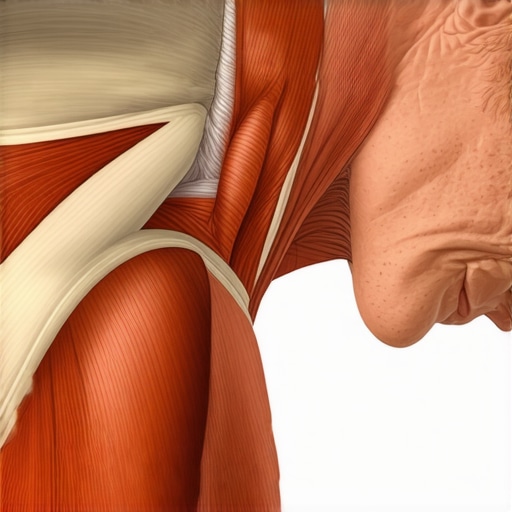
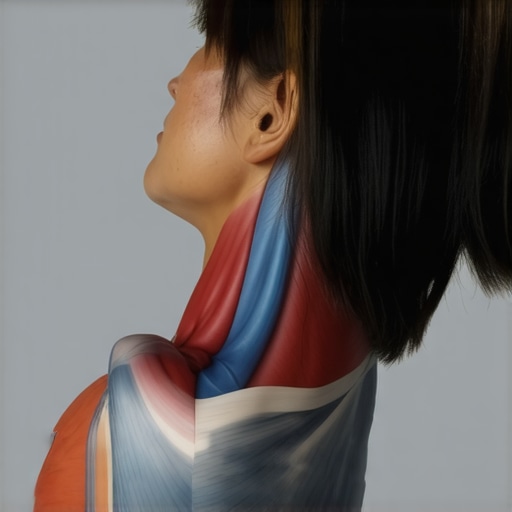
It turns out, your traps play a pivotal role in supporting neck movement and stability. When they’re overly tight or improperly released, they can cause a cascade of tension, leading to persistent neck discomfort. Interestingly, over-stretching them without understanding their function can aggravate this tension, locking you into a cycle of discomfort. As I soon discovered, treating neck pain isn’t about stretching more—it’s about stretching smarter.
**Have you ever felt that your efforts to loosen tight neck muscles only make your discomfort worse?** You’re not alone. I made this mistake early on, believing that more stretching meant more relief. But that misconception almost kept me stuck in a loop of frustration. Instead, I found that specific, targeted techniques—like proper chiropractic adjustments—are far more effective in releasing built-up tension.
For a deeper dive into the science behind these patterns and why common stretching methods might be causing harm, I recommend reading [this detailed guide](https://quackersspinal.com/unlocking-neck-pain-relief-expert-tips-for-lasting-comfort). It uncovers the true causes of neck and trap tension and offers practical solutions.
So, if you’ve been battling persistent neck tightness despite regular stretching, stay tuned. We’re about to explore some eye-opening shifts in approach that could finally set you free from ongoing discomfort.
Targeted Muscle Release
Start with understanding that your traps and neck muscles operate like interconnected gears in a machine. To move smoothly, these gears must be properly lubricated, not stuck with grit or tension. I remember a specific session where I used gentle pressure with a lacrosse ball on my upper traps, mimicking a mechanic’s precise tool to loosen seized gears. Applying firm, targeted pressure helped release deep tension, providing immediate relief and restoring some mobility.
Gentle Mobilization Exercises
After releasing tight muscles, engage in controlled movements to restore range of motion. Think of your neck as a hinge—gradually moving within comfortable limits prevents triggering further stiffness. I once incorporated slow, deliberate neck rotations and tilts into my routine, starting with no resistance and increasing gradually. This approach prevents overstretching and encourages joint lubrication, fostering better movement without pain or strain.
Incorporate Micro-Stretches
Instead of forceful stretching, opt for micro-stretches, which are like tiny nudges guiding your muscles back to their natural length. For example, gently tilting your head to either side and holding for five seconds can make a difference. I would perform this before bed, and over a few days, noticed a reduction in morning neck stiffness. These small, consistent actions prevent the muscle from tightening again and promote lasting flexibility.
Improve Posture Awareness
Much of neck tension stems from poor habits—think of your posture as the foundation of a building. Slouching or craning your neck forward puts additional strain on your muscles and joints. I made a conscious effort to keep my ears aligned with my shoulders during daily activities, using ergonomic adjustments and reminders. These small tweaks reduce ongoing tension, making muscles less prone to tightening up after movement.
Optimize Breathing and Relaxation
Nervous tension often causes neck muscles to tighten involuntarily—it’s like a sprinter tensing before a race. Deep, diaphragmatic breathing signals your nervous system to relax, releasing unnecessary muscle tension. I adopted a routine of slow, deep breaths, focusing on expanding my belly rather than shallow chest breathing. This simple method taxed my tension levels significantly, especially during stressful workdays, and improved my overall comfort.
Consistent Chiropractic Care
For persistent issues, integrating regular chiropractic adjustments can help reset misaligned vertebrae that contribute to tension. Think of it as recalibrating a machine to ensure all parts work seamlessly. I scheduled quarterly visits, which proved instrumental in maintaining my neck mobility and preventing further tightness. To learn more about how chiropractic care supports mobility, see this resource.
 Many believe that increasing flexibility through aggressive stretching is the key to resolving chronic neck and back pain. However, this common misconception can actually be counterproductive, especially when it overlooks the complex interplay of muscles, joints, and neural pathways involved in mobility. As an expert in spinal health, I’ve seen how simplistic solutions often fail because they ignore these nuances. For instance, clients frequently pursue intense stretching routines, assuming more is better, but end up exacerbating their discomfort due to overstretching healthy tissues or disrupting adaptive muscle tone. It’s crucial to understand that true mobility hinges on restoring balanced function, not just elongating muscles. Moreover, misconceptions about Chiropractic care as a quick fix can lead to disappointment; in reality, optimal results require targeted adjustments that address underlying misalignments and neural interference. Studies have shown that addressing specific joint restrictions and neural blockages can significantly improve mobility, as outlined in this in-depth resource. Don’t fall for the trap of one-size-fits-all approaches—every body has unique patterns of dysfunction. Before jumping to aggressive stretching or quick fixes, consider whether your strategy is truly addressing the cause rather than symptoms. Knowledge of advanced techniques, such as neuromuscular re-education and gentle mobilizations, can make a profound difference. Recognize that sometimes, the pain signals your body provides are warnings of deeper issues, which superficial treatments overlook. If you’re tired of ineffective routines, explore methods that respect your body’s natural biomechanics and neural pathways. Thinking critically about these nuances allows you to avoid common mistakes and progress toward lasting relief and enhanced mobility. Have you ever fallen into this trap? Let me know in the comments.Maintaining mobility and managing neck and back pain requires consistent effort and the right tools. Over the years, I’ve tested various devices and methods, and I can confidently say that investing in targeted equipment can make a significant difference in your ongoing progress. One of my favorite tools is the **thera band**, which provides adjustable resistance for gentle strengthening exercises. I personally use the thera band during my daily routines to activate and re-educate weakened muscles, ensuring they support my spine effectively. Its versatility allows me to perform controlled rotations and extensions, which are crucial for maintaining mobility over time.
Another device that has transformed my approach is the **massage ball**, specifically the Lacrosse ball. I use it to perform self-myofascial release on tight muscle groups like the traps and neck muscles. Regularly rolling these areas helps prevent the buildup of adhesions that can contribute to persistent tension. The key with self-massage tools is consistency; dedicating just five minutes daily to targeted releases can drastically reduce flare-ups.
For software, I rely on *biofeedback apps* that guide breathwork and relaxation techniques. Deep diaphragmatic breathing is essential for reducing nervous tension, which often aggravates muscle tightness. I use a simple app that prompts me to focus on slow, controlled breaths—something I do multiple times a day, especially during stressful moments.
Looking ahead, I predict that wearable technology will play an increasingly prominent role in long-term mobility maintenance. Smart posture trackers and biofeedback wearables can alert you in real-time when you’re slouching or overloading certain muscles, enabling immediate correction before discomfort develops.
**How do I maintain mobility and manage pain effectively over time?** Consistency is key, and integrating these tools into your routine ensures sustained progress. Incorporating targeted resistance bands and self-massage balls helps reinforce correct movement patterns and prevents muscle guarding. Additionally, using relaxation apps fosters a mental state conducive to muscular release, which is often overlooked but equally important.
For those interested in a comprehensive approach, I recommend exploring the techniques outlined in [this guide on effective neck and back pain management](https://quackersspinal.com/effective-neck-pain-management-a-step-by-step-guide). And to give your routine a real boost, try using a resistance band with controlled, deliberate movements—it’s a simple yet powerful way to reinforce mobility gains.
Interested in taking your routine further? Consider adding a self-myofascial release session with your massage ball today, targeting your upper traps and neck muscles for better long-term relief and mobility.Through my journey exploring neck pain and mobility, I learned that the most effective solutions often come from questioning conventional wisdom. One of the hardest lessons was realizing that aggressive stretching can sometimes do more harm than good, especially when we overlook the interconnected nature of muscles and neural pathways. Embracing targeted, gentle techniques and understanding our unique bodily patterns allowed me to break free from persistent discomfort. Remember, lasting relief isn’t about pushing harder—it’s about working smarter, respecting your body’s signals, and seeking personalized approaches rooted in expertise. The real breakthrough came when I prioritized neural and structural balance over superficial stretches, highlighting the importance of professional guidance and tailored routines. Trust your experience, stay curious, and don’t be afraid to challenge the status quo for genuine progress.