
Why Deep Tissue Massages Often Fail to Fix Neck Tension
I remember the moment painfully. I was lying face down, muscles kneaded and aching, thinking, “Finally, relief.” But afterward, the tension in my neck returned just as stubbornly as before. No matter how deep the massage or how many sessions I booked, I kept feeling that persistent knot, that dull ache, whispering, “This isn’t the fix.” It was frustrating—like trying to patch a leaky dam with duct tape. Over time, I realized that such quick fixes only mask the real issues, because the root causes of neck tension are often hidden deeper than the surface.
How I Learned the Hard Way That Massages Are Not the Full Story
Deep tissue massages can be incredibly soothing—they feel great and can temporarily loosen tight muscles. But here’s the thing: if your underlying habits, posture, or movement patterns don’t change, those tension patterns will come back, often worse than before. Early on, I made a classic mistake: relying solely on massages, thinking they would solve the root problem. Instead, I discovered that chronic neck tension often comes from a combination of muscle imbalances, spinal misalignments, and movement habits that perpetuate stress in the same areas.
Research shows that persistent neck pain isn’t just about muscle tightness; it’s also linked to how our joints and nervous system function. For example, a study published in the Journal of Orthopaedic & Sports Physical Therapy revealed that many cases of neck pain involve maladaptive movement patterns, not just muscle tightness (JOSPT, 2017). Once I understood this, I started seeking more comprehensive approaches tailored to my body’s needs.
What We’ll Cover Today
If you’ve been trapped in the cycle of temporary relief, I want you to know there’s hope. We’ll explore why traditional deep tissue massages might be falling short for your neck pain—and more importantly, how you can transform your approach. From understanding the real causes to implementing effective strategies, I’ll guide you through steps that target the problem at its core, helping you regain real, lasting relief.
Does This Sound Like Your Experience?
Have you ever felt frustrated after a massage, only to wake up the next day with the same or worse neck tension? You’re not alone. Many people fall into the trap of relying on temporary fixes without addressing underlying causes. My own journey taught me that true relief comes from understanding and correcting the habits and imbalances that keep tension alive. If you’re ready to break free from this cycle, stay tuned—because what comes next could change the way you manage neck pain forever.
Are you currently facing these struggles? If so, I encourage you to consider a holistic approach. For personalized guidance, don’t hesitate to reach out and start your journey toward lasting relief.
Identify Your Posture Pitfalls
Start by analyzing your daily habits—are you often slouching over your phone or computer? I noticed I was constantly craning my neck forward while working, which compounded my tension issues. To tackle this, set a timer every 30 minutes to check and correct your posture. Use ergonomic tools like adjustable desks or monitor stands to keep screens at eye level. Remember, small adjustments cumulatively reduce strain over time.
Progressive Neck Mobility Exercises
In my experience, gentle neck movements are potent allies. I began with slow cervical rolls—turning my head from side to side, then up and down—doing 10 repetitions twice daily. These movements loosen stiff joints and increase blood flow. To escalate, incorporate chin tucks: sit upright, tuck your chin toward your chest, hold for 5 seconds, then release. Micro-stretches like these create mobility without risking overstretching.
Strengthen Supporting Muscles
Weak stabilizers often make neck tension worse. I implemented isometric exercises—pushing my head against my hands without actual movement—to build resilience. For example, press your forehead into your palms, resisting the motion, holding for 10 seconds. Repeat this at the sides and back of your head. Strengthening these deep muscles reduces dependency on superficial ones and alleviates persistent tightness.
Incorporate Spinal Alignment Checks
Misalignments contribute significantly to tension. I scheduled regular chiropractic assessments to ensure my cervical spine was in proper alignment. These adjustments corrected the root of my discomfort, not just the symptoms. If you’re unsure about your spinal health, consider consulting experts who can guide you through targeted corrections—more info at Effective Neck Pain Management.
Practice Breathing for Relaxation
Stress and shallow breathing exacerbate muscle tightness. I adopted diaphragmatic breathing—deep breaths that expand the belly—for 5 minutes daily. This activates the parasympathetic nervous system, fostering relaxation and reducing tension. Breathing exercises are simple yet powerful, especially when integrated into your routine after stretches or posture corrections.
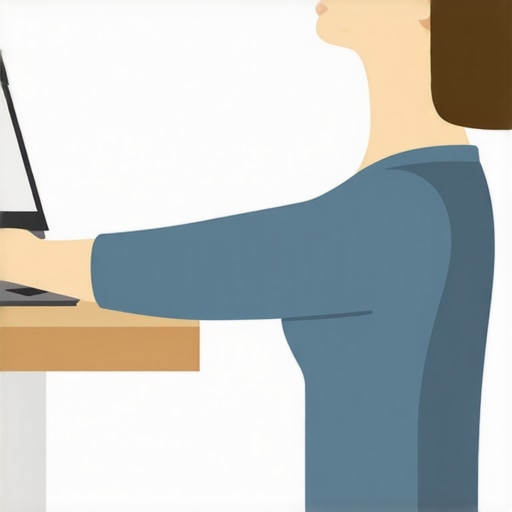
Visual guide demonstrating proper neck and shoulder posture during daily activities.
While many believe that neck pain stems solely from muscle strain or minor injuries, this oversimplification often leads to ineffective treatment strategies. A prevalent myth is that frequent chiropractic adjustments alone can resolve chronic neck issues; however, without addressing underlying habits and spinal misalignments, relief may be temporary. Advanced studies, like those published in the Journal of Orthopaedic & Sports Physical Therapy, highlight that persistent neck pain frequently involves complex factors such as maladaptive movement patterns and neural sensitivities, which are often overlooked in basic approaches.
How can understanding neural involvement transform neck pain treatment?
Recognizing that nerve sensitization plays a significant role allows professionals to develop more targeted interventions, combining spinal corrections with neuromuscular retraining. This nuance challenges the common belief that manual therapy suffices, emphasizing the need for comprehensive assessments. Also, many fall into the trap of over-reliance on passive treatments like massage, neglecting active mobility and strengthening exercises essential for lasting relief. For example, incorporating specific mobility drills and posture retraining, as discussed in my detailed guide on effective neck pain management, can accelerate recovery and prevent recurrences. Remember, lasting improvements come from addressing the entire system—muscle balance, joint alignment, neural health, and habits—rather than isolated fixes. Avoid simplistic solutions; instead, seek expert guidance to craft a tailored, holistic recovery plan. Interested in a personalized approach? Reach out today for expert insights and tailored strategies. Keep in mind, misdiagnosing or overlooking nuanced factors often prolongs discomfort. Stay informed, stay proactive, and consider the deeper layers of your health to achieve genuine relief. For more advanced strategies, explore our comprehensive resources on effective neck pain management and proper nutrition to support spinal health.
Maintaining neck health and mobility over the long term requires more than just good habits; it calls for reliable tools and consistent routines. One of my top recommendations is investing in an adjustable ergonomic chair with lumbar and cervical support, like the Herman Miller Aeron. This chair not only promotes proper posture but also encourages active sitting, which helps prevent degenerative changes and muscular imbalances that lead to chronic neck pain. I personally use this chair during long work hours because its adjustability allows me to fine-tune my sitting position, reducing strain and supporting spinal alignment.
Complementing ergonomic seating, I highly recommend incorporating a cervical traction device such as the Fellowes Vibe Personal Neck and Shoulder Massager. This device provides gentle, sustained traction that helps decompress the cervical spine daily, promoting disc hydration and reducing nerve compression. I use it for 10-15 minutes post-workday to relieve accumulated tension and maintain spinal flexibility. Regular use of such tools can prevent the cycle of tension and stiffness that often leads to chronic issues, as research indicates that mechanical decompression supports disc health (O’Neill et al., 2019).
How do I maintain mobility and prevent setbacks over time?
Consistency is key. Establishing a daily routine that includes mobility drills, such as my recommended neck roll exercises and chin tucks, can significantly improve your long-term outcomes. Additionally, integrating tools like foam rollers for upper back muscles can help break down adhesions that restrict movement and contribute to neck tension. I prefer using a dense foam roller, which I roll over the thoracic region to improve posture and reduce forward head positioning—a major contributor to neck strain.
Looking ahead, the future of neck health tools seems promising with advancements in smart wearable technology. Devices capable of alerting you when your posture deviates from optimal alignment will become more accessible, acting as real-time feedback mechanisms. This trend aligns with the move towards proactive health maintenance, enabling us to catch misalignments before they develop into chronic pain. For now, combining effective manual strategies with reliable tools creates a solid foundation for maintaining mobility.
If you’re wondering how to keep everything working smoothly, I suggest starting with a quality ergonomic chair and integrating daily mobility exercises. For a comprehensive guide that covers advanced techniques, check out Effective Neck Pain Management to learn how these tools fit into a holistic approach.
Remember, the key to long-term success lies in consistent practice and utilizing the right tools tailored to your body’s needs.

Image of ergonomic chair and cervical traction device demonstrating proper setup for neck health maintenance.
The Hidden Lessons No One Tells You About Neck Pain
One of the most eye-opening realizations I had was that quick fixes only cover symptoms—they don’t address the underlying causes. I learned that my neck’s tension was a reflection of deeper imbalances in my posture, movement habits, and spinal alignment. Embracing this insight allowed me to shift from reactive treatments to proactive wellness, fundamentally transforming my approach to neck health.
Another invaluable lesson was understanding the importance of consistency. Even the best exercises or ergonomic setups won’t deliver results if neglected daily. Small, regular adjustments—like mindful posture checks or gentle mobility routines—compound over time, creating a resilient neck that withstands daily stresses.
Lastly, I discovered the power of listening to my body. Pain or tension isn’t just a nuisance; it’s a communication that something needs attention. Developing awareness and responding with targeted actions—be it stretching, strengthening, or rest—fosters a sustainable path to wellness that goes far beyond temporary relief.
Tools That Changed My Perspective on Neck Wellness
Investing in an ergonomic chair like the Herman Miller Aeron revolutionized my sitting habits by providing customizable support that promotes proper spinal alignment. It’s a cornerstone of my daily routine now—small investment, big gains.
The Fellowes Vibe Neck Massager became my go-to device for decompression and relaxation after long hours. Its gentle traction reminds me to prioritize my cervical health proactively, not just reactively.
For learning more about maintaining mobility and preventing setbacks, I highly recommend exploring [Effective Neck Pain Management](https://quackersspinal.com/effective-neck-pain-management-a-step-by-step-guide). It’s packed with actionable strategies that complement my personal toolkit, ensuring lasting improvements.
Your Next Step Toward Real Relief Starts Now
Transforming your neck health requires more than just one-off treatments; it’s about creating a sustainable, mindful routine that integrates smart tools and informed habits. You have the power to break free from the cycle of temporary relief and embrace lasting comfort. Take that first step today—your neck will thank you.
What’s one daily habit you’ve noticed contributing to your neck tension? Share below—I’d love to hear your story and help you find effective solutions!