How to tell if your dizziness is coming from your neck
I remember the exact moment I realized my frequent dizziness wasn’t just a random thing—it was tied to my neck. I was mid-commute, feeling a familiar wave of lightheadedness washing over me, and it hit me: could my neck pain and that spinning sensation be connected? It was a lightbulb moment that changed how I approach these health mysteries. For years, I thought dizziness was mostly about inner ear issues or blood pressure, but uncomfortably often, my neck was the culprit behind those dizzy spells. If you’ve been cycling through diagnoses without clear answers, you’re not alone—and there’s good news.
Today, we’re going to get to the bottom of how to tell if your dizziness stems from your neck and, more importantly, what you can do about it. Understanding the connection isn’t just about curiosity—it’s about regaining control over your health and avoiding unnecessary treatments. My goal is to help you spot the signs early and avoid common pitfalls that might delay your recovery.
Identifying Neck-Related Dizziness
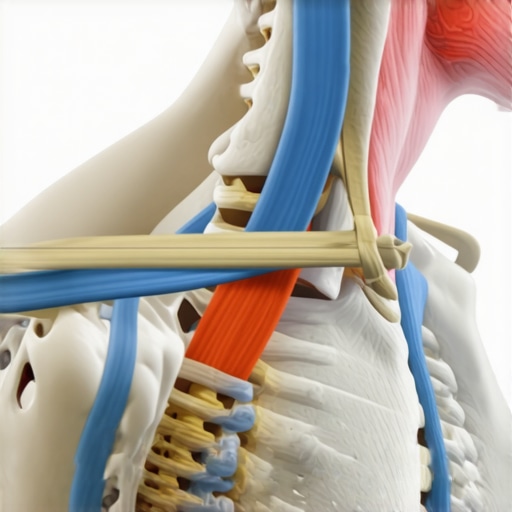
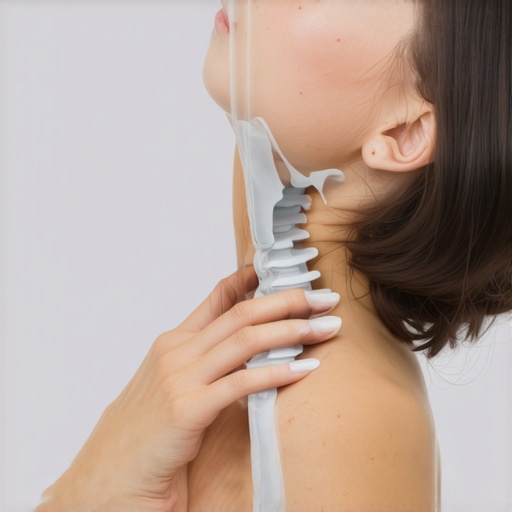
Many people dismiss dizziness as something that comes from the inner ear or blood flow, but your neck’s health plays an often-overlooked role. The cervical spine—your neck—houses nerves and blood vessels that directly influence your balance and spatial awareness. When these structures are compromised due to poor posture, injury, or chronic tension, dizziness can be a side effect. Recognizing the signs that your neck might be to blame is crucial. Do you notice dizziness when turning your head sharply? Or perhaps after long hours at your desk or sleep positions that strain your neck? These are red flags worth paying attention to.
Early missteps can make things worse. I used to ignore minor neck discomfort, thinking it was just a stiff muscle, only to find that neglecting it worsened my symptoms. That mistake delayed my understanding of the true cause of my dizziness. Learning to differentiate between benign causes and those rooted in cervical health is essential. For more in-depth insights, exploring topics like posture and mobility can give you a broader picture of how spinal health impacts overall well-being.
Supporting this, a 2020 study found that cervical spine issues are significantly associated with dizziness and vertigo, emphasizing the importance of cervical health assessments in persistent cases—not just inner ear examinations. Recognizing the link is the first step toward targeted relief.
In our next section, we’ll look at the common mistakes that might hide the true source of your dizziness and how to avoid them. Have you ever experienced dizziness that seems to come out of nowhere, only to realize later it was connected to your neck? Share your experiences—I’d love to hear your story as we navigate this together.
Start with Gentle Neck Mobilizations
My first step was to gently move my neck through its full range of motion, much like loosening a stiff hinge. I paused at each position to feel for any resistance or discomfort, taking care not to push too hard. This approach helps assess existing mobility and prepares the tissues for deeper work. I used techniques described in expert-recommended mobilizations.
Implement Specific Stretching Exercises
Next, I incorporated targeted stretches to release tension in the neck and upper shoulders. For example, the suboccipital release involved lying down and placing tennis balls under my neck, gently applying pressure to relax tight muscles. I found this worked best after a warm shower, similar to how professionals recommend professional techniques. Consistency made a noticeable difference over a few weeks.
Focus on Posture Alignment During Daily Tasks
Maintaining proper posture is vital. I adjusted my workspace by ensuring my computer monitor was at eye level, preventing me from craning my neck. As I improved my desk setup, I adopted ergonomic principles from resources like ergonomic tips. This minimized strain during prolonged sitting, reducing the triggers for dizziness.
Incorporate Regular Chiropractic Checks
Seeing a chiropractor became essential. I scheduled adjustments to correct minor misalignments that could irritate nerves or blood vessels in my neck. During sessions, I learned techniques similar to restoration strategies. These adjustments improved my neck’s stability and deepened my understanding of my body’s needs.
Adopt Self-Care and Preventive Habits
I adopted habits like taking short breaks from sitting, doing neck stretches every hour, and practicing deep breathing. Using a foam roller on my upper back helped improve overall spinal mobility, as detailed in foam rolling techniques. These small but consistent actions prevented further tension buildup and kept dizziness at bay.
Monitor and Adjust Based on Feedback
Finally, I paid close attention to how my neck responded after each activity. Keeping a journal allowed me to identify patterns, such as certain head positions that worsened symptoms. This feedback loop guided my adjustments, ensuring my approach remained personalized and effective. If persistent issues arise, consulting specialists via professional guidance can help refine your strategy.
 Many people believe that mobility exercises, chiropractic adjustments, and managing neck or back pain are straightforward processes, but the reality is much more nuanced. A common misconception is that cracking your neck or back will lead to long-term relief; however, experts warn that aggressive or repeated manipulation without addressing underlying issues can lead to instability or even nerve irritation. The idea that pain is solely a mechanical problem often blinds us to neurophysiological factors, such as how inflammation or central nervous system sensitization play a role, as detailed in recent research. Believing that mobility exercises must always be high-intensity can also be a trap; gentle, controlled movements tailored to your specific limitations often yield better results and reduce risk.
Why do so many fall for these myths? Partly because quick fixes are appealing, and misinformation spreads easily through social media and casual advice. Remember, top chiropractors emphasize the importance of personalized approaches — not one-size-fits-all routines.
An advanced nuance often overlooked is the body’s proprioceptive system—your sense of joint position—which is vital for effective mobility training. When this system is impaired, simply stretching or mobilizing without enhancing proprioception can be ineffective or even counterproductive. For example, static stretching might temporarily increase flexibility but won’t improve functional movement if proprioceptive feedback isn’t also trained.
Be cautious of the “more is better” mindset. Overdoing mobility drills or adjustments can lead to joint hypermobility or inflammation, making the problem worse. The key is consistency, precision, and understanding your unique neuro-musculoskeletal landscape. For a comprehensive look at restoring natural movement, consider exploring expert-led strategies.
Have you ever fallen into this trap of thinking more is always better? Let me know in the comments. Remember, effective spinal health management is about quality, not quantity, and understanding the intricate nuances makes all the difference in long-term relief.Maintaining your spinal health requires not only effective techniques but also the right tools that stand the test of time. Personally, I swear by a high-quality foam roller, specifically the Duoball foam roller because it provides precisely targeted pressure that helps ease my persistent upper back tension. I use it after long workdays, applying slow, controlled rolls to keep my tissues supple and prevent stiffness. Additionally, investing in a good posture correction device like the ergonomic neck support pillow has allowed me to maintain proper alignment while sleeping, reducing nightly strain that can accumulate over time.
Incorporating digital tools can also offer long-term benefits. I rely on apps like PEAR Physical Therapy for guided stretches and mobility routines that adapt to my progress, making it easier to stick with consistent habits. Technology like this is predicted to become even more intuitive, utilizing AI to customize plans uniquely suited to your neuro-musculoskeletal profile, as discussed in recent latest research.
To ensure your tools serve you well over time, routine maintenance is key. For example, foam rollers should be cleaned regularly with a gentle disinfectant, and replacing them every 6-12 months prevents deterioration that could harm your tissues. Similarly, adjusting your posture aids—like repositioning your monitor or augmenting your ergonomic setup—should be part of a monthly review to adapt to any biomechanical changes.
Looking forward, I believe the trend will shift toward more integrative systems that combine physical tools with biofeedback technology, offering real-time insights into muscle tension and joint function. This convergence could allow for ultra-personalized, proactive care, helping you stay ahead of pain before it even starts.
Question: How do I maintain my mobility tools and routines to keep them effective over years of use? Regularly inspect your equipment for wear and tear—replacing or upgrading when necessary—and stay committed to your daily mobility practices. A simple but powerful tip is to schedule monthly check-ins, assessing what’s working and what needs adjusting. For instance, if your foam roller feels less effective, it might be time for a new one. Or if your app routines lose their impact, consult a specialist via professional guidance to refine your approach.
Don’t underestimate the importance of consistency—think of your tools as investments in your long-term health. By caring for them meticulously and adapting your routines, you’ll enhance their longevity and maximize their benefits. Try one of these advanced maintenance tips today, and experience how a proactive stance toward your mobility tools can make a real difference in your ongoing pain management journey. Remember, small actions today set the foundation for lasting relief tomorrow.
The Hardest Lesson I Learned About Neck Pain and Mobility
One of the most profound insights I discovered was that persistent neck pain often requires patience and tailored care. Rushing into aggressive treatments without understanding my body’s unique responses only prolonged my discomfort. Embracing gentle mobilizations and listening to my body’s feedback became essential for genuine healing.
How Ignoring Subtle Signs Can Stall Progress
I used to dismiss minor neck stiffness after long hours at my desk, thinking it was inconsequential. Later, I realized those small signals were early warnings that, if ignored, could escalate into chronic issues. Recognizing and addressing these subtle signs early can be the difference between temporary relief and long-term freedom from dizziness and tension.
Why Personalization Matters More Than Popular Trends
While many follow generic routines or quick-fix methods, my journey taught me that personalized strategies—like specific stretches, posture corrections, and regular chiropractic assessments—produce more reliable results. Trusting expert guidance tailored to your body’s needs accelerates recovery and prevents setbacks.
Curated Gems for Your Neck and Back Journey
- Understanding Back and Neck Pain: A comprehensive guide available here. It helped me grasp the neuro-musculoskeletal intricacies and design effective routines.
- Foam Rolling for Mid-Back Relief: My go-to tool is the Duoball foam roller. Its targeted pressure offers quick tension release and maintains tissue flexibility.
- Posture Support Devices: Investing in an ergonomic neck pillow transformed my sleep quality. For reviews and options, I recommend checking this resource.
Step Into Your Power: Your Next Move Starts Now
Remember, actionable change begins with small, consistent steps. Embrace gentle mobility practices, seek personalized assessments, and prioritize your neuro-musculoskeletal health. Your journey to pain-free neck and back movement is uniquely yours—start today, and rediscover what it feels like to move with confidence and ease.