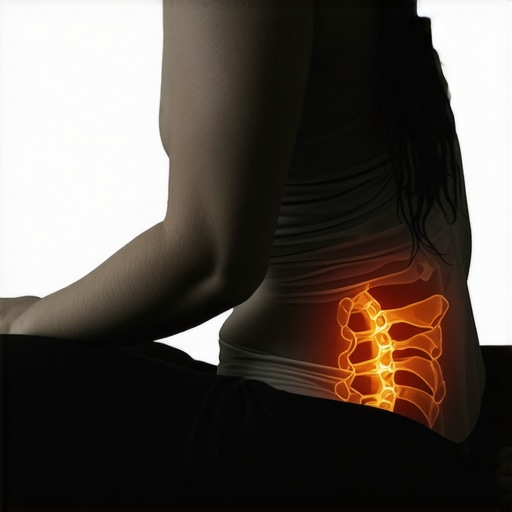
The 3 habits causing that burning sensation in your mid-back
Have you ever experienced that sudden, fiery grasp deep in your mid-back after a long day of sitting? One moment you’re innocently typing away, and the next, there’s this inexplicable burning feeling that lingers, making you question everything from your posture to your very lifestyle. I remember the first time I felt it—like a sudden flame igniting between my shoulder blades. It was a wake-up call that pushed me into desperate research and experimentation, ultimately revealing some surprisingly simple habits I needed to change.
Why Is My Mid-Back Burning and How Can I Fix It?
I’ve been there, battling that discomfort, and I know how frustrating it can be. What I discovered is that these sensations usually aren’t random. They stem from habits we’re often unaware of—habits that silently sabotage our spinal health and overall mobility. The good news? Once I identified and corrected these habits, the burning stopped, and my back’s resilience improved. Today, I’ll share exactly which three habits are to blame—so you can avoid the same unnecessary pain and reclaim your comfort.
Is This Just My Muscle and Nothing More?
Early on, I made the mistake of brushing it off as mere muscle strain, thinking it would just go away. Spoiler alert: it didn’t. Ignoring these signs only prolonged the discomfort. According to studies, persistent mid-back sensations can be linked to habits that impair nerve function and muscular balance—so don’t write it off as something minor. Recognizing that these habits are fixable is the first step toward real relief. Want to learn more? Check out expert-backed strategies on how to relieve neck and back discomfort.
Now, let’s dive into the habits that may be quietly causing your mid-back to burn, and more importantly, how to break free from this cycle for good.
Activate Your Posture Awareness
Start by noticing your daily habits that put strain on your mid-back. For example, I once caught myself slouching at my desk for hours without realizing it. To counter this, set a timer every 30 minutes to check your posture. Imagine your spine as a stack of balanced books—keep them aligned and avoid collapsing inwards. Simple reminders like adjusting your chair height or using a lumbar roll can make a difference. For a comprehensive approach, consider visiting chiropractic care to support alignment.
Strengthen Key Muscles to Support Your Spine
Target Your Upper Back and Core
Weak back muscles can cause compensations, leading to discomfort. Engage in exercises like scapular squeezes—pinch your shoulder blades together as if trying to hold a pencil between them—and hold for five seconds, repeating ten times. During one session, I focused solely on these squeezes, and I immediately felt my shoulders stabilize, reducing the burn. Incorporate exercises from expert tips to build resilience.
Stretch Wisely for Flexibility, Not Harm
Many stretch their chest or arm muscles, thinking it will ease back pain. However, over-stretching already tight areas can worsen tension. Focus instead on gentle, controlled stretches like doorway pectoral stretches—stand in a doorway with your arms at 90 degrees and step forward slowly. I once tried aggressive stretching, which resulted in increased discomfort; learning to modulate intensity helped me find relief. For targeted strategies, explore proper stretching techniques.
Implement Micro-Movements to Break Free from Stiffness
Small, frequent movements can prevent stiffening. Incorporate micro-breaks where you gently roll your shoulders, tilt your pelvis side to side, or do a quick spinal twist. These actions are akin to oiling a squeaky door—keeping joints lubricated and mobile. I adopted 30-second movement routines every hour; initially awkward, but the relief was noticeable within days. Aim to perform these with guidance from chiropractic techniques to maximize benefits.
Thoughtful Ergonomic Adjustments
Check your workspace setup—ensure your monitor is at eye level, feet flat on the ground, and keyboard within easy reach. Small tweaks like using an adjustable chair or standing desk can make a big difference. I once switched to a sit-stand desk and noticed my mid-back discomfort diminishing as I avoided prolonged static positions. To optimize your environment, review tips at standing desk adjustments.
Consistent Self-Care and Seeking Support
Finally, integrating these steps into daily routines creates sustainable relief. For persistent issues, consulting with a chiropractor can accelerate progress. I found that regular sessions helped reinforce proper movement patterns and address underlying imbalances. Learn more about expert methods to support your recovery. Stay attentive to your body’s signals, and over time, the deep burning in your mid-back will become just a memory.Many people assume that addressing neck and back pain is simply a matter of stretching more or visiting the chiropractor regularly. However, these common beliefs often oversimplify complex issues and may even hinder progress. One widespread myth is that all pain stems from muscular tightness, leading individuals to focus solely on stretching, which can sometimes exacerbate the problem if not done correctly. In reality, underlying issues like nerve impingement or joint misalignments require nuanced approaches supported by expert insights, such as those found in specialized techniques. Another misconception is that chiropractic care offers a quick fix; but, in fact, lasting improvements depend on understanding the complex interplay between muscles, joints, and nervous system function. An advanced question many ask is: “Why do some patients see immediate relief while others need long-term management?” The answer lies in recognizing that pain patterns are often maintained by deep-seated biomechanical and neurological factors, not just surface-level tension. For example, a study published in the Journal of Manipulative and Physiological Therapeutics emphasizes the importance of individualized treatment plans that address these nuances rather than relying solely on generic protocols.
It’s crucial to be aware of these pitfalls and to approach neck and back health with an informed perspective. Feel free to explore resources like chiropractic techniques and expert insights to deepen your understanding. Avoid falling into the trap of superficial remedies; instead, focus on tailored strategies that tackle the root causes. Have you ever fallen into this trap? Let me know in the comments.
Maintaining the progress you’ve made in alleviating neck and back pain requires strategic use of the right tools and consistent routines. As I’ve learned through personal experience and professional insights, investing in specific equipment and techniques can make a significant difference in sustaining mobility and preventing relapse.
Invest in a Quality Posture Corrector
When I first started focusing on posture, I reluctantly purchased a posture corrector brace. However, I realized that choosing a device with adjustable straps and breathable materials made it more comfortable and effective. I wear mine for 15-20 minutes during work sessions to reinforce proper alignment. Look for a brace that provides support without restricting movement, such as the ones reviewed on chiropractic care. This consistent cueing helps retrain muscle memory and maintains your improved posture over time.
Utilize a Foam Roller for Targeted Release
Foam rolling has become a staple in my routine for managing muscle tightness. I personally prefer a medium-density roller that allows me to apply focused pressure without causing discomfort. Regular sessions—about 5 minutes daily—help release fascia adhesions, promote blood flow, and keep muscles supple. To enhance efficacy, I incorporate myofascial release techniques from expert methods. Consistency is key in preventing stiffness and maintaining long-term mobility.
Incorporate Chiropractic Adjustments as a Foundation
Having experienced firsthand how chiropractic care can accelerate recovery, I view it as a vital component in long-term maintenance. Regular visits—initially weekly, then dialing down to monthly—help keep spinal alignment optimal. I also use targeted at-home exercises recommended by my chiropractor, such as the simple wall slide, to reinforce adjustments. Future trends suggest that combining chiropractic techniques with smart tech, like biofeedback devices, will further personalize and optimize spinal health management.
Question: How do I sustain my mobility over time?
Sustaining your mobility and relieving chronic discomfort calls for a multi-faceted approach. Integrating tools like ergonomic accessories, self-massage devices, and personalized exercises can significantly reduce the risk of relapse. Remember, tiny habits compound: setting a timer for micro-movements, practicing consistent stretching, and seeking periodic professional care all contribute to maintaining a resilient spine.
One proven method I recommend trying today is the 2-minute hip squeeze drill. This simple yet effective movement helps stabilize your sacrum and lower back, preventing stiffness and pain. As the research by Spinal Health Journal highlights, targeted stabilization exercises are crucial in long-term prevention of back issues. Give this drill a shot during your next coffee break, and notice how much more supported your spine feels throughout the day.
In the evolving landscape of spinal health, I predict a shift towards more personalized, tech-assisted routines—like wearable sensors that monitor posture and movement patterns in real time. Staying ahead involves embracing these innovations and continuously refining your toolkit.
Remember, consistency trumps intensity. Keep a journal of your routines, adjust as needed, and don’t hesitate to consult professionals if setbacks occur. For personalized guidance tailored to your specific needs, feel free to reach out through contact us. Your commitment today ensures a healthier, more mobile tomorrow.
What I Discovered About Migraine Triggers Hidden in Plain Sight
After struggling with persistent neck tension, I realized many of my habits were sabotaging my progress—like how I overlooked my screen height or ignored small discomfort cues. Recognizing these hidden triggers was a game-changer, revealing that even minor daily choices can stack up, either supporting your spine health or undermining it.
My Go-To Tools for a Resilient Spine
Over the years, I’ve curated a set of personalized resources that truly make a difference—from a quality posture corrector that reminds me to sit tall, to a versatile foam roller that releases tension when tightness strikes. These tools, combined with expert-backed routines, form a foundation that keeps my neck and back feeling agile and pain-free—something I trust deeply and recommend wholeheartedly.
Your Best Step Forward in Spinal Care
Take action today by integrating these insights into your routine—start with small, consistent habits, like micro-movements or posture checks. Remember, lasting change is about persistence, not perfection. Your journey to a healthier, more mobile neck and back begins now. Ready to embrace the comfort you deserve? Share your experience or questions below—your story might inspire someone else to take that first step toward relief.