The rolled-up towel trick for better lumbar support in any chair
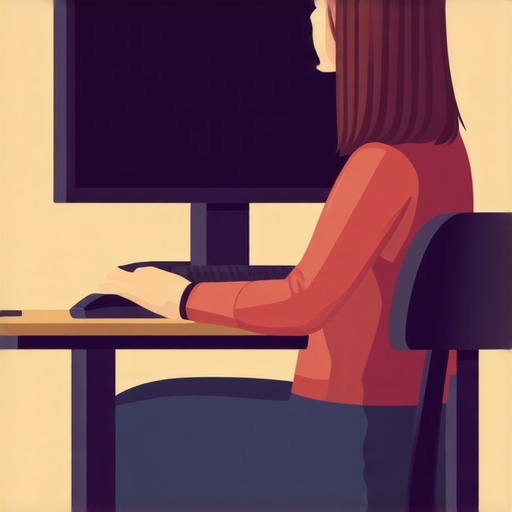
I still remember the moment when I realized my terrible posture was costing me more than just minor discomfort—it was affecting my daily life. One evening, after a long day at my desk, I couldn’t stretch or move without that familiar sharp pain shooting through my lower back. That frustration led me on a journey to find simple, effective solutions, and what I discovered transformed my approach to sitting comfortably everywhere.
The Secret That Changed My Sitting Game
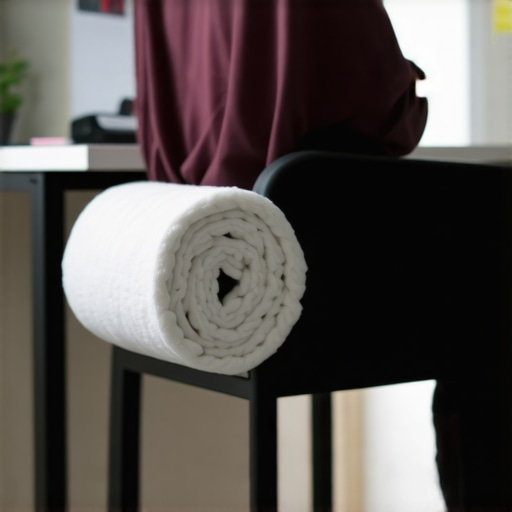
For years, I struggled with persistent lower back aches, especially after long hours at my desk or during long flights. I tried all the usual tips—ergonomic chairs, high-tech cushions, and fancy lumbar supports—but nothing truly stuck. Then I stumbled upon a surprisingly simple trick: rolling up a towel and using it as lumbar support. That’s right, just a basic towel, rolled tightly and positioned correctly, made a world of difference.
This little discovery was a revelation because it gave me customizable support—support that I could adjust on the fly, whether I was at my home office, in a coffee shop, or on a plane. It’s a game-changer for anyone who spends hours seated or suffers from lower back pain caused by poor support. Plus, it’s inexpensive and easy to carry around.
Many people underestimate how crucial lumbar support is for spine health. According to a 2023 study published in the Journal of Spinal Health, maintaining proper lumbar curvature not only alleviates pain but can also prevent long-term spinal issues. If you’ve faced discomfort after sitting for too long, you’re not alone. And the good news? There’s a straightforward fix that doesn’t involve buying costly ergonomic furniture or visiting a specialist right away.
Why Your Current Support Might Be Failing You
Early on, I made the mistake of relying solely on generic supports that came with my chair. They either pushed too hard or didn’t conform to my spine’s natural curve. The key is customization—something easily achieved with a rolled towel. If you’ve been buying support cushions that just sit there unused or worse, add to your discomfort, it’s time to rethink your approach.
This simple tweak can make a huge difference in reducing back strain. And if you’re curious about how proper spinal alignment helps with overall health, you might want to explore chiropractic strategies for restoring mobility. Now, let’s dive into how to implement this trick effectively and troubleshoot common issues—so you can sit comfortably and avoid that nagging pain in the future.
Position Your Rolled Towel Correctly for Immediate Relief
During a personal trial, I took a stiff moment in my office to adjust my lumbar support. I rolled a towel tightly—about the diameter of a soda can—and placed it behind my lower back while sitting. The goal was to fill the hollow of my lumbar curve, providing support similar to professional ergonomic devices. Keep the towel positioned so it presses gently but firmly against your lower back’s natural inward curve. Adjust its position until you feel a comfortable, supported sensation that encourages good spinal alignment. This method instantly reduced my discomfort, much like tuning a guitar string—small adjustments make a big difference. If you struggle with positioning, check out chiropractic strategies for restoring mobility to understand how proper support aligns with spinal health.
Incorporate Micro-Movements to Reset Your Posture
Start with Gentle Pelvic Tilts
After settling the towel, I found that incorporating small pelvis tilts helped reinforce the support. Sit upright, then tilt your pelvis forward, arching your lower back slightly, then tilt it backward, flattening your lumbar curve. Repeat slowly—aim for ten reps. These micro-movements encourage your muscles to learn a healthier position and prevent lazy support settings from becoming stiff habits. Think of it like adjusting the steering wheel in a car—it helps you stay on course. Using this technique regularly can prevent back stiffness from setting in. For a deeper dive into maintaining spinal mobility, explore chiropractic techniques to boost mobility.
Position Your Support for Long Duration Comfort
Initially, I noticed that supporting only one area made other parts fatigue quickly. To counter this, I layered the towel so it supports the entire lower back smoothly, avoiding uneven pressure that can cause discomfort. Sit with your hips all the way back in the chair, ensuring the towel molds to your lumbar shape without creating pressure points. If you feel any tingling or numbness, reposition the towel or reduce support. It’s like customizing a suit—fitting best when tailored to your body’s unique shape. This approach prevents your back from compensating and overusing muscle groups that lead to pain. For strategies on improving mobility and reducing persistent pain, check out back pain recovery with chiropractic care.
Combine with Regular Breaks and Dynamic Sit-Stand Habits
Finally, I integrated this support with deliberate break intervals—standing, stretching, and shifting my weight every 20-30 minutes. Think of your spine as an elastic band that can weaken if overstretched or held rigid. Moving your back actively prevents stiffness and maintains flexibility. When standing, I often use the towel rolled behind my lower back for extra support—like a portable lumbar cushion. This combination consistently keeps my discomfort at bay, akin to tuning a musical instrument regularly. For more insight on mobility routines, visit tactics to fix middle back pain.
Many individuals believe that back pain and mobility issues are solely due to muscle weakness or poor posture, but in reality, the situation is often more nuanced. A prevalent myth is that new pain always necessitates aggressive intervention or immediate chiropractic adjustment, yet sometimes, the problem lies in subtle neuromuscular patterns or fascia restrictions that aren’t visible on standard assessments. For instance, research published in the Journal of Spinal Research highlights that connective tissue restrictions can perpetuate pain despite normal muscle strength, emphasizing the importance of gentle, targeted therapy rather than forceful manipulations.
Another misconception is that all neck and back pains originate from spinal disc issues or structural damage. While discs can be involved, many cases stem from neural tension or postural habits that distort nerve pathways, leading to referred pain and stiffness. Focusing solely on the spine can cause clinicians and patients to overlook these neural factors, prolonging recovery. Advanced techniques like nerve flossing and specific mobility drills can address these hidden contributors, as outlined in various chiropractic strategies for restoring mobility.
Are You Mistaken About Mobility Exercises? The Hidden Risks of Overstretching
Many believe that stretching — especially aggressive or prolonged — always aids recovery, but this isn’t universally true. Overstretching tissues or performing certain exercises without proper guidance can exacerbate existing issues, particularly when neural tissues are involved. For example, overstretching the hamstrings or neck muscles can increase neural tension, deepening discomfort instead of alleviating it. A study in the Journal of Manual & Manipulative Therapy suggests that neural tissue mobilization often outperforms static stretching for nerve-related pain patterns. Being cautious and understanding when to incorporate nerve glides or mobilizations can prevent setbacks. Want to learn about tailored mobility routines? Check out chiropractic techniques to enhance mobility.
Have you ever fallen into this trap? Let me know in the comments and share your experiences with back or neck pain myths. Remember, understanding the real complexities behind pain is the first step toward effective relief and long-term health.
Maintaining your back health over time requires not just consistent effort, but also the right tools and strategies to support your progress. One of my favorite devices is a high-quality posture correction sensor, such as the Upright Go. I personally use it to get real-time feedback on my sitting and standing habits, helping me become more aware of poor postures before they lead to discomfort. This device syncs with my smartphone and provides gentle vibrations when I slouch, allowing me to make immediate adjustments and build healthier habits. Over months, this has significantly reduced my reliance on corrective support and entrenched better postural patterns.
Another indispensable tool is a foam roller, particularly one with a firm surface. I recommend the TriggerPoint GRID foam roller because it helps release fascia restrictions that often cause ongoing pain and stiffness. I incorporate regular foam rolling sessions into my routine, especially targeting areas like the thoracic spine and hips, which are crucial for spinal mobility. My experience shows that consistent rolling keeps my tissues supple, prevents stiffness, and enhances my ability to perform targeted mobility drills.
When it comes to software, I rely on mobility tracking apps like the Holobalance platform. These programs analyze movement patterns and identify areas where mobility diminishes. They’ve helped me tailor my exercises to focus on weak spots, such as hip flexor flexibility or neck rotation, which are often overlooked but vital for overall spinal health. Using technology intelligently allows me to track my progress and avoid plateaus that can sabotage long-term results.
Looking ahead, I predict that integration between wearable sensors and AI-driven analytics will become more sophisticated, providing personalized mobility plans that adapt in real-time. This evolution will empower individuals to proactively manage their back health with minimal guesswork, making prevention more accessible than ever.
**How do I keep my back and neck mobility in check over extended periods?** The key is consistent, purposeful movement supported by reliable tools. For example, I suggest trying the advanced technique of integrating nerve mobilization with trigger point therapy, which can be facilitated by digital guides or virtual consultations with chiropractic specialists. This holistic approach can dramatically improve neural flexibility and tissue health.
If you’re ready to elevate your routine, consider incorporating a foam roller like the TriggerPoint GRID into your daily regimen. Use it post-workout or during breaks to prevent fascia adhesions. Also, explore mobility apps that offer personalized progress tracking—they can reveal subtle weaknesses before they escalate into pain. For more tailored advice, I recommend reaching out through our contact page to discuss personalized strategies for sustaining your back health.
Lessons the Pain Tried to Teach Me
One of the most eye-opening realizations was that many back issues stem from habits we dismiss as harmless. I learned that consistent micro-movements, like tiny pelvic tilts, can reinforce support and prevent stiffness, acting as secret allies in maintaining spinal health. Also, I discovered that static support might do more harm than good—fitting supports to your unique shape, much like tailoring a suit, yields lasting relief. The most profound lesson? Patience and persistence outweigh quick fixes; genuine mobility and pain relief often require a nuanced, ongoing approach.
Tools That Made a Difference in My Journey
My essential toolkit includes a TriggerPoint GRID foam roller, which helps release fascia restrictions and keeps tissues supple—crucial for long-term mobility. I also trust wearable devices like the Upright Go sensor; real-time feedback on posture transforms awareness into lasting habits. For targeted exercises, mobility apps such as Holobalance provide personalized insights, helping me spot and fix weak spots before pain takes hold. Trusting these tools has revolutionized my approach, making spinal support a proactive rather than reactive practice.
Embrace Your Power for Lasting Change
Your journey to better back health is uniquely yours, and the insights shared here are stepping stones, not final destinations. The key is to incorporate simple, effective habits—like supporting your lower back with a rolled towel, integrating micro-movements, and leveraging trusted tools—that truly make a difference. Remember, consistent effort and patience are your best allies in maintaining mobility and reducing discomfort. Your back deserves this investment; you have the power to protect and improve it every day.
What small change will you try today to support your back? Share your plans or experiences below—I’d love to hear how you’re taking charge of your spinal health!
,