The ‘Wall Slide’ test for rounded shoulders and forward head posture
It was late afternoon, and I was desperately trying to stretch and loosen up after another long day hunched over my desk. Suddenly, a sharp twinge shot through my neck, and with it came the frustrating realization—my shoulders had been creeping forward, and my head was drifting too far ahead of my spine. I had ignored the subtle signs for way too long, thinking I just needed better ergonomics or a few stretches. But the truth was, I was missing an essential piece of the puzzle that could have saved me weeks of discomfort.
Why the Wall Slide Test Became My Wake-Up Call for Better Posture
As a wellness enthusiast and someone passionate about understanding the root causes of pain, I stumbled upon the ‘Wall Slide’ test early in my journey. What caught my attention was how this simple exercise and assessment could reveal underlying issues like rounded shoulders and forward head posture—common problems I had been grappling with but never fully understood.
The reason this test resonated with me is because it offers a straightforward glimpse into your body’s alignment, without fancy equipment or extensive appointments. It’s a quick check you can do anytime, and believe me, the moment I tried it, I realized I’d been overlooking a major contributor to my chronic neck and back pain.
But here’s the thing—initially, I made a classic mistake. I assumed I knew what good posture looked like and skipped the proper guidance. That oversight led to inefficacy and even frustration. Since then, I’ve learned that many of us jump into corrective exercises without truly understanding what’s going on behind the scenes. If you want to avoid that trap, keep reading, because I’ll walk you through how this test can be the starting point of a more effective, sustainable approach to improving your mobility and ease pain.
Interestingly, recent research suggests that poor posture can impact not just discomfort but also respiratory function and overall energy levels (source: [https://quackersspinal.com/effective-neck-pain-management-a-step-by-step-guide](https://quackersspinal.com/effective-neck-pain-management-a-step-by-step-guide)). This just underscores how vital it is to address these issues early and properly.
Now, let’s dive into how you can leverage this simple but powerful assessment to start making progress today.
Start with the Wall Slide Test
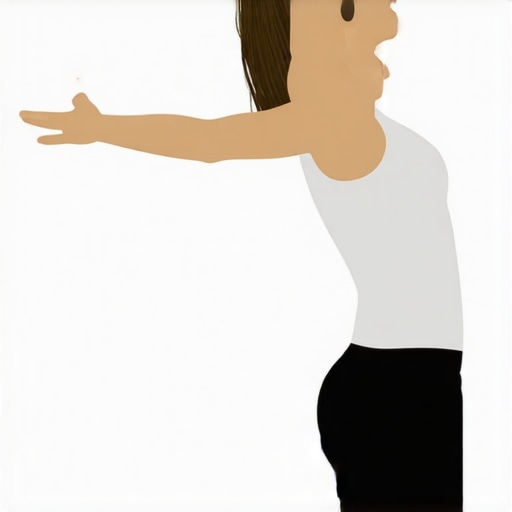
Place your back flat against a wall with your feet shoulder-width apart. Lift your arms to form a 90-degree angle at the elbows, aiming to keep your wrists and elbows touching the wall. Gently slide your arms upward, trying to keep contact with the wall. If your shoulders round forward or your lower back arches excessively, it indicates postural imbalance. I vividly remember trying this during a break at work; at first, my arms hovered awkwardly away from the wall, revealing how much my shoulders had rounded forward. This simple test gave me a wake-up call to prioritize targeted mobility exercises.
Implement Daily Mobility Drills
Consistency is key. Dedicate 5 minutes every morning to mobilize your shoulders and upper back. A highly effective move is the “Scapular Squeeze”: sit or stand tall, squeeze your shoulder blades together like trying to hold a pencil between them, hold for 5 seconds, then relax. Pair this with gentle neck stretches—slowly tilt your head side to side. I incorporated these into my routine after noticing my shoulders stiffening during long meetings, and over a couple of weeks, I felt a significant reduction in discomfort. Remember, small daily habits outperform sporadic intense sessions.
Use Visual Cues for Feedback
Set up a mirror at eye level where you work or sit regularly. Observe your posture frequently; look for rounded shoulders or forward head position. Think of your head as a balloon connected to your spine via a string—it should hang directly over your shoulders, not jut forward. When I caught myself leaning into my phone, I would correct my posture immediately. This ongoing visual feedback trains your subconscious to maintain better alignment throughout the day.
Incorporate Strengthening Exercises
Strengthening the muscles that support proper posture is essential. Focus on your upper back and core. Exercises like the Many individuals believe that addressing neck or back pain is simply a matter of stretching or taking pain medications, but this mindset often leads to misconceptions and missed opportunities for true recovery. A common myth is that pain equals damage, prompting many to over-massage or aggressively stretch, which can actually worsen the problem. In my experience, understanding the nuanced causes—like muscle imbalances, joint restrictions, or neural tension—is crucial for effective treatment. For example, some assume that chiropractic adjustments alone are the silver bullet; however, without addressing underlying mobility issues or postural habits, relief is often temporary. It’s also a trap to rely solely on passive therapies and neglect active rehabilitation, which research shows is vital for long-term improvement (source: https://quackersspinal.com/restore-your-back-mobility-proven-chiropractic-strategies).
A key advanced mistake many make involves ignoring the importance of neuro-muscular control and proprioception. Focusing solely on strengthening muscles without restoring the nervous system’s feedback integration can lead to recurrences. Additionally, there’s a widespread misconception that pain should always be suppressed quickly—this often results in masking symptoms rather than fixing root causes. Have you ever fallen into this trap? Let me know in the comments.
Another hidden nuance is how lifestyle factors, like prolonged sitting or footwear choices, subtly influence pain and mobility. For instance, wearing high heels can disrupt pelvic alignment, exacerbating back issues over time. Recognizing these little details can dramatically improve your approach to managing discomfort.
So, instead of quick fixes, consider a comprehensive strategy that includes proper assessment, targeted mobility work, and mindful habits. For further insights on how chiropractic care can unlock your recovery potential, exploring resources like https://quackersspinal.com/why-your-high-heels-are-secretly-shortening-your-spine or https://quackersspinal.com/unlocking-neck-pain-relief-expert-tips-for-lasting-comfort can be quite enlightening. Remember, long-term relief comes from understanding the complex interplay of muscles, joints, nerves, and habits—not just masking the pain temporarily.Maintaining mobility and managing pain over years requires more than just quick fixes; it demands reliable tools and consistent practices. One of my favorite devices is the portable muscle roller, like the TheraGrip. I personally use it daily to target tension points in my upper back and neck after long days. Its dense foam provides just enough resistance to trigger my muscle fibers into releasing knots, which enhances circulation and flexibility. Unlike typical foam rollers, the TheraGrip’s compact size makes it ideal for travel, ensuring I stay consistent even when away from home. Regularly incorporating such tools helps extend the benefits of chiropractic adjustments and supports long-term mobility. For those more technically inclined, digital posture trainers like the Upright GO can be programmed to give real-time feedback, encouraging mindful habits throughout the day. I’ve found that pairing these devices with apps like PosturePal helps me stay accountable. Prediction for the future? It looks like wearables integrated with AI will increasingly tailor exercises and ergonomic adjustments to our unique patterns, making maintenance smarter and more personalized. When considering how to keep your back and neck in check, it’s vital to adopt methods grounded in proven strategies. As highlighted in this guide, consistent use of targeted tools enhances the durability of chiropractic gains.
How do I maintain my progress over the years?
One effective way is to implement a daily routine of mobility drills combined with the right equipment. For example, after a session of neck stretching, I use a cervical traction device to gently decompress my spine overnight, which research indicates can reduce nerve compression. If you’re ready to evolve your maintenance plan, I strongly recommend trying the ‘2-minute wall stretch’ technique I mentioned earlier, which slingshot your mobility and pain relief forward. Remember, the goal is consistency, not intensity. Small, daily investments in your health yield lasting results. Ready to take the next step? Incorporate one new tool into your routine this week, and observe how your mobility and comfort improve—trust me, your body will thank you.Throughout my journey to improve neck pain and mobility, I’ve uncovered lessons that changed my approach entirely. First, I realized that lack of proprioception—the brain’s awareness of body position—is a silent culprit behind recurring issues. Recognizing that strengthening muscles is not enough without retraining neural feedback was a lightbulb moment. Second, I learned that many postural problems stem from ingrained lifestyle habits, like how we sit or carry bags, which means sustainable change requires mindful everyday choices. Finally, the importance of patience became clear; real mobility gains are gradual, demanding consistent small actions instead of quick fixes. Embracing these deeper insights transformed my recovery process and can do the same for you.