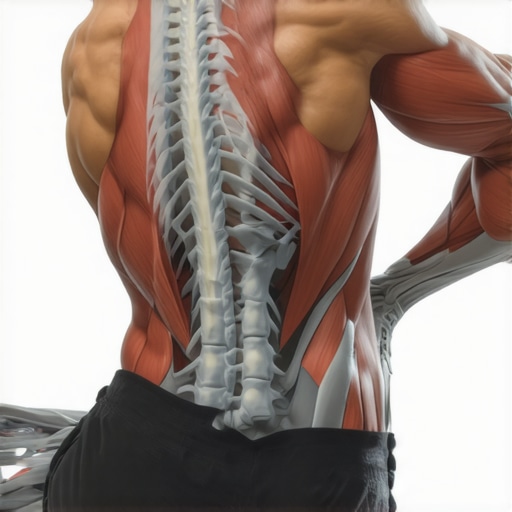
The 2-minute hip drill to stop morning back stiffness
There’s nothing worse than waking up with that dull, nagging ache in your lower back. I used to roll out of bed, stiff as a board, and think it was just part of getting older. But one morning, after losing a day to persistent discomfort, I finally had a lightbulb moment. I realized that my morning routine—specifically my neglected hips—was silently sabotaging my back health. That realization led me to discover a simple, 2-minute hip drill that has transformed my mornings. Now, I wake up feeling more mobile and ready to take on the day instead of limping through it.
The Crash Course to Breaking Free from Morning Back Stiffness
So, what’s the secret? It’s a quick, targeted hip movement designed to loosen tension in your hips and pelvis—areas often overlooked yet crucial for back health. This drill targets the tightness and imbalance that build up overnight, which can cause your lower back to stiffen and ache. Trust me, this isn’t just another stretch you’ll forget later; it’s a game-changer. The best part? You can do it in just two minutes right after you get out of bed. I’ve incorporated it into my morning routine, and the results speak for themselves.
Whether you’re a weekend warrior or sitting at a desk all day, your hips play a vital role in supporting your back. If they’re tight or misaligned, it puts extra strain on your lumbar region, leading to discomfort and decreased mobility. I used to spend hundreds on massages and visits to chiropractors, hoping for relief, but I realized the real fix was simple and right at home. Through consistent practice of this quick drill, I noticed an immediate reduction in stiffness, and over weeks, my flexibility improved dramatically.
If you’ve been battling morning back pain, give this a try. It takes only a couple of minutes, with no need for fancy equipment or gym memberships. Just a comfortable spot in your bedroom and a little willingness to move differently. Curious if this can work for you? Keep reading; I’ll walk you through the why behind it and how to do it properly.
Is Your Back Pain Just Normal Aging or Something Fixable?
I made the mistake early on of dismissing my back pain as inevitable. I thought, “Well, this is just how aging feels.” Turns out, I was simply ignoring the root causes—tight hips, poor posture, and muscular imbalances. Starting to address those issues made an enormous difference. If you’ve been told that back pain is just part of life, know that effective solutions exist, often right beneath the surface. For a deeper understanding of how chiropractic care can help restore your mobility, check out some proven strategies at https://quackersspinal.com/restore-your-back-mobility-proven-chiropractic-strategies.
Now, you might be skeptical—”Two minutes? Seriously?” I get it. I was too. But when I saw how quickly I could feel relief and how my mobility began improving, I became a believer. This isn’t a magic cure, but a simple move that addresses the root of morning back stiffness. Ready to see how you can make this a part of your daily routine? Let’s dive into the practical steps that helped me, and maybe they’ll help you too.
Start with Proper Positioning
Lie on your back on a comfortable surface, knees bent and feet flat on the floor, hip-width apart. This neutral starting point helps target the hips effectively. I remember once fussing with different setups before realizing that a stable, flat surface gave me the best results. Ensuring your pelvis is centered minimizes compensations that can reduce effectiveness.
Engage Your Core Before Moving
Pull your belly button gently toward your spine to activate your core muscles. Think of tightening a corset—this stabilizes your pelvis and spine, allowing your hips to move freely without undue strain. Once, I rushed into the drill and forgot this step; I felt no change and was tempted to give up. Then I remembered, core engagement is key to controlled movement.
Perform the Hip Squeeze
Squeeze your glutes (butt muscles) tightly for about 3 seconds, then release. Imagine trying to hold a small coin between your cheeks—this muscle contraction helps realign your pelvis and opens up the hips. At first, I was squeezing too hard, causing discomfort; gradually dialing it back and focusing on the muscle worked best. Repeat this 10 times, focusing on slow, deliberate engagement.
Deepen the Stretch with Controlled Breathing
As you release the squeeze, take a slow, deep breath in through your nose, expanding your belly. Then, exhale fully through your mouth. This breathing pattern activates your parasympathetic nervous system, promoting relaxation and increasing your flexibility. I found that combining squeeze with breath makes the movement more effective and calming.
Incorporate the Hip-Open Angle
After squeezing, gently push your knees outward, pressing your thighs into your hands or a light resistance if available. This external rotation stretches the hips further, improving joint mobility. I experimented with different amounts of force here—too much, and I felt tightness; just enough to feel a gentle stretch is optimal.
Consistency Is Your Best Ally
Do this drill every morning for just 2 minutes. My initial attempt looked messy—I was uneven, forgot some steps, but pressed on. Over a week, I noticed my hips loosening, and my lower back pain diminished significantly. This micro-movement, when done regularly, addresses the root tension that causes morning stiffness more effectively than prolonged stretching or massage.
Adjust for Your Unique Needs
Some days, I add a slight tilt of the pelvis forward or backward to find what feels best. Pay attention to how your hips and back respond, and modify accordingly. If you experience pain or persistent tightness, consider visiting a chiropractor to evaluate underlying issues—explore proven strategies at this resource.
Integrate Mindful Movement into Morning Routine
Once comfortable, increase repetitions or incorporate brief pauses. The goal is a quick reset that relieves tension before you start your day. Remember, just like tuning a musical instrument, small, consistent adjustments lead to harmony in your back health.
Many assume that chiropractic care is solely about cracking backs or quick-fix adjustments, but the reality is far more nuanced. A common misconception is that all chiropractic techniques are interchangeable or universally effective, when in fact, the effectiveness depends on the specific approach and individual variability. For example, some practitioners focus heavily on spinal manipulation without addressing underlying muscular imbalances or movement patterns that contribute to pain and stiffness. This oversight can lead patients to seek frequent adjustments without lasting relief, which highlights the importance of understanding the personalized nature of chiropractic treatments. According to a study published in the Journal of Manipulative and Physiological Therapeutics, tailored chiropractic interventions that incorporate soft tissue work, mobility exercises, and patient education yield better long-term outcomes than generic adjustment protocols.
Another widespread myth is that cracking your neck or back is harmful; in reality, when performed correctly by a trained professional, spinal adjustments are safe and can restore joint mobility effectively. The danger lies in trying to self-manipulate or seeking unqualified practitioners, which can lead to ligament strains or nerve impingements. An advanced nuance to consider is the role of joint tolerance thresholds—each spinal segment has a limit to how much it can safely be mobilized before risking injury. Recognizing these limits requires a deep understanding of biomechanics and patient-specific factors, which is why consulting a qualified chiropractor is essential.
For those dealing with neck pain, a common trap is dismissing posture as the sole culprit and neglecting the complex interaction of muscular, neurological, and structural contributors. Effective treatment involves not just relieving immediate discomfort but also addressing root causes like kinetic chain weaknesses, motor control deficits, and lifestyle habits. Exploring expert strategies at sites like [unlocking neck pain relief](https://quackersspinal.com/unlocking-neck-pain-relief-expert-tips-for-lasting-comfort) can reveal how a holistic approach is more effective than symptomatic relief alone.
#### How can understanding your specific joint and muscle dynamics prevent recurring back and neck issues?
The advanced understanding lies in recognizing that mobility isn’t merely about stretching or popping bones—it’s about restoring optimal movement patterns and muscular coordination. For example, tight hip flexors and weak glutes can perpetuate thoracic and cervical strain, which is why comprehensive assessments involving functional movement tests are crucial. Incorporating techniques like proprioceptive training and neuromuscular re-education can prevent the cycle of pain recurrence. If you’re curious about multifaceted strategies, consider exploring [chiropractic secrets to regain mobility after injury](https://quackersspinal.com/chiropractic-secrets-to-regain-full-mobility-after-injury), which emphasizes tailored rehab plans.
Lastly, an essential nuance is the importance of patient engagement and education. A passive patient prone to expecting quick fixes is less likely to achieve sustainable results. Developing habits such as micro-movements, mindful posture adjustments, and regular mobility drills—like the 2-minute hip drill—are often underestimated in their power. Committing to these practices transforms chiropractic care from a reactive treatment into a proactive lifestyle choice.
Remember, the road to lasting mobility and pain relief involves understanding these hidden nuances and avoiding simplistic assumptions. Have you ever fallen into this trap? Let me know in the comments, and armed with this knowledge, you can approach your recovery more confidently.Maintaining your spinal health over time requires the right tools and consistent strategies. One device I personally swear by is a **foam roller**, specifically a medium-density one. I use it daily to release tension in my thoracic spine and hips, which are critical for overall mobility and pain prevention. Rolling gently along your upper back and hips helps break up fascial adhesions and promotes better circulation, making it easier to keep pain at bay. For example, focusing on the thoracic region can prevent neck strain caused by poor posture, especially in desk-bound routines. Incorporate a quick 2-minute session with your foam roller in the morning or evening; it’s a game-changer for long-term resilience.Throughout my journey to improve back health and mobility, I’ve uncovered lessons that go beyond the surface—things that aren’t typically shared in quick fixes or superficial advice. One hard-earned insight was realizing that treating symptoms without understanding the root causes only leads to temporary relief. When I shifted my focus to addressing the underlying muscle imbalances and movement patterns, lasting change became possible. Additionally, I learned that mental blocks—like believing back pain is inevitable—can be as damaging as physical issues. Overcoming this mindset opened the door to proactive strategies, like the simple 2-minute hip drill, which transformed my mornings and long-term health. Lastly, I discovered that consistency outweighs intensity; committing to even small daily movements creates a ripple effect of improvement that compounds over time. Embracing these nuanced lessons has empowered me, and I believe they can do the same for you on your path to a pain-free life.