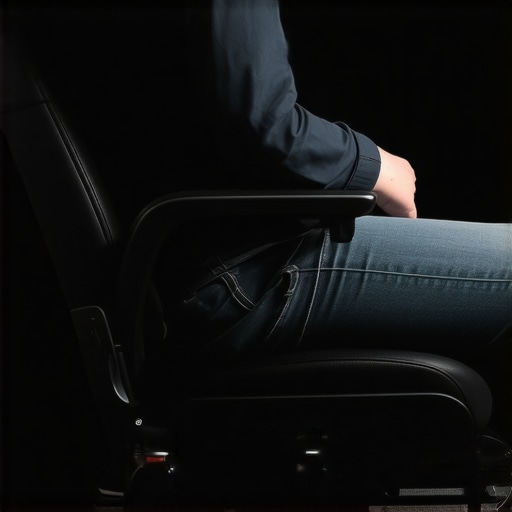
How to adjust your car seat to stop sciatica flare-ups
I remember the exact moment I realized my daily commute was wreaking havoc on my back. One morning, as I reluctantly shifted into gear, a sharp, stabbing pain shot down my leg—scariest feeling ever. That lightbulb moment made me realize how crucial my car seat settings were in managing my sciatica. Since then, I’ve gone down the rabbit hole of experimenting with different adjustments, and let me tell you—small changes can lead to huge relief. If you’re battling those fiery sciatic episodes after long drives or even short trips, you’re not alone, and I promise, there’s hope.
Why Your Car Seat Matters More Than You Think
The truth is, many of us overlook how our seating position influences our spinal health. Sitting improperly can aggravate nerve pain, lead to muscle tension, and even cause long-term issues if left unchecked. I used to believe that a firm seat cushion and a good lumbar pillow were enough, but I kept experiencing flare-ups. It wasn’t until I learned to properly adjust my seat that I saw a real difference. Expert tips confirm that ergonomic positioning can reduce pressure on your sciatic nerve and promote better circulation during long drives.
Most importantly, understanding how to customize your seat setup can save you from ongoing pain and discomfort. We’ll delve into practical, easy-to-follow steps today—no fancy equipment or expensive repairs needed. Trust me; once you find your optimal position, you’ll notice a decrease in flare-ups and a more comfortable ride overall.
Is Adjusting Your Car Seat Really Worth the Effort?
Initially, I was skeptical—how much difference could tiny tweaks make? Turns out, quite a lot. I made this mistake early on: I neglected to consider my hip and pelvis alignment, which is a common oversight. Adjusting only my backrest height without addressing seat depth or lumbar support meant I was missing out on key relief. Once I corrected these details, my pain started to diminish. So, if you’re questioning whether such adjustments matter, rest assured—they do. A well-set seat isn’t just about comfort; it’s a vital component in your ongoing back and nerve health.
Adjust Your Seat Height for Better Support
Start by setting your seat height so that your hips are level with or slightly above your knees. I once spent 20 minutes fiddling with my seat height during a long drive, accidentally bouncing it up and down, which made my lower back worse before I finally settled on a position where my thighs were parallel to the ground. This position ensures that your pelvis is in a neutral position, minimizing pressure on your sciatic nerve. Use a level or a mirror to check your hip alignment and avoid slouching forward or leaning back excessively.
Fine-Tune the Seat Depth for Pelvic Stability
Adjust the seat depth so that there’s about an inch of space between the back of your knees and the seat edge. In my earlier attempts, I only focused on lumbar support, neglecting seat depth. My legs were either fully extended or cramped, both leading to discomfort. Proper seat depth supports your pelvis and prevents tilting forward or backward, which can irritate your sciatic nerve. Sit all the way back, then slide your buttocks until you feel supported but not restricted, ensuring you can comfortably press your heels on the pedals without reaching or straining.
Lean Back to the Right Angle for Spinal Alignment
Adjust the backrest to a 100-110 degree angle. I recall the first time I tried this, I used the recline lever and immediately felt a release in my lower back tension. A reclined but supported position maintains natural lumbar curve and reduces undue pressure on the discs and nerves. Use the recline adjustment and test by slipping a hand between your lower back and the seat; you should have a comfortable gap that supports your lumbar naturally without forcing you into an unnatural curve.
Set the Lumbar Support Precisely
Position the lumbar pillow or support so that it fills the curve of your lower back. My initial setup was too high, causing tension in my abdominal muscles; then I moved it lower, which relieved my sciatic pain. Proper lumbar support encourages spinal alignment by preventing slouching. Use the support to fill in the natural inward curve of your lumbar spine, not pushing your back forward or forcing it into an exaggerated arch. Adjust it until it feels like a gentle cradle supporting your lower back.
Adjust the Seat Height and Backrest Together for Comfort
Combine seat height and backrest adjustments to find a position that keeps your hips, knees, and spine aligned. During my adjustment process, I would tweak one setting, then the other, testing with a short drive or seated period. The goal is to maintain a stable pelvis and relaxed shoulders. Sitting too low can cause pelvic tilt forward, aggravating sciatic pain; too high, and your feet may hang, reducing circulation. Keep testing until you find the seamless comfort zone where your body feels balanced and supported.
Experiment Without Rushing—Small Changes Lead to Big Relief
Remember, the key is incremental tweaks; don’t try to get everything perfect at once. I spent a weekend adjusting my seat repeatedly, noting how each change affected my pain levels. Over time, I identified the adjustments that provided the greatest relief. Moving gradually allows your body to adapt and helps you avoid the frustration of constant readjustments. Before long, you’ll discover a setup that minimizes nerve irritation and keeps you comfortable on even the longest drives.
If you want more tips on managing back discomfort effectively, explore these expert strategies or consider consulting a professional to personalize your ergonomic setup. Proper seat adjustment is a crucial step in your pain relief journey—stick with the process, and relief will follow.
Many assume that persistent neck pain or back discomfort is simply a matter of minor strain or the occasional bad posture. However, this oversimplification often leads to misdiagnosis and ineffective treatments. A common myth is that chiropractic adjustments alone can solve all issues, but in my experience, neglecting the nuanced interplay of mobility, muscular balance, and nerve health can perpetuate pain cycles. For instance, relying solely on spinal manipulations without addressing underlying mobility restrictions or movement patterns may offer short-term relief but fail to provide lasting solutions. Research by Dr. Stephan Grillner emphasizes that true spinal health involves more than just alignment; it requires restoring proper movement and function across tissues.
Why do so many treatment approaches miss the mark?
Often, practitioners focus on symptomatic relief—like cracking a back or easing muscle tension—without investigating the root causes such as joint hypomobility or neural irritations. This oversight can trap patients in a cycle of temporary fixes. For example, dedicated mobility work aimed at thoracic or cervical regions often gets overlooked, even though limited mobility here can cause compensatory strain and nerve impingement elsewhere. Recognizing these nuanced factors can significantly improve outcomes. To explore comprehensive strategies, you might find value in restoring back mobility with proven chiropractic techniques—a step towards addressing the deeper issues at play.
Another critical aspect many overlook is the danger of certain common mistakes, such as ignoring the importance of pelvic alignment or adopting poor sleeping postures over time. These seemingly minor habits can compound, worsening nerve irritation and muscular imbalances. For instance, habitual neck cradling during sleep can subtly strain cervical tissues, leading to chronic pain. Adjusting sleep positions and incorporating targeted mobility exercises can mitigate these issues. Moreover, many fail to realize that the neck’s mobility is deeply connected to overall spinal health. Regularly practicing neck and upper back mobility drills can prevent the development of pain patterns rooted in stiffness and imbalance, as detailed in necks and backs insights from wellness experts.
Now, you might wonder, how can advanced understanding help you avoid these pitfalls? Addressing stubborn neck pain or back discomfort requires a multi-dimensional approach—combining precise mobility routines, strength balancing, and neural health considerations. This is why some patients find relief only after a comprehensive assessment that includes evaluating movement patterns, tissue health, and neurological function. If you’re tired of temporary fixes, consider exploring advanced chiropractic techniques that enhance mobility and reduce pain. Remember, recognizing and correcting these hidden nuances might be your key to long-term relief.
So, have you ever fallen into this trap? Let me know in the comments. Navigating the complexities of neck and back health isn’t always straightforward, but awareness of these common misconceptions and mistakes is a vital first step toward effective, lasting solutions.
Tools I Recommend for Lasting Relief
Over the years, I’ve found that having the right equipment makes a world of difference in maintaining spinal health. One of my go-to tools is a high-quality foam roller with firm density. I personally use the TriggerPoint GRID foam roller because its textured surface allows me to target muscle knots efficiently, reducing tension in areas that contribute to neck and back discomfort. Regular self-myofascial release with this roller helps prevent muscle tightness from creeping back and supports improved mobility.
Additionally, investing in a good-quality lumbar support cushion, like the Everlasting Comfort Memory Foam Seat Cushion, has been instrumental during long drives and desk work. I select cushions with adjustable straps and memory foam cores to ensure proper pelvic alignment, which is crucial for avoiding nerve irritation. Proper seated posture significantly reduces strain on the sciatic nerve and lumbar discs, making these simple yet effective tools indispensable.
On the software side, I rely heavily on mobility tracking apps such as Mindbody to monitor progress and set personalized routines. These apps help me schedule weekly mobility drills, reminding me to perform targeted stretches and exercises designed for neck and back health. Staying consistent with these routines is key to long-term results, especially as I scale my efforts based on progress.
Adopting Effective Methods for Sustainability
Incorporating a combination of myofascial release, stretching, and posture awareness is essential. I have made it a habit to perform daily mobility sessions using both foam rollers and resistance bands to maintain tissue flexibility. For instance, I do the 3-minute neck mobility drills every morning, which helps prevent stiffness and enhances circulation.
Looking ahead, I believe that advances in biofeedback technology and wearable sensors will revolutionize how we manage postural health. Imagine real-time feedback on your sitting and standing posture, guiding you to maintain optimal alignment effortlessly—this trend is already emerging and will become more personalized and accessible.
How do I maintain neck and back health over time?
Consistency is vital. I schedule regular check-ins with my chiropractor, not just for adjustments but also for professional guidance on mobility routines. Deepening my understanding through resources like expert techniques keeps me motivated and informed. Additionally, I track my progress with wearable devices that monitor movement patterns, alerting me to any deviations that could lead to discomfort.
If you’re serious about maintaining your mobility and reducing pain, I strongly recommend trying the advanced chiropractic techniques I mentioned. Consistent use of these tools coupled with professional guidance can significantly prolong your health gains and prevent future flare-ups.
Remember, the key to keeping your neck and back working well isn’t just finding relief—it’s building a sustainable routine supported by specific tools and expert insights. Start with small, manageable changes, and gradually scale up your efforts for lasting results.
The Hard-Won Wisdom That Changed Everything
One of the most profound lessons I learned was that persistent neck and back pain often hide beneath surface issues, requiring more than just quick fixes. I once believed that stiffness was just part of aging or an occasional inconvenience, but I now understand that neglecting the nuances of posture, mobility, and neural health can prolong suffering. Recognizing my own patterns of muscular imbalance was a lightbulb moment—an insight that pushed me towards comprehensive care rather than band-aid solutions.
Another realization came when I discovered that small, deliberate adjustments to my daily habits—like how I sit or sleep—could dramatically shift my pain levels. It’s tempting to rely solely on professional treatments, but true progress often starts with empowering yourself with knowledge and taking consistent actionable steps. This shift in mindset unlocked a level of control I never thought possible and offered long-term relief I’d been chasing for years.
Finally, I understood that mobility isn’t just about stretching or adjusting; it’s about restoring the full range of motion, ensuring your nervous system communicates effectively, and addressing the root causes holistically. My journey taught me that patience, curiosity, and a willingness to learn from setbacks are crucial. If you’re ready to take charge of your neck and back health, embracing these personalized insights can be a game-changer.
My Essential Tools for Lasting Back and Neck Health
Throughout my recovery, certain tools have become indispensable. The restoring mobility with proven chiropractic strategies helped me understand the importance of proper movement patterns and tissue health. I trust this resource because it emphasizes personalized approaches grounded in real science, not just generic advice.
My foam roller, particularly the TriggerPoint GRID, became a personal favorite for self-myofascial release. It helped me loosen tight muscles that often trapped nerves, making a tangible difference in symptom relief. Pairing this with a lumbar support cushion like the Everlasting Comfort Memory Foam Seat Cushion provided everyday stability during long drives and desk work—crucial for maintaining the right posture and avoiding flare-ups.
Lastly, I rely on an app called mobility tracking tools to stay accountable. Regularly monitoring my progress keeps me motivated and ensures I don’t regress into bad habits. Combining tools, voicing patience, and seeking expert guidance create a sustainable pathway to health that I continue to benefit from daily.
Your Next Step Toward Freedom from Pain
Remember, improvement is a journey that requires consistency and genuine commitment. The future of neck pain and back health lies in personalized, holistic routines that address movement, posture, and nervous system health. Don’t hesitate to explore advanced chiropractic techniques and incorporate them into your daily life. Every small step you take now brings you closer to pain-free living, building resilience for the long haul.
What’s one change you’re ready to try today to improve your neck or back health? Share your plans below—I’d love to hear your journey toward lasting relief.
.