How to tie your shoes without straining your lumbar spine
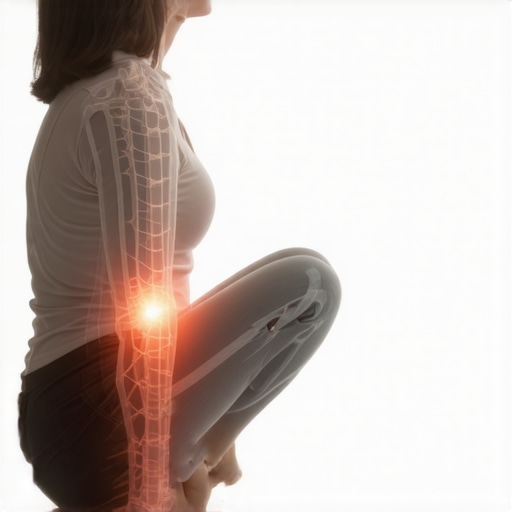
Have you ever been in a rush, crouching down to tie your shoes, only to feel that dreaded jolt in your lower back? Maybe it happened during a busy morning, or after a long day of work. That sharp twinge, the stiffness that lingers – it’s more than just an annoyance. I remember the moment I realized that my daily habit of bending over improperly was wreaking havoc on my lumbar spine. That lightbulb moment led me to question: How can we tie our shoes without sacrificing our back health?
Why Your Back Health Matters When Tying Your Shoes
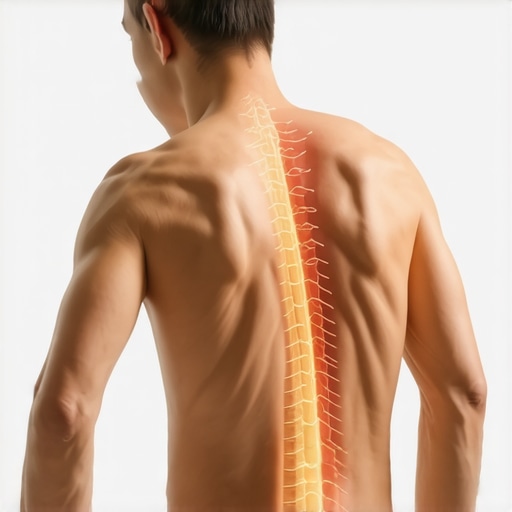
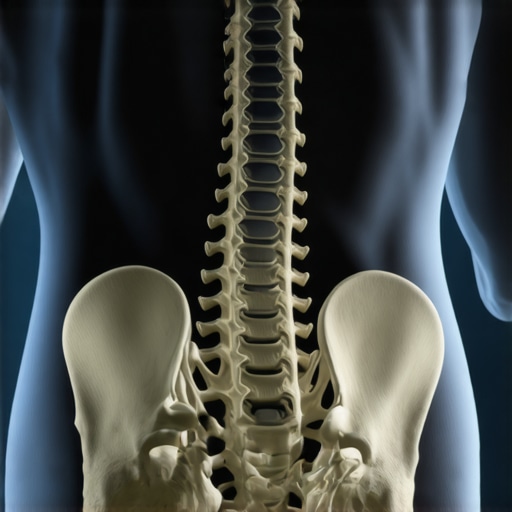
Let’s face it: simple tasks like putting on shoes seem harmless. But for many, they’re a sneaky culprit behind chronic back pain. The problem isn’t just the act itself; it’s how we do it. Repeated, poor bending techniques can strain the lumbar discs and muscles, setting the stage for longer-term issues. And as I learned early on, inadvertently making a common mistake—like bending from the waist without engaging the core or keeping the spine neutral—only amplifies the risk.
It’s crucial to realize that small habits add up. Over time, they can contribute to a downward spiral of mobility loss and discomfort. That’s why I want to share a solution that has transformed my approach—and could do the same for you. Think about it: if there’s a way to maintain your independence, avoid unnecessary pain, and keep your back healthy, isn’t it worth exploring?
But first, let’s address a common doubt many of us have.
Is Proper Shoe-Tying Technique Really That Important?
I used to dismiss this as trivial—until I experienced how quickly it affected my back. Early on, I believed that the occasional bending was harmless, especially when I was in a hurry. However, I soon learned that even seemingly minor habits, if done incorrectly or repeatedly, can lead to chronic issues. This mistake—neglecting proper posture during simple routines—can be a sneaky enemy. According to research published in the Journal of Back and Musculoskeletal Rehabilitation, repetitive poor postural habits significantly increase the risk of back discomfort and injury.
Now that we understand the importance, let’s look at how we can fix this—no fancy equipment or extensive therapy required. The goal is straightforward: learn to tie your shoes without compromising your lumbar health. Ready? Let’s jump in.
Adopt a Stabilizing Posture Before Bending
Start by standing with your feet shoulder-width apart, engaging your core muscles as if preparing to brace against a gentle push. This slight activation creates a supportive cage for your lower back. I recall the time I consciously contracted my abdominal muscles before leaning down; it made a noticeable difference in spinal comfort and stability during the task. Think of your core as the foundation of a building—strengthen it first to prevent unnecessary strain.
Use Your Hip Hinge Instead of Baking from the Waist
Instead of bending directly forward at the hips with a rounded spine, practice a hip hinge. Imagine your pelvis as a point that tilts backward, pushing your buttocks slightly outward while keeping your back flat. When I first learned to hinge my hips, I was amazed at how much easier it was to reach down without feeling tension across my lower back. This movement pattern ensures your lumbar spine remains neutral and absorbs minimal stress.
Step Over Your Shoe
Place one foot on a sturdy object like a small stool or step—this elevates your foot and reduces the need to bend excessively. Elevating your foot allows you to bend forward with a more upright torso, decreasing lumbar load. I tried this technique one morning when I was in a rush; by raising my foot, I avoided the typical backache I used to get from hunching over. It’s a simple trick that shifts the load away from vulnerable discs.
Maintain a Neutral Spine and Avoid Twisting
Keep your back in a straight, neutral position—not arched or rounded—and avoid twisting your torso. When I once attempted to reach for my shoe while turning to the side, I felt a sharp pull. Instead, I positioned myself directly in front, kept my shoulders aligned, and reached out. This strategy minimizes torsional stress and helps prevent disc injuries.
Use the Kneel-Down Technique for Low Shoes
If your shoes are low-cut or you’re wearing slippers, consider kneeling on one knee, supporting yourself with your other leg in front. This lowers you closer to the shoe, allowing a bend at your hips and knees rather than your waist. I incorporated this method during a weekend outing, and it saved my lower back from strain—plus, I could get closer without hunching over. Think of it as switching from a crane to a squat; the load stays on your legs, not your lumbar.
Practice Asymmetric Loading to Balance Strain
If you need to reach for a shoe on one side, lean slightly to that side with your hips and knees bent, avoiding a sudden, jerky motion. I remember once reaching across my body in a rush and feeling a twinge; I learned to approach it more deliberately. This controlled, angled reach distributes forces evenly and keeps your spine in alignment, reducing injury risk.
Incorporate Movement Breaks and Gentle Stretches
After tying your shoes, perform brief stretches for your hamstrings, hip flexors, and lower back. Gentle movements like pelvic tilts or cat-cow stretches can alleviate residual tension. I began doing quick routines after bending down, and it significantly decreased post-task discomfort. Regularly engaging these muscles maintains mobility and prevents stiffness that might otherwise compound during repetitive tasks.
Remember:** Small habits add up over time.
By consciously applying these techniques—keeping your core engaged, hinging at the hips, supporting yourself, and avoiding twisting—you can protect your lumbar spine from unnecessary stress. Over time, integrating these steps can lead to more resilient back health. For comprehensive guidance on back recovery and maintaining mobility, consider exploring resources like chiropractic care benefits or natural mobility enhancement techniques. Stay mindful of your posture, and your back will thank you.Many people believe that suffering from neck or back pain is simply a matter of pushing through or relying solely on temporary fixes like medication. However, this mindset often overlooks a crucial nuance: the complexity of how our nervous system and musculoskeletal system interact. For instance, common myths suggest that pain always directly correlates with tissue damage, but recent studies, such as those highlighted in the Journal of Orthopaedic & Sports Physical Therapy, demonstrate that pain can persist even after injured tissues have healed, due to altered pain processing pathways. This disconnect can lead patients to seek aggressive treatments that may not address the root cause, resulting in chronic discomfort.
One often overlooked aspect is the body’s proprioceptive feedback mechanism. Proper proprioception—your sense of body position—is vital for maintaining mobility and preventing pain. Many assume that if they can move without immediate pain, they are fully healed, but subtle deficits in proprioceptive acuity can cause maladaptive movement patterns, leading to recurring strain or injury. Practitioners like chiropractors emphasize fine-tuning this feedback loop through targeted mobility exercises, which often leads to more sustainable relief than passive therapies.
Beware of the trap of rushing into aggressive manipulation or stretching when pain persists. While chiropractic adjustments can be highly effective, overdoing them without addressing underlying neuromuscular issues can foster dependency or even cause harm. An advanced mistake many make involves neglecting the importance of stabilization training—strengthening the core and surrounding muscles—to support proper movement patterns. This approach aligns with the latest evidence advocating for functional mobility rehab, which considers the body’s integrated systems rather than isolated joints.
Why do some patients experience relief from early chiropractic visits but relapse later?
This phenomenon often happens because initial relief addresses only superficial symptoms, not the underlying neuromuscular imbalances or faulty movement habits. Without correcting these foundational issues, pain often returns. According to expert insights available at chiropractic secrets to regain mobility, a comprehensive treatment plan that combines manual therapy with personalized mobility exercises and stabilization training yields the best long-term results.
In conclusion, understanding these nuances can dramatically alter your approach to managing neck and back pain. Instead of settling for temporary relief, seek out strategies that target the root causes—like proprioceptive deficits and movement pattern dysfunctions—through informed, integrative therapies. Staying aware of these advanced details allows you to work smarter with your healthcare providers and achieve lasting mobility. Have you ever fallen into this trap of superficial fixes? Let me know in the comments.Maintaining your spinal health over time requires the right tools and consistent habits. One of my top recommendations is investing in a **quality lumbar support cushion**. I personally use an adjustable memory foam lumbar pillow when sitting for extended periods, such as during work or travel, because it helps maintain the natural curve of my lower back, reducing strain and preventing discomfort. Additionally, incorporating a **stiff foam roller** into your routine has been invaluable for releasing myofascial tension in the thoracic and lumbar regions. Regular self-massage with a foam roller promotes mobility and reduces muscle tightness, which — if neglected — can escalate into more serious issues.
Another game-changer I rely on is a **smart posture reminder device**. I wear a Bluetooth-enabled posture coach that vibrates gently when I slouch or sit in poor alignment. Over time, this feedback reinforces better habits and trains my muscles to maintain proper positioning even without the device. Integration of such technology aligns with the trend toward biofeedback tools that make mobility and posture correction more accessible and sustainable.
For deep stretching, I prefer **thera bands** over static stretching alone. Elastic resistance bands allow me to perform controlled, active mobilization exercises targeting my hips, shoulders, and spine. I’ve found that these bands help me progress faster, especially when combined with mobility protocols from chiropractic experts. According to a recent study published in the Journal of Orthopaedic & Sports Physical Therapy, controlled resistance exercises enhance neuromuscular control, which is crucial for long-term stability.
Looking toward the future, I predict that wearable tech integrated with AI will revolutionize spinal health maintenance, providing personalized, real-time feedback and adjustments. Imagine a device that learns your daily habits and suggests specific micro-movements to prevent strain.
**How do I maintain my back and neck health over time?** I make it a point to incorporate quick mobility routines into my day, such as the **2-minute hip drill** discussed in this post. I also regularly schedule visits to a trusted chiropractor, like those featured in chiropractic care resources, ensuring my spinal alignment stays optimal. Remember, consistent maintenance with the right tools prevents small issues from becoming chronic problems.
One practical tip to try today: incorporate a **foam roller session** after your workday to release tension and improve your mobility. Giving your body this dedicated care can make a tangible difference in how you feel tomorrow.
Lessons I Wish I Knew Earlier About Back and Neck Pain
One of the most eye-opening realizations was understanding that chronic pain often stems from our habitual movement patterns rather than just isolated injuries. I once believed that if I just addressed the pain symptoms, everything would improve, but I learned that correcting the root cause—like poor posture during daily activities—makes all the difference. Recognizing the importance of mindfully controlling even simple tasks, such as tying my shoes, was a game-changer, reinforcing that small habits carry significant weight in long-term back health.
The second lesson was discovering the power of integrating stabilization exercises into my routine. Treatments like chiropractic adjustments provided immediate relief, but without strengthening my core and supporting muscles, the pain would often return. This taught me that sustainable mobility and comfort come from consistent neuromuscular training, not just passive therapies.
Lastly, I realized that technology and everyday tools could serve as allies rather than obstacles—like using posture reminder devices or ergonomic supports—if we use them intentionally. These tools act as real-time feedback systems that foster better habits, making the path to a resilient spine more accessible and sustainable.
Tools That Elevated My Back and Neck Wellness
In my journey, a few resources genuinely made a difference. The book Mastering Back and Neck Pain Relief provided comprehensive insights into functional movements and posture awareness that I now practice daily. Regularly consulting the chiropractors I trust helped me understand the importance of personalized adjustments combined with mobility exercises. Additionally, specialized tools like resistance bands introduced me to dynamic stretching that stabilized my spine, and wearable biofeedback devices nudged me toward better habits without constant supervision.
Embracing these tools and resources transformed my approach—from reactive treatment to proactive maintenance—ultimately empowering me to stay resilient in the face of daily stresses.
Your Next Step Toward Lasting Relief
Remember, your journey to a healthier back and neck is uniquely yours, and small, consistent changes can lead to profound results. Whether it’s adopting better movement habits, leveraging effective tools, or seeking expert guidance, taking action today sets the foundation for long-term mobility and comfort. Don’t wait until pain becomes a barrier—start implementing these insights now and reclaim your vitality. Have you tried integrating stabilization exercises or using ergonomic tech to improve your posture? Share your experience below and let’s learn together.