
Why you should stop stretching your lower back when it hurts
It hit me during a morning stretch that went painfully wrong—my lower back tensing up worse than before, leaving me immobile and frustrated. I had always believed that stretching was the magic fix for back pain, but this twisted moment made me realize something crucial. I was actually making my situation worse. After digging into the science and consulting with experts, I discovered why blindly stretching when your back hurts can do more harm than good. Today, I want to share that eye-opening truth with you and help you avoid the same mistakes I made.
Why Your Go-To Back Stretch Might Be Harming You
Many of us turn instinctively to stretching at the first sign of lower back discomfort. It feels like a logical way to loosen up stiff muscles and regain mobility. But here’s the surprising fact: stretching your lower back too soon or incorrectly can worsen inflammation and prolong pain. I learned this the hard way, thinking I was aiding my recovery, only to find myself in worse shape.
Instead of helping, improper stretching can interfere with your body’s natural healing process. When your back is inflamed or injured, your tissues need time to recover. Forcing a stretch often irritates the area, delaying healing and sometimes leading to chronic issues. I was guilty of pulling my knees to my chest or twisting uncontrollably, believing that more flexibility would solve my pain. Spoiler: it didn’t.
From my experience and research, I understand how confusing it can be. Should you just rest? Or is movement the answer? The key lies in knowing when and how to move. For instance, gentle, targeted techniques backed by chiropractic strategies are often better at restoring mobility without aggravating your injury. Want to learn more about proven methods that actually work? Check out Restore Your Back Mobility.
Do you often find yourself stretching the moment your back tenses up, only to end up in more pain? That was my mistake, and I bet it’s yours too if you’ve been trying to “stretch through” your discomfort. But there’s hope—and a better way. In the upcoming sections, I’ll tell you exactly what steps to take to heal your back safely and effectively. Ready? Let’s go.
Start with Gentle Movement, Not Forced Stretching
When your back tenses up, the instinct to stretch is natural. But instead of blindly pulling your knees to your chest or twisting wildly, focus on gentle, controlled movements. I vividly recall a day I tried a vigorous stretch after noticing pain; it worsened my condition. Instead, lying on your back and slowly tilting your pelvis can activate your core and release tension without risking further injury.
Engage Your Core to Stabilize Your Spine
Think of your core muscles as the foundation of a building. A strong core prevents your spine from twisting or compressing unnecessarily. To activate this, practice the slight abdominal bracing exercise: tighten your stomach muscles as if preparing for a gentle punch. This not only offers immediate relief but also trains your body to support itself during daily activities.
Implement Proper Posture and Ergonomics
Proper alignment minimizes strain on your back. For example, adjust your workstation so your screen is at eye level, and your chair supports the natural curve of your lumbar spine. I personally used a rolled-up towel behind my lower back, which provided instant relief during long hours at the desk. For tailored advice, explore these expert methods.
Use Targeted Chiropractic Techniques
Chiropractic adjustments can restore mobility and correct misalignments responsible for pain. Unlike generic stretches, these techniques are personalized and address your specific issues. I visited a chiropractor who employed gentle, specific manipulations—within days, my mobility improved significantly. To learn more about how chiropractic care transforms recovery, visit this resource.
Incorporate Breathing and Relaxation Strategies
Deep, diaphragmatic breathing helps relax tense muscles and reduce inflammation. I found that combining breathing exercises with gentle movement allowed my body to release stored tension and accelerate healing. Try inhaling slowly through your nose for a count of four, hold for four, then exhale for four. This simple practice can be a game-changer, especially when pain flares up unexpectedly.
Develop a Consistent Routine
Healing requires patience and consistency. Set aside time daily for core activation, gentle movement, and relaxation. Over weeks, I noticed my back responded better to this structured approach. Regularly visiting professionals and practicing these steps build a resilient foundation, preventing future flare-ups.
Monitor Your Progress and Adjust Accordingly
Pay attention to what alleviates discomfort and what worsens it. Use a journal or app to track your symptoms and techniques. When I realized certain movements caused pain, I adjusted my routine accordingly and consulted my chiropractor for tailored strategies. Remember, each back is unique, and listening to your body is essential for long-term recovery.
While many believe that pushing harder or stretching more will speed up back pain recovery, this is a common misconception. In fact, over-enthusiastic stretching or ignoring the nuances of your specific condition can sabotage your healing process. For example, aggressive stretching during an acute injury often worsens inflammation and delays recovery, contradicting the widespread myth that activity always equals progress. Instead, a more sophisticated approach involves understanding the subtle signals your body sends and tailoring your treatment accordingly.
One trap to avoid is assuming that all back pain responds identically to treatment. The truth is, edge cases exist where standard advice, like generic stretches or exercises, can be ineffective or even harmful. This highlights the importance of personalized assessment, such as consulting with a chiropractor who employs targeted techniques, which have been shown to restore mobility more effectively than one-size-fits-all routines. For instance, exploring chiropractic secrets to regain mobility reveals how nuanced adjustments can facilitate healing at a deeper level.
Why does muscle tightness sometimes be a protective response rather than a problem to fix?
Many think that muscle tightness is the root cause of pain needing aggressive release. However, from an advanced perspective, tight muscles often serve as the body’s protective mechanism, guarding injured tissues. For example, if your neck muscles are tense after a whiplash, aggressive stretching could expose vulnerable tissues to further stress. Recognizing this nuance helps prevent further injury—it’s like pulling the thread that holds the entire fabric together. Consulting expert resources such as these methods can equip you with strategies that respect your body’s protective responses.
Another advanced mistake is neglecting the role of foundational support structures like your pelvis and core stabilization. Overlooking these can lead to persistent pain despite symptomatic relief. For example, addressing pelvic tilts or weak core muscles can dramatically improve outcomes, as detailed in restoring mobility through targeted strategies.
Have you ever fallen into this trap? Let me know in the comments. Understanding these hidden nuances can transform your recovery journey and prevent future setbacks. Remember, a tailored approach grounded in advanced knowledge often leads to faster, more sustainable relief.Maintaining your back and neck health over time requires the right tools, consistent routine, and a proactive approach. One of my favorite investments is a high-quality ergonomic chair that supports the natural curve of my lumbar spine. I personally adjusted mine using a rolled-up towel to fill the gap at the lower back, which has significantly reduced daily discomfort. For mobility exercises, I recommend using a foam roller specifically designed for myofascial release. I use it to target tight muscles around my hips and upper back, which are often the root of pain elsewhere. Regularly integrating foam rolling helps prevent muscle tightness that can develop from long periods of sitting or repeated movements.
Digital tools also play a vital role. I leverage apps like PhysiApp or MyRehab Exercise Program, which provide guided routines tailored to your specific needs. These platforms offer video demonstrations and track your progress, ensuring you stay consistent. Personally, I set daily reminders to perform gentle mobility drills from these apps, especially after long meetings or screen time, to keep my joints loose and muscles relaxed.
For more advanced management, I incorporate chiropractic strategies proven to enhance long-term results. Regular visits to a skilled chiropractor, who employs targeted adjustments and soft tissue techniques, can correct misalignments that contribute to chronic issues. I follow a personalized plan that includes ongoing assessments, adjusting treatment as my body adapts, which ensures sustained improvements.
Looking ahead, I foresee a growing trend toward smart wearable devices that monitor posture and muscle tension in real-time. These gadgets could alert you when you’re slouching or holding tension, prompting immediate correction and fostering better habits. As technology evolves, integrating these devices with professional guidance could revolutionize how we maintain spinal health.
How do I maintain mobility and prevent setbacks over time?
One of my most effective methods is dedicating a few minutes daily to targeted mobility exercises, such as the 3-minute hip drill I discussed earlier, which can be easily done at your desk or during breaks. Using tools like resistance bands for gentle strength training also complements chiropractic care by reinforcing proper alignment and muscle balance. I encourage you to try the simple yet powerful habit of incorporating deep diaphragmatic breathing during stretches or movement routines—this reduces stress and relaxes muscles, supporting healing.
Consistent monitoring through journaling your symptoms and progress is key. When I noticed particular exercises started causing discomfort, I consulted my chiropractor to tweak my routine, ensuring I avoided setbacks. Remember, personalized adjustments are often necessary as your body responds to ongoing treatment and tools.
Incorporating these strategies—ergonomic tools, mobility aids, digital guidance, and professional care—creates a comprehensive system that maintains your back and neck health in the long run. For detailed, effective chiropractic strategies, I highly recommend exploring these proven methods.
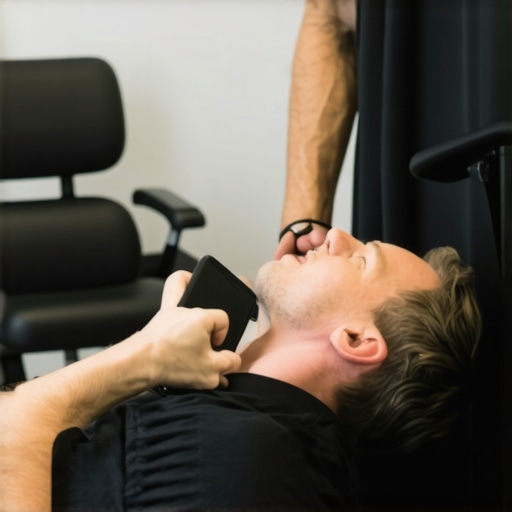 Understanding and investing in these tools will empower you to stay active, pain-free, and resilient. Start with one or two of these strategies today and observe how your body responds. As you build these habits, you’ll be better equipped to prevent future issues and enjoy a more mobile, comfortable life.
What the Toughest Lesson Taught Me About Back Recovery
One of the most profound lessons I learned was that pushing through pain with aggressive stretching often delays healing and can make things worse. It took sincere trial and error to realize that listening to my body’s signals and adopting gentler techniques speeds up progress more than brute-force methods. Trusting experts and prioritizing targeted, controlled movements over generic stretches transformed my recovery journey.
How I Stumbled into the Trap of Overconfidence
I used to believe that doing more, faster, was the answer. That mindset led me to neglect foundational issues like core stability and proper posture. Over time, I understood that sustainable relief comes from consistency, patience, and addressing root causes—integrating chiropractic techniques and ergonomic adjustments—rather than quick fixes.
My Revelation About Muscle Tension as a Protective Response
Initially, I thought tight muscles were the problem needing release. But I discovered that muscle tightness often acts as the body’s defense, shielding injured tissues. Recognizing this helped me avoid aggressive stretching that could cause more harm, and instead focus on gradual, supportive strategies—like core activation and mindful breathing—to support healing.
Why Tailored Approaches Outperform Generic Advice
Standard routines didn’t work for me because each back is unique. Personal assessments and targeted chiropractic care were game changers. Exploring resources like these proven strategies opened my eyes to customized solutions that lead to more effective and lasting relief.
The Power of Combining Tools and Routine for Lasting Mobility
Investing in ergonomic supports, mobility tools, and digital apps created a comprehensive system that keeps my back healthy daily. Small habits—like diaphragmatic breathing and consistent core exercises—make a significant difference over time. My journey taught me that proactive, personalized routines are key to maintaining long-term back health.