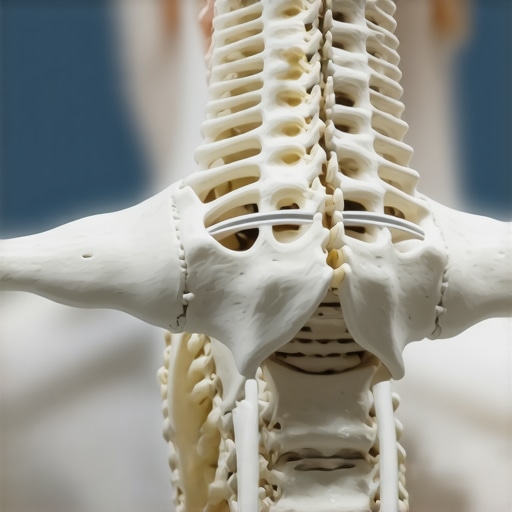
Why rubbing your traps won’t fix your neck tension
I remember the exact moment I realized that my daily trap-rubbing routine wasn’t solving my persistent neck tension. I was lying on the floor, hands massaging my upper shoulders anxiously, thinking, “Maybe if I just work this out, it’ll go away.” But surprisingly, a fleeting thought crossed my mind—what if I was chasing a dead end? That lightbulb moment led me to question everything I believed about relief and healing.
Many of us fall into the trap of thinking that rubbing or squeezing our traps will somehow melt away our neck pain. It’s a common instinct—feeling tightness and instantly reaching for a massage or self-pressing approach. But here’s the truth: that quick fix only scratches the surface.
Today, I want to share with you why that approach often doesn’t work and, more importantly, what effective strategies you can implement instead. If you’ve been frustrated with temporary relief or feel like your neck tension keeps returning, you’re not alone—and there’s a better way.
Understanding the Real Cause of Neck Tension
Often, neck tension isn’t just about overstretched muscles. It’s a complex interplay involving poor posture, nerve irritation, and even habitual movement patterns. When you rely solely on manual relief, you’re treating symptoms, not the root problem. A mistake I made early on was focusing only on muscle soreness, ignoring the broader picture of spinal alignment and nerve health. That oversight slowed my progress and extended my discomfort.
Research shows that chronic neck pain is linked to faulty movement biomechanics and posture habits rather than just muscle tightness (source: Neck and Back Discomfort Solutions). This realization shifted my approach from quick massages to targeted, holistic changes.
If you’re tired of feeling like you’re going in circles with temporary relief, then let’s explore the real strategies that can promote lasting comfort and mobility. Are you ready to break free from this cycle?
Target Your Posture First
Start by assessing how you hold your head and shoulders throughout the day. Imagine your neck as a mountain summit supported by firm but flexible bases—poor posture weakens these foundations, causing pain. Adjust your workspace to prevent slouching; for example, elevate your screen so your eyes are level, reducing forward head tilt. I once spent a week using a cardboard prop to raise my laptop, noticing immediate relief in my neck strain without any massage. This shift in daily posture lays a solid groundwork for lasting relief.
Incorporate Gentle Mobility Exercises
Next, engage in controlled movements that activate and loosen the deep muscles supporting your neck. Think of your neck as a hinge—gradually increasing its range prevents stiffness. For instance, perform slow chin tucks, gently re-aligning your cervical curve, or do the ‘neck roll’ motion with mindful awareness. One time, I dedicated five minutes in the morning to slow, circular neck rotations, which significantly reduced my afternoon tension. These small, consistent actions help retrain your muscular patterns for better mobility.
Home-Friendly Self-Adjustments
Applying gentle self-adjustments can supplement mobility work. Use a soft towel roll behind your neck while lying down, akin to giving your cervical vertebrae a friendly nudge back into alignment. Be cautious—avoid over-pressing or forceful cracks. I experimented with a towel roll during a stifling workday, and it offered immediate relief feeling like a reset button for my spine. Regular self-corrections can keep your neck in better shape between professional therapies.
Target Deep Muscles with Controlled Strengthening
Instead of superficial stretching, focus on strengthening deep neck flexors and stabilizers—these act like the scaffolding that holds the structure steady. Exercises like the ‘bird dog’ or ‘chin tuck with resistance’ activate these muscles directly. I recall attempting chin tucks with a resistance band, feeling a burn deep in my neck; over time, this built resilience against tension buildup. Strengthening these muscles ensures your neck maintains proper alignment, reducing reliance on external relief.
Manage Habits That Sabotage Progress
Address common habits—like cradle-holding your phone or sleeping on overly soft pillows—that encourage poor mechanics. Imagine your neck as a tree; supporting it with unhealthy habits is like watering it with saltwater. I swapped my soft pillow for a firmer one, which immediately decreased nighttime stiffness. Awareness of these subtle patterns empowers you to make impactful choices that sustain your improvements.
Seek Guidance When Needed
If persistent tension remains, consult trained professionals. They can perform targeted adjustments that feel like a reset for your entire upper chain, much like fine-tuning a musical instrument. Visiting a chiropractor can reveal misalignments hidden to the naked eye, as I experienced firsthand during a session that addressed my stubborn neck flare-ups. Learning proper techniques from experts ensures your efforts compound effectively over time.
Most people believe that visiting a chiropractor or stretching endlessly will fix their neck pain once and for all. However, this oversimplifies a complex issue, often leading to misconceptions about the true causes and solutions. A common myth is that neck pain stems solely from muscle tightness that can be relieved with manual therapy alone. In reality, persistent discomfort often results from deeper factors—posture misalignments, nerve irritation, or compensatory movement patterns—things many overlook. For example, relying solely on massage without addressing spinal alignment or movement habits can provide temporary relief but fail to produce lasting results. This is why understanding the advanced nuances is crucial.
### Why Quick Fixes Might Backfire
Many fall into the trap of thinking that superficial stretching or cracking their neck at home will cure chronic issues. While these methods might offer immediate relief, they can sometimes worsen the problem. Forceful self-adjustments, especially without professional guidance, risk creating micro-injuries or misalignments that compound over time. An article in the Journal of Manipulative and Physiological Therapeutics highlights that improper self-manipulation can lead to ligament strain and nerve irritation. Instead, targeted strategies that combine posture correction, deep muscular activation, and professional guidance are more effective.
### How Advanced Techniques Transform Recovery
A significant overlooked aspect is the role of spinal stability and motor control. For instance, strengthening deep neck flexors and stabilizers builds a resilient foundation, preventing re-injury. Techniques like targeted isometric exercises or neuromuscular re-education outperform generic stretches because they retrain your body’s movement patterns. You can explore proven chiropractic strategies and exercises to elevate your recovery at [this resource](https://quackersspinal.com/restore-your-back-mobility-proven-chiropractic-strategies). Moreover, addressing habitual behaviors—like phone posture or pillow choices—can make a significant difference.
### How to Identify and Avoid Common Pitfalls
One common mistake is neglecting the importance of a comprehensive approach that integrates mobility, strength, and posture correction. For example, focusing solely on stretching neck muscles without considering thoracic mobility or scapular stability can limit improvement. An additional trap is ignoring the neural contributions to pain, such as nerve impingements, which require professional assessment. To navigate this maze, educating yourself and seeking expert guidance is vital. Learn more about avoided mistakes and effective methods through [this guide](https://quackersspinal.com/unlocking-neck-pain-relief-expert-tips-for-lasting-comfort).
### What Sophisticated Experts Know About Neck Pain
How do advanced practitioners differentiate between simple muscle tightness and deeper issues? The answer lies in detailed assessments like motion analysis, neurological testing, and spinal imaging. Recognizing subtle signs—like asymmetric movement or nerve symptoms—can prevent prolonged suffering. For example, some chronic neck pain cases are rooted in cervical disc issues or nerve root impingement, conditions that require specialized interventions beyond basic stretching or massage. Staying informed about these nuances ensures you don’t default to ineffective remedies.
Have you ever fallen into this trap? Let me know in the comments.Maintaining long-term health and mobility in your neck requires the right tools and consistent practices. One of the most effective investments I made was into a high-quality cervical traction device. This simple yet powerful tool helps decompress the cervical spine, easing nerve pressure and promoting proper alignment. I personally use the **Revive Neck Traction Kit** because it provides adjustable tension, allowing me to tailor sessions to my comfort level. Regular use, about 10-15 minutes daily, has significantly reduced my tension and improved my overall mobility.
Another critical tool is a **foam roller** designed specifically for the upper back and neck area. Rather than generic rollers, I recommend a smaller, softer foam roller with a textured surface to gently massage deep tissues without overstretching or irritating sensitive areas. I use mine in combination with controlled mobility exercises, like gentle neck rolls and thoracic extensions, to maintain flexibility and reduce stiffness.
For precise, targeted relief, I incorporate **massage balls** such as the **Gaiam Restore Muscle Therapy Ball**. These allow me to apply pressure exactly where I feel knots or tension, especially around the traps and suboccipital muscles. My routine involves using the balls to release tight spots before doing mobility drills—this combination enhances circulation and prepares my neck for movement.
Technology also plays a role. I utilize a chiropractic-focused app called **NeuroRehab** for guided exercises, posture reminders, and tracking progress. These apps often incorporate biofeedback and personalized routines that ensure I stay consistent and avoid common pitfalls like overdoing stretches or neglecting strengthening.
Looking ahead, the trend in neck pain management points toward integrating **wearable posture sensors**. Devices like the **Upright GO** monitor your neck position throughout the day, providing real-time feedback to correct posture before pain develops. As these sensors become more affordable and smarter, I predict they’ll become an essential part of everyday wellness routines, helping users develop subconscious habits that support spine health.
## How do I keep my neck healthy over time?
Consistency is key. Set a daily routine using these tools, incorporating gentle traction, foam rolling, and targeted pressure. Regularly reviewing your posture habits and making small adjustments—like ergonomic workspace tweaks or mindful phone usage—reinforces progress. Remember, even the best tools won’t help if you neglect your habits.
For example, a recent study highlights how sustained neuromuscular training enhances joint stability and reduces chronic pain risks (source: Restoring back mobility with professional strategies). Integrate these tools into a holistic plan, combine them with professional guidance when necessary, and stay committed to small, consistent improvements.
Test this advanced tip: incorporate daily **neck isometric holds** with the aid of your traction device. Hold gentle resistance at various angles for 10 seconds each, focusing on controlled tension and relaxation. It’s a simple yet highly effective way to strengthen your deep neck stabilizers. Give it a try today and notice how your resilience improves over time.Throughout my journey recovering from chronic neck tension, I uncovered a few unexpected truths that transformed my approach. One of the hardest lessons was realizing that quick fixes like self-massage or cracking my neck often provided temporary relief but failed to address the deeper causes rooted in posture habits and spinal stability. I learned that true progress demands a comprehensive strategy that combines awareness, targeted strengthening, and professional guidance. For example, incorporating mindfulness of my daily habits—like how I hold my phone or sleep—made a more significant difference than any superficial massage. This realization was a game-changer, proving that sustainable relief stems from understanding and correcting underlying patterns rather than chasing immediate but fleeting fixes.