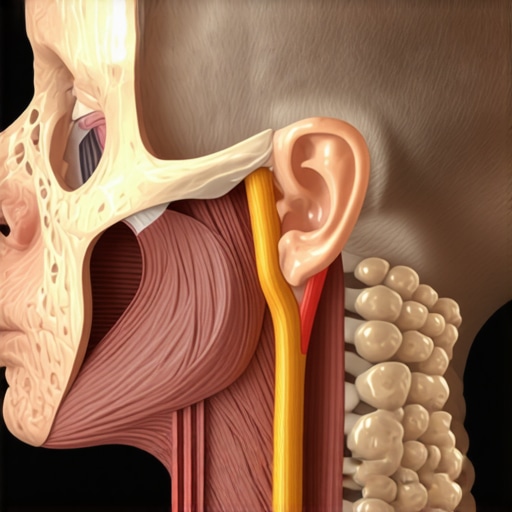
Stop rolling your neck in circles to fix stiffness
I remember the moment clearly — after a long day of hunching over my desk, I looked in the mirror and caught myself in the act. I was desperately trying to loosen up that stubborn neck stiffness, and what did I do? I started spinning my neck in circles like a human top. At first, it felt comforting, almost like a relief. But within seconds, the pain worsened, and I was left more frustrated than ever. It was a lightbulb moment for me: this seemingly harmless habit might be doing more harm than good.
If you’ve ever found yourself repeatedly twisting or rolling your neck in circles, hoping to find that sweet spot of relief, you’re not alone. Often, we fall into the trap of thinking that the more we move, the better we’ll feel. But truthfully, uncoordinated or excessive neck rolling can sometimes worsen stiffness or even cause injury.
Today, I want to share with you a simple, practical approach that transformed my neck health — and might do the same for you. We’ll explore why this common trick can be counterproductive and what proven strategies can bring lasting relief. My goal is to help you break free from that frustrating cycle of neck discomfort, so you can move freely and confidently.
The Real Reasons Neck Rolling Worsens Stiffness
Many people, myself included at one point, believe that spinning the neck in circles helps loosen tight muscles and improve mobility. It’s a quick fix, easy to do anytime, anywhere. But here’s the catch: our necks are intricate structures with many delicate components. When you spin your neck, especially without proper guidance, you risk stretching or even straining muscles, ligaments, and joint capsules. Over time, this can lead to more stiffness, inflammation, or even nerve irritation.
Moreover, the habit of compulsively rolling your neck can mask underlying issues such as poor posture, muscle imbalances, or joint restrictions that require targeted treatment — often through chiropractic care or specific exercises. Instead of addressing the root cause, neck circles can become a band-aid that temporarily alleviates discomfort while allowing the problem to persist or worsen.
I made the mistake early on of relying solely on neck circles without understanding the anatomy and the dangers involved. That misstep delayed my recovery and made me more cautious. Now, I focus on gentle, intentional movements that respect my body’s limits.
Are you tired of feeling like your neck’s stuck in a cycle of stiffness and discomfort? Do you want to discover safer, more effective ways to restore your neck mobility? If so, keep reading. We’ll dive into proven strategies that have helped many, including myself, find lasting relief and get back to feeling good again.
For more insights on managing neck pain effectively, check out [expert tips for long-term relief](https://quackersspinal.com/unlocking-neck-pain-relief-expert-tips-for-lasting-comfort). Now, let’s explore why the common habit of neck rolling might be one of the biggest misconceptions about relieving stiffness.
Start with Gentle Awareness
During my own journey, I realized that before jumping into any exercise, I needed to tune into what my neck was actually telling me. Sit comfortably, take a deep breath, and gently tilt your head forward, backward, and side to side—notice any tension or tightness. This initial step helps you identify areas that need careful attention rather than forcing movement that could worsen discomfort.
Use Controlled, Small Movements
Instead of frantic neck circles that resemble a human whirlpool, opt for deliberate, slow movements. For example, turn your head to the right until you feel a stretch, hold for a few seconds, then slowly return to center. Repeat on the left. This mimics how you would carefully examine a fragile object—approach your neck with mindfulness, not momentum. I incorporated this into my routine after noticing that quick spins heightened my pain, turning my practice into a safe, effective habit.
Incorporate Resisted Isometric Exercises
This involves applying gentle pressure against your head with your hand to strengthen supporting muscles without moving your neck excessively. For instance, press your hand against your temple, resisting the motion as you push your head into it. Hold for five seconds, then relax. This mirrors stabilizing a delicate structure—you reinforce internal support instead of risking overstretching. Doing this regularly improved my posture and reduced stiffness over time, proving that strategic resistance is more effective than uncontrolled movements.
Align with Proper Posture Throughout the Day
Remember, your neck’s health isn’t just about exercises—it reflects your daily habits. Set reminders to sit upright, avoid slouching, and adjust your workspace to promote optimal alignment. For example, my monitor was too low, causing me to crane my neck; elevating it made a significant difference. Think of your spine as a chain—if a single link is out of place, the entire chain weakens. Consistent posture adjustments act like tightening that chain, preventing repetitive strain and allowing your neck to recover naturally.
Apply Targeted Stretching for Tight Areas
Identify specific muscles that feel tight—say, the levator scapulae or upper trapezius—and gently stretch them. For instance, tilt your head diagonally while gently pulling with your hand to increase the stretch. Only hold for 20-30 seconds, and avoid bouncing. I added these targeted stretches after notice how certain positions caused persistent discomfort, turning a minor annoyance into a manageable routine that eased tension without aggravating pain.
Practice Breathing and Relaxation Techniques
Chronic neck tension often correlates with stress. Deep, diaphragmatic breathing can soften tight muscles. Place one hand on your belly, breathe deeply through your nose, and focus on expanding your abdomen. Exhale slowly. This psychological and physiological reset prevents hyperactivation of the muscles, which I discovered through mindful breathing practices helped me maintain mobility during stressful days. Incorporating relaxed breathing techniques allows your body to reset and reduces the likelihood of tension buildup.
Progress Gradually and Listen to Your Body
Overcoming neck stiffness isn’t a sprint—it’s a marathon. I made the mistake of pushing too hard too quickly, which led to setbacks. Instead, increase intensity or duration in small increments, and stop immediately if you experience sharp pain or increased discomfort. Think of training your muscles like breaking in new shoes: do it gradually to avoid blisters. Trusting your body’s signals ensures you build resilience rather than exacerbate existing issues. This mindful approach cemented my progress and kept setbacks at bay.
Many misconceptions about back pain, mobility, and chiropractic care persist despite mounting evidence to the contrary. A common myth is that increased activity always accelerates healing, leading many to push through pain, which can exacerbate injuries rather than promote recovery. In reality, understanding the nuanced responses of your body is vital; aggressive stretching or exercise without proper guidance can trigger inflammation or nerve irritation, especially if underlying issues aren’t addressed. As I learned through experience and consulting with experts, gentle, controlled movements tailored to your condition yield far better results than aggressive routines that overlook individual differences.
Another trap many fall into involves the over-reliance on quick fixes or ‘miracle’ cures promoted online. These often ignore the complex physiology of the spine and nervous system. For example, some believe chiropractors can instantly ‘fix’ chronic issues, but evidence suggests that sustainable relief requires a comprehensive treatment plan, including postural corrections, targeted exercises, and addressing lifestyle factors. My journey in mastering back health confirmed that patience and informed strategies outperform hurried interventions.
### Why do some exercises worsen back pain?
It’s a question many advanced practitioners ask. Not all movement is beneficial; improper technique, incorrect exercise selection, or neglecting individual limitations can cause harm. For instance, high-impact routines might aggravate herniated discs or inflamed tissues if done without proper assessment. A 2022 study published in the *Journal of Orthopedic & Sports Physical Therapy* emphasizes personalized approaches, highlighting that manual assessments and tailored rehabilitation plans significantly outperform generic protocols. This underscores the importance of consulting experienced professionals rather than relying solely on generic advice.
Focusing solely on mobility exercises without addressing core stability, muscular imbalances, or spinal alignment often leads to recurrent issues. Strengthening the wrong muscles or neglecting joint restrictions can create new problems or aggravate existing ones. Instead, integrating controlled, specific movements and corrections—like those outlined in our cornerstone article about versatile neck and back routines—ensures better, lasting outcomes. Explore more about effective chiropractic strategies for back recovery at [this comprehensive guide](https://quackersspinal.com/back-pain-recovery-how-chiropractic-care-transforms-lives).
A final mistake to avoid: trying to push through pain in hopes it’s just fatigue. Pain is a warning, not a badge of honor. Ignoring discomfort can lead to chronic problems or nerve damage. Respect your body’s signals and seek appropriate guidance. Remember, quick fixes rarely solve complex issues, and long-term health depends on understanding your unique biomechanics and restoring optimal function.
Have you ever fallen into this trap? Let me know in the comments. The more we share our experiences, the better equipped we are to make informed decisions about our spinal health.When it comes to maintaining your spinal health and mobility, having the right tools makes all the difference. After years of trial, error, and professional guidance, I’ve identified several equipment and strategies that truly support my ongoing recovery and prevention efforts. These tools aren’t just gadgets—they’re integrated into my daily routine to keep me moving comfortably and avoiding setbacks.
Investing in a Quality Foam Roller for Trigger Point Relief
My first game-changer was a high-density foam roller. I use it to release muscle tightness in my back and neck, particularly in areas like the upper trapezius and thoracic spine. I prefer a firm, textured roller because it provides better proprioceptive feedback and allows me to target specific knots without applying excessive pressure. Proper use helps prevent stiffness from creeping back and complements my chiropractic adjustments. For detailed guidance on foam rolling techniques, I recommend checking out this resource.

Smart Software for Posture and Movement Awareness
Modern technology offers tools that can alert you when your posture deviates from optimal alignment. I personally use a posture correction app paired with a wearable sensor that vibrates whenever I slouch or tilt my head forward. This real-time feedback ingrains better habits, especially during long work sessions. As posture is a critical aspect of spinal health, such tools help me avoid developing chronic neck pain. Experts like this article emphasize the importance of habit tracking and gentle reminders.
Stability Ball for Core Engagement
An instability ball doubles as a dynamic seat and exercise prop. Sitting on it engages your core muscles continuously, which supports spinal stability. I use my exercise ball during stretches and even while working, as it encourages better posture and reduces the tendency to slump. Over time, this tool has contributed to stronger supporting muscles, reducing my reliance on passive therapies. Incorporating simple exercises like pelvic tilts or seated marches on the ball has been especially effective.
Curious How to Keep It Working Long-Term?
The key to maintaining your progress is consistency, coupled with the right tools. Regularly integrating these devices into your routine ensures that your mobility and pain prevention strategies are sustainable. It’s not enough to do a one-off stretch or exercise; this is about creating habits that reinforce spinal health daily. To learn more about sustaining your improvements, consider exploring simple yet effective chiropractic hacks that support long-term results.
In addition, stay informed about emerging techniques and equipment. As research advances, new tools such as smart massage devices with targeted heat and vibration are coming into prominence—like the newer models reviewed in wellness expert insights. Experimenting with these can enhance your recovery program, but always consult with a professional to ensure they complement your specific needs. My advice is to try incorporating a foam roller and a posture correction app this month—you may find that these steps significantly enhance your ongoing spinal well-being.
The Hardest Lesson I Learned About Neck Pain and Mobility
Despite years of trial and error, I finally realized that pushing through discomfort often exacerbates issues, especially with the neck. Patience and gentle strategies are far more effective than aggressive moves that can backfire.
The Myth That Stalled My Progress
Believing that quick-fix exercises could resolve deep-seated neck stiffness led me to neglect underlying habits like poor posture or stress. Addressing these root causes transformed my recovery journey, teaching me the importance of holistic care.
The Unexpected Power of Mindful Movements
Incorporating controlled, deliberate motions rather than frantic neck rotations made a significant difference. This approach not only prevented pain but also built awareness about what my body truly needed.
My Top Resource for Lasting Relief
One tool that changed the game was a high-quality foam roller, helping me release muscle tension safely. Paired with targeted exercises and posture awareness apps, it created a comprehensive routine that supports long-term mobility. For a deeper dive, check out this dedicated guide.
The Emotional Shift That Made All the Difference
Recognizing that neck health is a journey, not a quick fix, empowered me to stay consistent and patient. Overcoming the urge to rush into intense routines allowed me to enjoy gradual, sustainable progress, inspiring me to share these insights to help others.