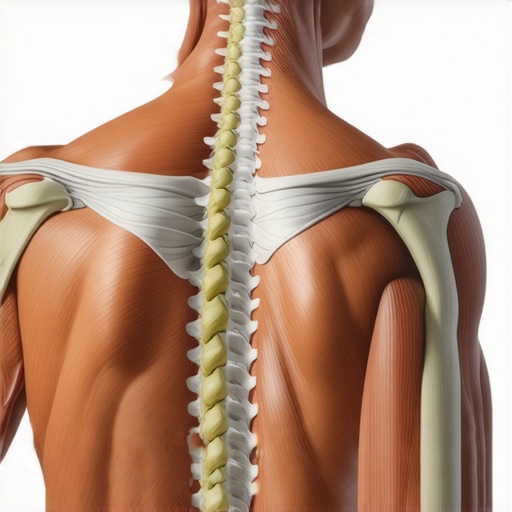
Why we adjust the top of the neck for lower back issues
It was a late afternoon, and I was hunched over my desk, feeling that familiar twinge in my lower back. But what struck me most was the nagging tension creeping up into my neck, as if my head was pulling weight from above. Suddenly, I realized something: my neck’s position might be influencing my lower back in ways I had ignored for years. If you’ve ever experienced persistent back pain that just won’t let up, you might find yourself questioning whether your neck plays a bigger role than you think.
The Hidden Connection Between Your Neck and Lower Back Issues
For a long time, I believed that back pain was all about the lower spine—after all, that’s where the discomfort was centered. But over time, personal experience and professional studies began to reveal a different story. Our body’s segments are interconnected; misalignments or tension in the neck can cascade down, affecting the lumbar region. It’s like a domino effect—one misstep above can cause imbalance below.
Take, for example, the way our head’s position influences our entire posture. A forward head tilt can lead to compensatory changes in the pelvis and lumbar spine, increasing strain and pain. According to chiropractic expertise, adjusting the upper cervical area often provides relief for lower back issues that stubbornly persist despite conventional treatments.
This insight was a game-changer for me. I started paying more attention to my neck’s alignment, realizing that simple adjustments could have profound effects. If you’ve been grappling with ongoing back discomfort and haven’t considered your neck’s role, you’re not alone. Many people make the mistake of ignoring the upper cervical area, missing a potentially simple key to relief.
If you’re curious about how your neck might be contributing to your back pain, I encourage you to explore professional assessments. As I learned through trial, error, and trusted advice, integrating neck adjustments into a comprehensive treatment plan can accelerate recovery and restore mobility. Want to dive deeper into this connection? Check out this expert guide to lasting neck and back relief.
Now, let’s explore how exactly this relationship works and what you can do about it. Because understanding the cause is the first step toward a pain-free life.
Why is targeting the upper cervical area so effective for back pain?
Assess Your Posture Regularly
Start by observing your daily habits. Use a full-length mirror or record yourself sitting and standing to spot forward head tilt or rounded shoulders. For example, I once noticed my screen was slightly too high, causing me to crane my neck—a small adjustment made a big difference. Recognizing these habits helps you identify the root postural issues that contribute to lower back stress.
Incorporate Neck Mobility Exercises
Gentle neck rotations and tilts can loosen tight muscles and improve alignment. Lie on your back, gently turn your head side to side, holding for a few seconds each time. This was a game-changer for me when I felt stiffness in my neck; gradually, I noticed less tension radiating into my shoulders and lower back. Consistent practice enhances the connection between neck movement and overall spinal health.
Practice the Chin Tuck Technique
This simple move retrains your cervical posture. Sit or stand with your back straight, then tuck your chin slightly as if making a double chin. Hold for 5 seconds, then release. During a hectic workday, I used this at my desk, and within days, I experienced reduced neck and upper back pain, which indirectly eased lumbar stress. This technique trains your neck muscles to maintain a neutral position.
Adjust Your Workspace Ergonomics
Your equipment setup affects neck and back health profoundly. Position your monitor at eye level, keep your shoulders relaxed, and avoid slouching. I replaced my high laptop with a stand and external keyboard, immediately noticing improved posture and less back discomfort. Proper ergonomics reduces the strain on your cervical and lumbar regions, preventing pain from building up over time.
Strengthen Your Deep Neck Flexors
Targeted exercises like gentle head lifts while lying down can reinforce muscle support. Lie flat, lift your head slightly without straining, hold for a few seconds, then lower. I kept this simple movement in my routine, and it helped stabilize my neck, reducing tension that often led to lower back stiffness. Strong deep flexors keep your head aligned, alleviating cascading stress on your spine.
Integrate Breathing and Relaxation Techniques
Deep diaphragmatic breathing relaxes tense muscles and promotes better posture. Place one hand on your belly, inhale deeply through your nose, feeling your stomach expand, then exhale slowly. I practiced this during stressful moments, noticing my neck and back tension decreased significantly. Relaxed muscles mean less forward head posture and lumbar strain.
Seek Professional Chiropractic Care When Needed
Manual adjustments can correct misalignments that exercises can’t reach. Schedule a session with a licensed chiropractor, especially if self-care isn’t enough. I visited a chiropractor who identified a subtle atlas misalignment; the adjustment improved my neck and reduced my lower back pain. Professional care complements your home routines, accelerating recovery.
Many people believe that neck pain is always a minor nuisance that will resolve on its own or that chiropractic adjustments are a quick fix. However, these misconceptions can lead to neglecting the subtle yet crucial nuances vital for true healing. For example, the myth that only structural issues cause pain ignores the complex neuromuscular and postural factors involved, as highlighted by research indicating that motor control dysfunction often underpins persistent neck and back discomfort. Relying solely on adjustments without addressing underlying movement patterns can result in temporary relief but long-term recurrence. One common trap to avoid is thinking that stretching is always beneficial. While flexibility is important, overstretching muscles like the deep neck flexors or lumbar ligaments can exacerbate instability, leading to more pain and dysfunction, as discussed in studies on muscle balance and joint stability. For advanced practitioners, understanding the importance of proprioception and neuromuscular control becomes essential. An imbalance here may cause ongoing tension despite correct alignment. Addressing these aspects involves techniques such as specific mobility drills and core stabilization exercises, not just passive treatments. Consider this: does your current approach target the root neuromuscular issues, or are you just treating symptoms? If you’re ready for a comprehensive perspective, I recommend exploring expert insights [here](https://quackersspinal.com/relieve-neck-back-discomfort-using-these-expert-methods). Remember, holistic understanding and nuanced application of chiropractic and mobility principles can profoundly improve your pain management and prevent setbacks. Have you ever fallen into this trap? Let me know in the comments.Maintaining the progress you make with chiropractic care and mobility routines requires the right tools and consistent effort. One essential investment is a high-quality ergonomic chair with adjustable lumbar support, which can prevent hours of poor posture that lead to chronic pain. I personally use a Herman Miller Aeron, as its customizable design allows me to maintain proper spinal alignment during long work sessions, significantly reducing strain. Additionally, a foam roller with a firm surface helps me release fascia and tight muscles in my back and neck, which you can find at reputable fitness stores or online. I frequently utilize a posture correction sensor — like the Upright GO 2 — that vibrates gently if my head shifts forward, reminding me to maintain proper cervical alignment throughout the day. These devices are invaluable for ingraining good habits and avoiding the gradual deterioration of mobility.
Throughout my journey with back and neck pain, I discovered a vital lesson—sometimes, the root of persistent discomfort isn’t where you expect it to be. The biggest breakthrough came when I realized that addressing the neck’s alignment and mobility could dramatically improve lower back issues. This revelation transformed my approach, turning what once felt like an endless battle into a manageable, even enjoyable, process of healing.
One lightbulb moment was recognizing how the subtle tension in my neck was sending ripples down my spine, aggravating other problem areas. By focusing on simple neck mobility exercises and ergonomic adjustments, I experienced relief that traditional back-focused treatments hadn’t provided. Embracing this holistic view empowered me to craft a personalized recovery routine—one that integrates neck health as a cornerstone of back pain management.
What sets this insight apart is its simplicity and accessibility. You don’t need expensive gear or complicated procedures—just a willingness to look above the pain point and nurture your body’s interconnected systems. Resetting your posture, strengthening neck stabilizers, and practicing mindful movements can be game-changers. Remember, sometimes the key to pain relief from stubborn back issues lies right at the very top—your neck. For a comprehensive guide to implementing these strategies, check out this expert resource.