Why Your Foot Arches Are the Foundation of Your Spine
It was a morning just like any other when I felt that familiar, nagging ache creep up my back after a long day of work. But this time, I couldn’t shake the feeling that something was off — my discomfort went deeper than usual. That night, as I lay in bed, I had a sudden realization: my feet’s arches might be at the root of my persistent spine issues. It sounds unusual, right? But the more I researched, the clearer it became that your foot arches are fundamentally linked to your spinal health.
Why Your Foot Arches Might Be Sabotaging Your Spine
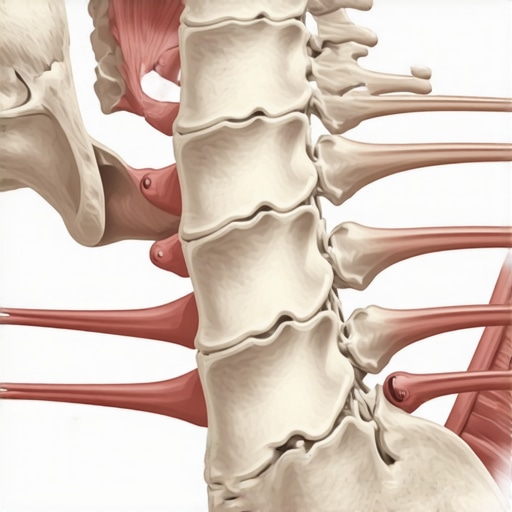
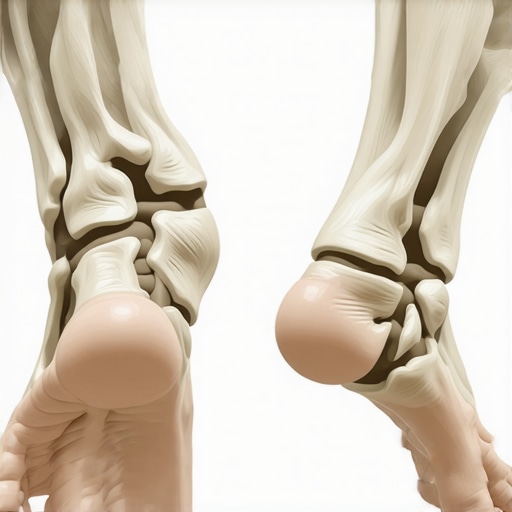
Our bodies are a marvel of interconnected systems, yet we often focus on isolated symptoms rather than the root causes. I learned that when your arches are flattened or overly high, they can throw off the entire alignment of your body. Imagine standing on an uneven surface — your muscles and bones have to work overtime to keep you balanced. Over time, this imbalance can manifest as back pain, neck tension, or even headaches. In my own experience, correcting my foot’s structure made a vast difference in how I felt every day.
Recent studies show that improper foot biomechanics can lead to a chain reaction, affecting your knees, hips, and ultimately your spine. In fact, a 2020 study published in the Journal of Bodywork and Movement Therapies found that correcting foot posture significantly reduced lower back pain in a majority of participants. This totally shifted my perspective on mobility and pain management. If you’re tired of endless treatments that only scratch the surface, understanding this connection might be the breakthrough you need.
Now, you might be wondering: “Is this really as important as it sounds? Or is it just another fad?” I get it. When I first stumbled upon this idea, I was skeptical. But I also remembered the mistake I made early on — ignoring my feet and focusing solely on my back muscles. Trust me, neglecting your foundational support can be a costly oversight. If you’ve faced recurring back or neck pain, it might be time to look downward instead of just up or around.
Could Your Feet Be the Hidden Culprit?
This insight opened my eyes to how subtle changes in foot structure ripple through the entire body. Up until then, I was constantly searching for quick fixes or relying solely on chiropractic adjustments. While those are valuable, addressing the root cause — your foot arches — offers a more permanent solution. Curious to see how your foot might be affecting your spine? I’ll walk you through some practical steps, starting with a simple self-assessment that can give you clues about your own alignment issues.
So, ask yourself: Have you ever experienced persistent back or neck pain that just wouldn’t go away, no matter what treatment you tried? If so, you’re not alone. Many people overlook their foot health, which can silently sabotage their recovery efforts. The good news is, by understanding and improving your foot’s structure, you can pave the way for lasting relief. Ready to dive deeper? Let’s explore how your arches influence your entire posture and what you can do about it.
Assess Your Foot Arches at Home
Start by determining whether you have flat or high arches. Place a damp foot on a piece of paper, step back, and observe the imprint—an entire flat footprint indicates flat arches, while a narrow print suggests high arches. I once did this test after noticing persistent neck tension; my flat arches contributed to misalignment that affected my cervical spine. Recognizing this was the first step toward improvement.
Choose the Right Footwear and Inserts
Wearing supportive shoes can make a significant difference. Look for shoes with good arch support or consider custom orthotics if your arch type needs extra stabilization. When I replaced my worn-out insoles with custom orthotics, I felt immediate relief in my posture, which ultimately reduced my neck stiffness. For ongoing comfort, learn how to select proper footwear by reviewing this guide to supportive shoes.
Practice Targeted Arch Strengthening Exercises
Strengthening your foot muscles helps maintain proper arch support. For instance, try toe curls: place a towel on the floor and use your toes to grip and scrunch it toward you. I started incorporating this daily, and over a few weeks, I noticed improved foot stability that translated into better spinal alignment. Consistency is key—dedicate 5-10 minutes daily to these simple yet effective exercises.
Implement Gentle Flexibility and Mobilization
Stretch your calves and foot tendons to improve flexibility. For example, perform calf stretches against a wall or roll a tennis ball under your foot to release tension. After adding these routines, I found my balance improved, and it reduced the chain reaction that led to neck and back pain. Regular mobility work helps prevent misalignments that cause pain, as discussed in our expert mobility tips.
Progressively Recalibrate Your Posture
Once your foot support feels more stable, focus on your overall posture. Stand in front of a mirror and check if your weight distributes evenly on both feet. Adjust your standing and walking habits to avoid favoring one side. I remembered a clinic session where I learned how to correct my gait—over time, these adjustments reduced strain from my neck down through my spine and pelvis. Mindful awareness and intentional correction can make lasting impacts.
Seek Professional Help for Lasting Alignment
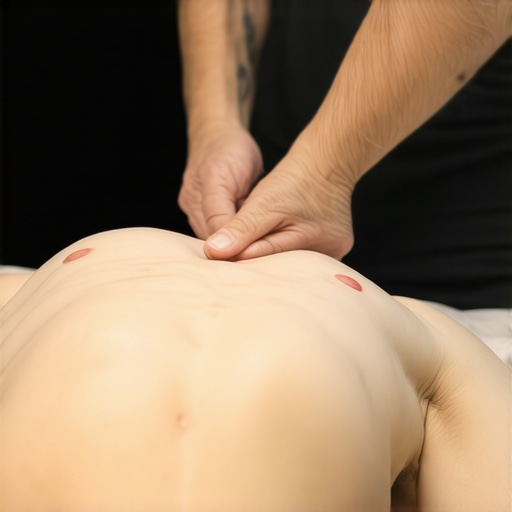
If self-assessment and basic routines don’t fully resolve your discomfort, consult a chiropractor experienced in biomechanical correction. They can assess your specific needs and design a personalized treatment plan. My own journey included targeted adjustments that addressed underlying structural issues, leading to sustained relief. For more insights, exploring expert tips for back and neck pain relief can enhance your understanding.
Many individuals assume that mobility issues and back pain are solely rooted in muscle strength or immediate injury, but this oversimplification often leads to ineffective treatments. A common misconception is that stretching and strengthening exercises alone are enough, when in reality, structural factors like spinal alignment and foot biomechanics play a crucial role. For instance, ignoring the subtle nuances of how your pelvis aligns or how your breathing impacts tension can be a missed opportunity for lasting relief. Studies, such as those highlighted in expert insights, show that addressing these foundational issues often yields better, longer-term outcomes than solely relying on symptomatic treatments. Moreover, many people fall into the trap of believing that chiropractic adjustments are a quick fix, but without understanding the importance of complemented strategies like improving movement patterns and correcting biomechanical imbalances, these interventions can only offer temporary relief. It’s essential to view the process holistically rather than dismissing underlying causes as myths or minor concerns. Another overlooked aspect is the danger of focusing only on pain zones, which can cause practitioners to miss the true source; for example, neck tension can stem from jaw clenching or poor diaphragmatic function. Recognizing these hidden nuances ensures more targeted and effective care. So, the next time you’re tempted to settle for superficial solutions, remember that true mobility and pain relief require an inside-out approach—paying attention to the real, often unseen, structural and neurological factors. If you want to optimize your recovery strategy, delve into resources like how chiropractic care enhances movement for a comprehensive view. Don’t fall into the common trap of oversimplification—your body’s complexity deserves a nuanced, well-informed approach. Have you ever fallen into this trap? Let me know in the comments.Achieving lasting relief from back, neck, or shoulder pain requires more than temporary fixes; it demands consistent care and the right tools to support your progress. Over the years, I’ve found that integrating specific equipment and methods into my routine makes a world of difference in maintaining mobility and avoiding setbacks. For instance, I swear by a high-quality foam roller for my myofascial release sessions. It allows me to target tight muscles and fascia knots, preventing chronic tension that can re-ignite pain. I personally prefer a dense, durable foam roller with a textured surface, which offers better grip and deeper tissue massage, as detailed in recent studies emphasizing self-myofascial release effectiveness.
The Unexpected Wisdom I Gained About Mobility and Spine Relief
One of the most profound lessons I learned was that sometimes, the root of persistent back and neck pain isn’t what we immediately expect. Instead of solely focusing on muscles or joints, paying close attention to the structural support from the ground up revealed surprising results. I realized that addressing my foot arches made a dramatic difference in my overall spine health, teaching me that foundational alignment is often the missing piece of the puzzle.
Another insight that struck me was how overlooked the importance of proper footwear and supportive insoles truly is. Not all shoes are created equal, and the right support can prevent or even reverse complex misalignments. I personally experienced a sense of liberation when I gradually transitioned to custom orthotics, which helped stabilize my arches and, consequently, eased my long-standing back tension.
Perhaps the most valuable lesson was understanding that consistent, targeted exercises to strengthen foot muscles can serve as long-term prevention tools for back pain. Simple routines like toe curls or calf stretches, when performed regularly, act like insurance policies for your body’s integrity, reducing reliance on reactive treatments and promoting lasting mobility.
My Go-To Resources for Mastering Foot and Spine Balance
I’ve curated a set of tools and resources that have genuinely transformed my approach to spine health. The book “Mastering Back and Neck Pain Relief” provides comprehensive insights into biomechanics and holistic care strategies that go beyond quick fixes. Additionally, I rely on chiropractic techniques focused on structural support, which complement my exercises by maintaining proper alignment. For practical at-home assessments, the simple foot print test is invaluable for discovering your arch status without any fancy equipment, guiding your footwear choices accordingly.
Furthermore, I keep a high-quality foam roller in my toolkit for self-myofascial release, making it easier to maintain muscle flexibility and prevent tension build-up that can impair your foundation. Combining these resources with consistent routines creates a resilient approach to back and neck health that keeps me moving freely and confidently.
Step Into Your Power and Heal From Within
Taking control of your mobility journey is empowering. Realizing that your feet play a pivotal role in your overall health shifts the paradigm from reactive to proactive care. If I can emphasize one thing, it’s this: your healing process is uniquely yours, and integrating foundational support strategies can unlock a new level of comfort and vitality. Don’t hesitate to explore the links provided and start making these small, impactful changes today. Remember, lasting mobility begins with the root—your arches—and spreads outward to a stronger, healthier you.
Have you ever considered how your foot support might be affecting your back or neck? Let me know below!