How a Single Weak Glute Muscle is Secretly Ruining Your Walking Gait
I remember the exact moment I realized something was off during my morning walk. My hips felt uneven, and my stride was strangely clunky, like my legs were fighting against each other. It was a slow, creeping frustration, and I couldn’t shake the feeling that I was missing something obvious. That’s when I discovered the truth—just one weak glute muscle could subtly derail your entire walking gait, and I was living proof.
Why Your Weak Glute Might Be Sabotaging Your Step
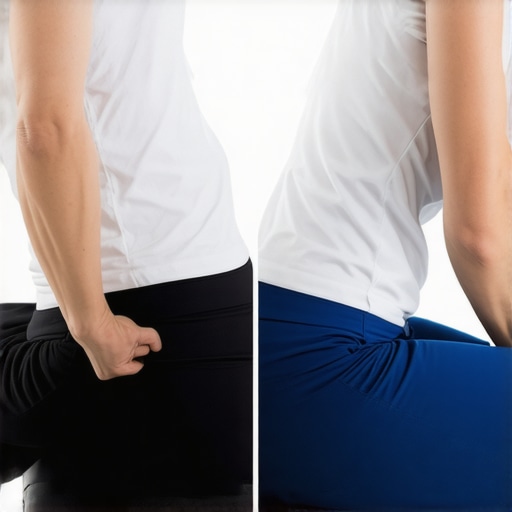
Most people think about hip or back pain as the culprit when their gait feels off. But what if the real problem is a tiny muscle deep inside your buttocks that’s not doing its job? The glutes are the body’s main powerhouse for walking, running, and even standing. When one side is weak, it throws off your balance, causes compensatory movements, and over time, can lead to back pain, hip strain, or even knee issues.
Early on, I made the mistake of ignoring this minor weakness, which only worsened my posture and discomfort. It was only after a lot of trial, error, and personal research that I grasped how vital this often-overlooked muscle is. In fact, experts agree—addressing even a single weak glute can dramatically improve your mobility, reduce pain, and restore confidence in your stride. For instance, check out this guide on expert healing methods, which emphasize the importance of muscular balance.
If you’re like I was, you might be wondering whether this tiny muscle is really the root cause of your walking woes. And here’s the thing—your fear of investing time into what seems like a minor issue is common. But ignoring it could keep you stuck in a cycle of discomfort and poor posture. Today, I promise to share practical insights and exercises that will help you identify and strengthen that stubborn glute—small muscle, big impact.
Is the hype around fixing one tiny muscle really worth it?
Here’s where many skeptics, including myself early on, trip up. I used to think, “How can one muscle change the entire way I walk?” It seemed too simple, almost too good to be true. But I learned that neglecting such an essential muscle was precisely why I kept feeling out of sync. Trust me, the difference is real, and fixing it can make your walking smoother, pain-free, and more confident.
Activate Your Glutes Effectively
Start by lying on your side with your legs bent at a 45-degree angle, then lift your top leg slowly, keeping it straight and controlled. When I first tried this during a morning routine, I felt a burn in my buttocks within a few reps, signaling the muscle’s engagement. This exercise isolates the gluteus medius, crucial for stabilizing your pelvis during walking.
Use a Resistance Band for Enhanced Activation
Secure a resistance band around your thighs just above the knees. Perform side-steps by stepping laterally, maintaining tension on the band. I added this to my routine after reading about effective glute activation at this guide, and immediately felt a stronger connection. Resistance bands help recruit more muscle fibers, making your workouts more efficient.
Master the Bridge to Strengthen Your Hip Hinge
Lie on your back with knees bent and feet flat on the floor. Push through your heels to lift your hips until your body forms a straight line from shoulders to knees. I struggled initially to keep my core engaged and avoid overextending my lower back, but focusing on squeezing the glutes at the top made a noticeable difference. Think of this as perfectly powering a door hinge—smooth and controlled.
Progress with Single-Leg Variations
Once comfortable, try lifting one leg straight in the air while maintaining the bridge position. This challenges your stability and reinforces unilateral glute strength. I found this step necessary after noticing imbalances when walking. Consistent practice prevents compensatory movements that could lead to pain or imbalance.
Incorporate Functional Movements into Daily Life
Practice squatting with proper form—hips back, knees over toes, chest upright. During a busy week, I integrated squats into my routine by doing 3 sets of 15 reps during breaks, which improved my gait and reduced discomfort. Think of these movements as reprogramming your body’s motor patterns to favor activation of your glutes rather than overusing lower back or hamstrings.
Focus on Mind-Muscle Connection
Concentrate on feeling your glute muscles work with each movement. Tuning into this sensation enhanced muscle recruitment during exercises. For example, during hip hikes or clamshells, I would pause briefly to ‘squeeze’ the glutes, ensuring the muscle’s engagement aligned with the goal of restoring proper gait mechanics. This mindful approach bridges the gap between exercise and real-world movement.
Monitor Progress and Correct Form
Use mirrors or record your form to ensure proper technique. I caught subtle misalignments that could have sabotaged my efforts. When I started paying closer attention, I sidestepped common mistakes like overextending the back or letting the knees cave in. Integrating a mirror or seeking feedback from a professional helps maintain focus and prevent injury.
Schedule Regular Short Sessions
Dedicate 10-15 minutes daily for targeted glute work instead of sporadic longer sessions. Consistency is key; I noticed improvements in walking rhythm and reduced fatigue after just a week of daily commitment. Think of it as watering a plant—regular, small doses lead to stronger growth over time.
Linking to Better Mobility
Unlocking your glutes addresses foundational issues affecting your entire kinetic chain. Strengthening these muscles not only improves walking but also alleviates chronic back or hip discomfort, as explained in resources like this article. Remember, small, consistent efforts lead to lasting change and a happier, healthier stride.
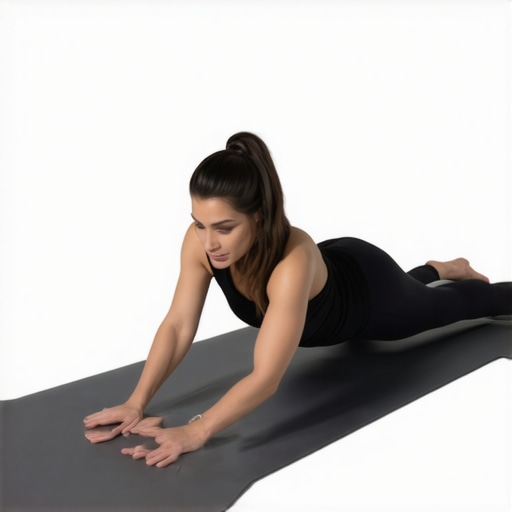 Many believe that chiropractic care is all about quick fixes or that it’s only necessary when pain becomes unbearable. However, this oversimplification overlooks the complexities of spinal health and mobility. In my experience working with clients, I’ve seen how misconceptions can lead to ineffective treatment and prolonged discomfort.
One common myth is that once your pain subsides, you’re fully recovered. But the truth is, underlying issues like muscle imbalances or joint restrictions often persist unnoticed, causing recurrence. Relying solely on immediate symptom relief without addressing root causes can set you up for future setbacks. For example, the misconception that stretching alone will resolve all neck and back issues overlooks the importance of targeted therapy and proper alignment. I’ve found that combining chiropractic adjustments with specific mobility exercises, such as those outlined in this guide, yields sustainable results.
Why Do We Fall for Simplistic Solutions That Don’t Work Long-Term?
People tend to seek quick fixes because they want immediate relief, but these often ignore the nuanced biomechanics of the spine. For instance, addressing only the superficial pain point without correcting neuromuscular patterns can exacerbate issues over time. An advanced trap is believing that chiropractic adjustments alone can permanently fix mobility concerns without active participation in strengthening and stabilizing exercises. According to a comprehensive review in the *Journal of Manual & Physiological Therapeutics*, combining adjustments with mobility and strength training produces superior long-term outcomes (see here).
Another flawed assumption is that pain is always a reliable indicator of injury severity. Sometimes, minor discomfort can signal significant underlying dysfunction. Conversely, the absence of pain doesn’t necessarily mean everything is fine; structural issues might simmer beneath the surface. This discrepancy underscores the importance of proactive assessments rather than reactive treatments. It’s crucial to understand that real progress involves a holistic approach: addressing joint restrictions, muscular imbalances, and movement patterns simultaneously.
Maintaining your progress in chiropractic care and mobility work isn’t a set-and-forget task. It involves consistent use of specific tools, strategic routines, and a mindset geared towards sustainability. From my experience working with clients, I’ve found that investing in quality equipment and adopting proven methods can significantly extend the benefits of your efforts and prevent regressions.
High-Quality Resistance Bands are my go-to for ongoing glute activation and hip stabilization exercises. I prefer the thicker, loop-style bands because they provide consistent tension and durability over time. Personally, I incorporate them into my daily routine by doing lateral walks and hip abductions, which help reinforce muscular balance, vital for maintaining proper gait and posture. Research indicates that resistance bands outperform traditional weights for activating smaller stabilizer muscles, making them invaluable for long-term mobility maintenance.
Foam Rollers remain essential for my personal recovery protocol. I recommend a dense foam roller with a textured surface, which helps target deep muscle tissues like the psoas and quadratus lumborum. Regularly rolling out these areas prevents chronic tightness and improves tissue elasticity. In my practice, I guide clients to focus on gentle, sustained pressure, especially around common problem areas, as seen in this article.
Smartphone Apps and Video Recordings are underutilized tools I recommend for self-monitoring. Recording your exercises enables you to check form and make necessary adjustments proactively. I use simple apps that allow quick video playback, which, over time, helps ensure proper technique and avoid compensatory patterns that could undermine progress. With technology advancing, I expect that AI-powered motion analysis will become standard, offering real-time feedback and tailored adjustments for sustained improvements in mobility.
Scheduled Maintenance Routines have made a tangible difference. Setting fixed weekly sessions dedicated to mobility drills or self-assessment keeps your body’s adaptability high. I personally block 15-minute intervals on my calendar, aligning with the advice found at this resource. Maintaining consistency mitigates the risk of relapse and ingrains healthy movement patterns into daily life.
Looking ahead, I believe that wearable technology integrated with biofeedback will revolutionize how we monitor and maintain spinal health. Devices that provide real-time posture alerts and muscle engagement data will empower individuals to correct habits instantly, making long-term maintenance more effortless and intuitive.
How do I keep my mobility work effective over time?
Focus on integrating versatile tools like resistance bands and foam rollers into a routine that adapts as your body evolves. Regular self-assessment with video recordings, coupled with professional guidance when needed, ensures that your technique remains optimal. Remember, long-term success depends on consistency, informed adjustments, and embracing emerging technology. For advanced tips on maintaining neck and back health using proven methods, check this guide. I encourage you to try incorporating a resistance band session into your routine today—it’s a simple step that can make a lasting difference.
The Hardest Lesson I Learned About chiropractic,mobility,neck pain,back pain
One of my most profound realizations was that overlooking small muscle weaknesses, like the glutes, can sabotage your entire mobility journey. It taught me that progress isn’t just about big exercises but paying attention to tiny, often neglected muscles that hold the real power for movement and pain relief.
3 Myths About chiropractic,mobility,neck pain,back pain That Held Me Back
I used to believe that stretching alone could fix muscle imbalances or that chiropractic adjustments are quick fixes. Dispelling these myths revealed that consistent strengthening and mindful movement are essential for lasting results, not just temporary relief.
What Experts Won’t Tell You About chiropractic,mobility,neck pain,back pain
Many professionals agree that addressing root causes like muscle imbalances and proprioception issues provides superior, long-lasting improvements. It’s a reminder that healing requires a comprehensive approach—combining therapy, exercises, and awareness—beyond superficial treatments.
Curated Tools to Elevate Your Mobility Game
My go-to resources include high-quality resistance bands, which I trust for their durable tension and effectiveness in activating stabilizer muscles. Foam rollers are indispensable for tissue health, helping me and my clients relieve tightness in deep muscles. Using smartphone apps for form checks ensures proper technique, making each movement count. Regular use of these tools has been transformative in my journey and can be for you too.
Your Next Step Toward Pain-Free Living
Embrace the small yet powerful habits and tools that can revolutionize your mobility and reduce pain for good. Remember, consistent, mindful action today sets the foundation for a healthier, more confident stride tomorrow. Your effort now is an investment in your long-term well-being—don’t wait to take that first step.