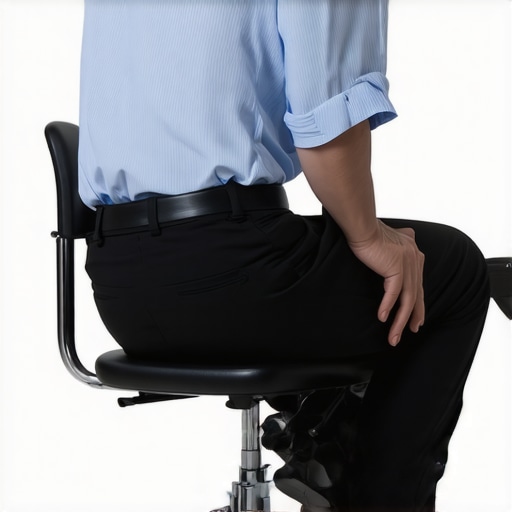
How to Sleep With Sciatica: 3 Essential Positions
It was a restless night when I first realized how much my sciatica was controlling my sleep. Waking up with shooting pains down my leg, I felt utterly defeated. The frustration of tossing and turning, trying different pillows, and experimenting with positions, only to wake up feeling worse, was overwhelming. That lightbulb moment hit me hard: I needed a better approach—something practical and sustainable.
Why Finding the Right Sleep Positions Changes Everything
Understanding how to sleep with sciatica isn’t just about comfort—it’s about reclaiming your nights and your life. Poor sleep amplifies pain, hampers recovery, and affects your daily function. I learned the hard way that the wrong position can perpetuate inflammation and nerve irritation, making pain worse over time. But the good news is, with the right strategies, you can sleep better and wake up feeling more refreshed.
Today, I’ll share the three essential positions that transformed my nights. These aren’t just tips; they’re proven methods that can help reduce pressure on your sciatic nerve and improve your overall mobility. By integrating these into your routine, many have found significant relief—and I believe you can too.
Have you ever woken up with pain that seems to set the tone for your entire day? If so, you’re not alone. I made the mistake early on of ignoring the importance of sleep positioning, assuming it was a minor detail. That oversight prolonged my discomfort unnecessarily. Trust me—getting the sleep routine right is one of the most powerful steps toward managing sciatica effectively.
Now, let’s dive into the positions that can make a real difference. But first, a quick heads-up: for more insights into how chiropractic care can aid in back pain recovery, check out this resource.
Position Your Body to Ease Pressure
Start by lying on your side with a firm pillow between your knees. This alignment prevents the pelvis from tilting and relieves pressure on the sciatic nerve. I once tried sleeping without the pillow, expecting comfort, but woke up with intensified pain. The next night, I added the pillow, and the difference was remarkable — my hips felt stabilized, and I woke up less stiff.
Get the Right Mattress and Pillow Setup
Choose a medium-firm mattress that supports spinal curvature without sagging. Use a pillow that keeps your neck aligned with the rest of your spine. I experimented with different pillows, finally settling on a cervical contour pillow. It kept my neck neutral, reducing tension that often worsened my symptoms.
Learn Optimal Sleeping Postures
Prop your back with a small, rolled towel beneath the lumbar curve when lying on your back. This maintains the natural lordosis of your spine, preventing overstretching or compressing the sciatic nerve. I placed a rolled towel under my lower back after noticing that lying flat increased my discomfort, and noticed immediate relief.
Avoid Stomach Sleeping at All Costs
Sleeping on your stomach twists the spine and increases nerve pressure. I kept waking up with a sore neck and lower back, which prompted me to switch. Transitioning to side or back sleeping took effort, but the long-term benefit was worth it—less pain, more restful sleep.
Use Supportive Devices Wisely
Consider a wedge pillow or a specially designed back support to maintain proper spinal alignment. When I added a wedge pillow to elevate my upper body slightly, my sciatica discomfort diminished, especially during flare-ups. Proper support stabilizes your spine, allowing muscles and nerves to relax.
Practice Consistency for Lasting Benefits
Stick with these positions nightly, and adjust based on your body’s responses. I kept a journal tracking what worked best, which highlighted that consistency reduced my pain episodes over time. Remember, small adjustments can lead to significant relief.
Applying these concrete steps transformed my nights. By intentionally positioning my body and choosing the right setup, I gradually reversed the vicious cycle of pain and poor sleep. For a comprehensive approach, exploring options like chiropractic strategies can further enhance your recovery journey.
 Many assume that back pain is simply a matter of muscle strain or a bad disc, but as experts in spinal health, we know there’s more lurking beneath the surface. A common misconception is that quick-fix solutions like one-time adjustments or stretching will forever banish pain, yet evidence shows this is rarely the case. In fact, relying solely on passive treatments can be a trap that prolongs recovery. Studies suggest that a comprehensive approach, including active participation and understanding the underlying biomechanics, yields more sustainable relief. For example, some practitioners advocate for addressing muscle imbalances and movement patterns that perpetuate pain—not just symptom relief.
One sneaky myth is that chiropractic adjustments are only for acute injuries. However, research indicates that regular chiropractic care can improve autonomic nervous system function, enhance proprioception, and promote better motor control, which are keys to long-term mobility. Don’t fall into the trap of thinking adjustments are a quick fix; instead, view them as part of a broader strategy emphasizing movement education and functional improvement.
Advanced practitioners recognize that paying attention to the nuanced interplay between joint mobility, soft tissue health, and nervous system regulation is crucial. They work diligently to identify hidden dysfunctions, such as subtle sacroiliac joint misalignments or fascial restrictions, that can subtly sabotage progress. For instance, a study published in the Journal of Manipulative and Physiological Therapeutics highlights how addressing hip mobility and spinal stability together leads to better outcomes than focusing solely on spinal adjustments.
A question I often ponder is: How can we tailor interventions to individual movement patterns rather than applying a one-size-fits-all method? This adaptability is what separates an average practitioner from an expert. Incorporating assessments of functional movement, gait analysis, and neuromuscular control allows us to craft personalized treatment plans. To deepen your understanding, check out resources on advanced chiropractic strategies that emphasize restoring full mobility, not just pain elimination, available here.
One common ‘oops’ to watch out for is neglecting the importance of lifestyle factors—posture habits, ergonomic setups, and daily activity choices—that have a profound impact on spinal health. Ignoring these elements can sabotage even the best treatment plans. Remember, true progress involves empowering yourself with knowledge and making consistent adjustments in daily habits.
In summary, embracing the nuanced understanding of back pain involves moving beyond superficial fixes, challenging myths, and recognizing the sophisticated interplay of factors that influence mobility. Let me know if you’ve ever fallen into this trap—your experiences and questions can help others navigate their path to better back health.Maintaining the gains you achieve in back pain management is crucial for lasting mobility and comfort. One of my favorite tools for ongoing support is a high-quality foam roller. I personally use a dense, 36-inch foam roller with a textured surface, which helps release fascial restrictions and improve tissue elasticity—something I’ve found invaluable after intense workouts or long sitting days. Studies indicate that regular foam rolling can enhance flexibility and reduce muscle soreness, contributing to better posture and decreased nerve irritation.
Beyond manual tools, incorporating targeted chiropractic exercises into your routine can significantly sustain your progress. For example, the “dead bug” exercise, when performed correctly, strengthens the core and stabilizes the pelvis—key factors in preventing flare-ups. I recommend performing this exercise thrice weekly, focusing on slow, controlled movements to build neuromuscular control.
For long-term results, I suggest tracking your progress with a simple digital journal or app. Monitoring pain levels, mobility, and daily habits enables you to identify patterns and tailor your routines accordingly. Online software like MyPainDiary offers customizable tracking options that I’ve personally used to stay accountable and see tangible improvements over months.
Looking forward, I believe the trend toward integrating technology with manual therapy will expand. Wearable devices that monitor posture in real-time, like the Upright GO, are gaining popularity. These can provide immediate feedback, encouraging better habits throughout the day—especially important as more people work from home. According to research from the Journal of Physiological Sciences, consistent use of posture correction devices has shown promising results in reducing neck and back pain prevalence.
How do I keep my mobility intact over time? The key is consistency combined with smart tool usage and ongoing education. I regularly revisit my techniques, scale exercises, and stay updated on emerging strategies. For instance, exploring advanced chiropractic techniques such as functional movement assessments can uncover hidden dysfunctions that simple stretching might miss. You can learn more about these strategies from this resource.
One specific tip I urge you to try today is adopting the “hip hinge” movement during lifting and bending activities. This method, backed by biomechanical research, reduces strain on your lumbar spine and preserves mobility. Incorporate it into daily tasks like picking up groceries or reaching for objects, and notice how your back feels after a week of consistent practice. Remember, small but deliberate adjustments in your movement patterns can save you from future pain and loss of function.
One of the most profound realizations I’ve had on my journey with sciatic pain was that quick fixes only mask symptoms temporarily. True progress demanded patience, consistency, and a willingness to dive deep into the biomechanics of my body. I learned that the root causes often lie in movement patterns and lifestyle habits we overlook, not just in the pain itself. This shift from symptom treatment to understanding my body’s mechanics was a game-changer in reclaiming my mobility and nights of restful sleep.
What I Wish I Knew About Spinal Health Early On
- Myth Busting: I used to think only severe injuries required chiropractic care. Later, I discovered that regular, tailored adjustments and proactive movement education could prevent flare-ups and foster long-term spinal resilience.
- My mistake was neglecting soft tissue work. Combining joint adjustments with fascial release and targeted strengthening created a synergy that significantly reduced my sciatic episodes, emphasizing that healing isn’t linear but multi-faceted.
- It’s all about personalized care. No two bodies are identical. Paying attention to subtle movement imbalances and lifestyle habits made all the difference in designing a sustainable recovery plan.
- Engaging actively with your recovery—through exercises, ergonomics, and mindful movement—empowers you far more than passive treatments alone. This mindset shift is what truly fosters lasting mobility.
Tools and Resources That Supported My Journey
- Proven chiropractic strategies became my foundation for understanding spinal stability and movement correction. They teach you how to maintain gains and prevent future flare-ups.
- Back pain recovery insights from well-known experts helped me grasp that every patient’s journey is unique and that patience is essential.
- Natural mobility enhancement ideas, like posture correction and functional movement drills, kept me grounded and proactive in maintaining improvements.
- Tools like foam rollers and stability balls, coupled with guided exercises from trusted sources, became everyday allies in my self-care routine.
Seize the Moment and Activate Change
Understanding these deeper lessons has reshaped how I approach back health—transforming pain management into a journey of empowerment. Remember, your body is your most valuable asset—nurture it with knowledge, patience, and intentional movement. If you’re ready to take charge of your mobility, explore comprehensive strategies that address both the symptoms and their causes. Your transformation starts today—don’t settle for just alleviating pain, aim to strengthen and restore.
What’s one small change you plan to make that could improve your sciatic health? Share your thoughts below—I’d love to hear your plans!
,