Why Your Bike Seat Might Be Causing That Lower Back Flare-Up
One morning I hopped on my bike, feeling eager for a quick ride, only to be met with sharp lower back pain that refused to go away. It was a lightbulb moment for me—my trusty bike seat might be the sneaky culprit causing that stubborn flare-up. After countless frustrating rides and visits to the chiropractor, I realized that something as simple as adjusting my seat position made a world of difference. If you’ve ever experienced that nagging lower back discomfort after cycling, you’re not alone. Many bikers overlook the importance of proper seat setup, unknowingly setting themselves up for pain and limited mobility.
The Hidden Link Between Your Bike Seat and Back Pain
Most of us focus on the road ahead or the thrill of the ride, but your bike’s setup holds the secret to pain-free cycling. A poorly adjusted seat can lead to excessive strain on your lower back, especially if your posture isn’t properly aligned. This isn’t just about comfort—it’s about preventing long-term damage that can affect your daily mobility.
Proper bike seat positioning can help you avoid the cycle of pain and regain control over your riding experience. When I first started paying attention to my seat height and tilt, my back pain diminished significantly. It’s not a one-size-fits-all solution; small tweaks tailored to your body can make a dramatic difference. Curious about how to optimize your bike setup? Let’s dive in and discover the adjustments that can turn your pain session into a pain-free ride.
Is the Hype About Seat Adjustments Overblown?
Early in my journey, I made the mistake of assuming that seat adjustments were minor details. I brushed it off, thinking, “It’s probably not that important.” But I soon learned that overlooking this simple step was a huge mistake—an insight backed by research indicating that proper saddle position can reduce back strain and improve overall cycling efficiency.
Effective neck pain management is not just for office workers. It turns out that ergonomic bike setup is crucial for both comfort and long-term spine health. So, are you ready to learn the secrets to a pain-free ride? Stay with me—you’ll be surprised how small changes have big impacts.
Start with the Right Height
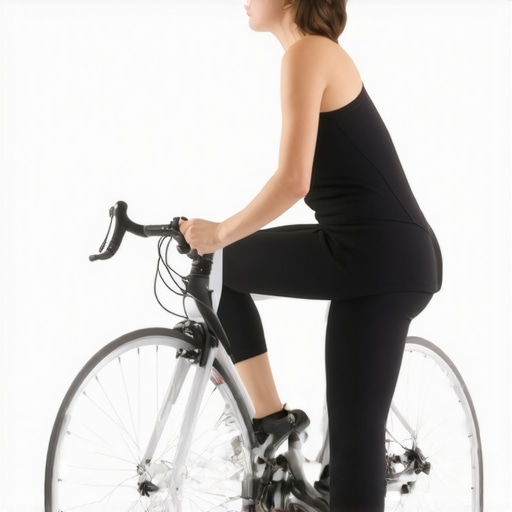
Set your saddle height so that when you sit on your bike and place your heel on the pedal at the lowest point, your leg is completely straight. This might feel slightly high at first, but it’s the baseline for ergonomic positioning. I remember once setting mine too low and experiencing immediate lower back strain; raising it just a few millimeters made a noticeable difference.
Fine-tune the Seat Tilt
Adjust the saddle tilt so that it’s level or slightly tilted forward—never downward, which can cause you to slide forward and strain your back. A slight tilt forward encourages proper pelvis alignment, reducing lumbar stress. During my first test ride after adjustment, I felt a lighter, more balanced ride, and my back pain lessened significantly.
Position the Fore-Aft Saddle Adjustment Carefully
Move the saddle forward or backward so that when your pedals are at 3 and 9 o’clock, your knee is directly above the pedal’s axle. Use a plumb line from your kneecap to the pedal center to check alignment. I once ignored this step, and my knee drifted past the pedal, causing lower back tension. Precise positioning kept my spine aligned, minimizing pain.
Pay Attention to Handlebar Height
Raise your handlebars slightly if you experience lower back tightness, as leaning too far forward increases lumbar load. Conversely, lowering them can reduce upper body strain. I experimented by lowering and raising my bars in tiny increments, finding that a higher position eased my back issues during long rides. Small adjustments are key, so don’t hesitate to tweak frequently.
Use Visual Aids for Precision
Refer to online tutorials or use a mirror to check your position from different angles. Alternatively, recording your setup with your phone helps identify misalignments. I once recorded myself riding, and the footage revealed my hips shifting uncomfortably—correcting this eliminated my back pain.
Incorporate Regular Breaks and Stretches
Even with perfect setup, taking short breaks every 20-30 minutes and stretching your lower back and hips can prevent stiffness. Simple seated pelvic tilts or hamstring stretches help maintain flexibility and spinal health. During my outdoor rides, I paused periodically, which kept my muscles relaxed and pain-free.
Consult a Professional When Needed
If adjusting the seat doesn’t resolve your lower back discomfort, consider visiting a specialist. A chiropractor or bike-fitting expert can analyze your anatomy and tweak your setup precisely. I found that a professional assessment improved my comfort levels drastically, and I now cycle pain-free. For personalized guidance, check out contact a trusted expert to optimize your bike fit and spinal health.
Many people believe that chiropractic care is a quick fix for back and neck pain, but the reality is far more nuanced. A common misconception is that all pain relief comes solely from adjustments, ignoring the critical role of comprehensive lifestyle changes. For instance, research shows that combining chiropractic manipulation with targeted exercises enhances long-term recovery, rather than relying on adjustments alone. Over-relying on adjustments without addressing underlying habits can lead to persistent issues or even new misalignments. An advanced mistake is assuming that pain always indicates a structural problem needing manipulation, but sometimes, pain stems from nerve irritation or inflammatory processes that require different approaches. For example, a misdiagnosed disc issue might be temporarily alleviated with adjustments, but if the root cause isn’t addressed, symptoms often recur. That’s why integrating strategies like mobility improvement and proper ergonomics is essential.
What should I focus on if my back pain persists despite chiropractic adjustments?
Persistent back pain despite regular chiropractic visits might indicate the need for a broader assessment. Sometimes, subtle issues such as psoas muscle tightness or pelvic misalignment contribute significantly to ongoing discomfort, which adjustments alone can’t resolve. In my experience, a holistic approach—including scar tissue release techniques and tailored stretching—can make a substantial difference. For deeper insights, explore our proven strategies for back pain relief. It’s also vital to consider lifestyle factors like sitting habits, sleep position, and hydration, which profoundly influence spinal health. Avoid the trap of thinking chiropractic is a standalone solution; instead, view it as part of a comprehensive plan to restore mobility and reduce pain sustainably.
Understanding the common pitfalls and nuanced aspects of chiropractic treatment can save you time and frustration. Misconceptions such as believing adjustments are instant cures or ignoring the importance of movement and ergonomics can hinder progress. Always remember that effective back health management involves education, proactive habits, and sometimes, a multidisciplinary approach. For personalized guidance that integrates these elements, don’t hesitate to reach out to a trusted professional. Confronting these hidden nuances now prepares you to make informed decisions towards better spinal health. Have you ever fallen into this trap? Let me know in the comments.
Achieving and maintaining long-term back health and mobility requires more than just good habits; having the right tools can make all the difference. Over the years, I’ve refined my toolkit to include specific equipment and techniques that support my ongoing spinal wellness. One of my favorites is a high-quality foam roller, which I use daily to release muscle tension and improve my flexibility. Unlike cheaper alternatives, my preferred foam roller has a textured surface that targets trigger points effectively, helping prevent stiffness and pain from creeping back.
Another indispensable tool is a posture-correcting device, such as a lumbar support brace or a smart posture trainer. These devices provide real-time feedback when your alignment starts to slip, reinforcing good habits during daily activities and work. I’ve personally found that a posture trainer coupled with a dedicated set of stretches dramatically reduces neck and upper back discomfort, especially during long hours at the desk.
To complement physical tools, I rely heavily on specific software for guided mobility routines. Apps like Revitalize Your Mobility provide customized exercise plans based on your unique needs, ensuring consistency and progression over time. These digital solutions are particularly valuable for maintaining motivation and tracking improvements, aligning with the future trend toward personalized, tech-enabled spinal health management.
How do I keep my back in shape long-term?
Beyond using physical tools, maintaining mobility and strength requires integrating regular, targeted exercises into your routine. I recommend setting aside 10 minutes daily for mobility drills—focusing on hip hinge, pelvic tilts, and gentle stretches—to reinforce healthy movement patterns. Combining these practices with periodic professional assessments can prevent deterioration and help catch issues early.
One advanced technique I suggest trying is neuromuscular re-education, which retrains your nervous system to activate correct muscle groups. For example, engaging in controlled stabilization exercises enhances your body’s ability to support your spine dynamically. This approach is supported by research indicating that neuromuscular training can significantly improve back stability and reduce pain recurrence (source).
Looking ahead, I believe wearable technology and biofeedback devices will become increasingly central to long-term back health maintenance. They promise real-time insights into your posture and movement habits, making proactive adjustments easier than ever. For now, integrating tools like a foam roller and a posture trainer into your daily routine can set you on a path toward lasting mobility.
Are you ready to take your back health to the next level? Try incorporating a targeted mobility routine with a foam roller and a posture-correcting device today. Small, consistent steps lead to lasting change, and these tools are a great starting point. For expert guidance tailored to your needs, consider consulting a specialist—get in touch with us through our contact page.
The Unexpected Wisdom I Gained From Personal Setbacks
One pivotal moment was realizing that even small misalignments in my bike seat could cascade into days of discomfort. I learned that listening to my body’s subtle cues—like a slight twinge or misbalance—was a game-changer in preventing chronic pain. Sometimes, the most overlooked details, like saddle tilt or handlebar height, harbor the key to sustained relief. Recognizing that pain isn’t just a fleeting annoyance but a language my body uses to communicate hidden misalignments transformed my approach to mobility.
Another lesson was understanding that quick fixes don’t create lasting solutions. Regularly revisiting and fine-tuning my setup reinforced that spinal health is an ongoing conversation, not a one-time adjustment. The importance of integrating ergonomic awareness into daily routines, whether cycling, sitting, or sleeping, cannot be overstated. These insights remind us that the road to pain-free mobility is paved with curiosity and patience.
My Arsenal of Tools for a Pain-Free Living
From high-quality foam rollers that melt away muscle tension to smart posture trainers signaling when I drift into poor alignment, my toolkit is curated for long-term success. The Revitalize Your Mobility app has been a personal game-changer, offering tailored routines that adapt to my evolving needs. I trust these resources because they are rooted in evidence and real-world results, making my journey toward mobility sustainable and enjoyable.
Books and expert consultations have also played a vital role, especially those shedding light on the symbiotic relationship between posture and pain. Adopting these tools isn’t just about immediate relief; it’s about crafting a resilient foundation that supports me through life’s ups and downs. My advice? Invest in quality and knowledge—your back deserves nothing less.
Keep Moving Forward—Your Back Will Thank You
The path to enduring back health is a personal voyage, but it’s navigable with the right mindset and tools. Incorporate daily mobility practices, stay informed about ergonomic trends, and don’t hesitate to seek professional guidance when needed. Every small effort compounds into significant progress, turning the frustrating cycle of pain into a story of resilience and vitality. Remember, your journey toward a healthier back begins today, and the rewards are worth every step. Ready to embrace a pain-free future? Start with one simple change, and watch how it transforms your mobility.
What has been your biggest surprise when adjusting your bike or workspace for better back health? Share your experience below and let’s learn together!
,