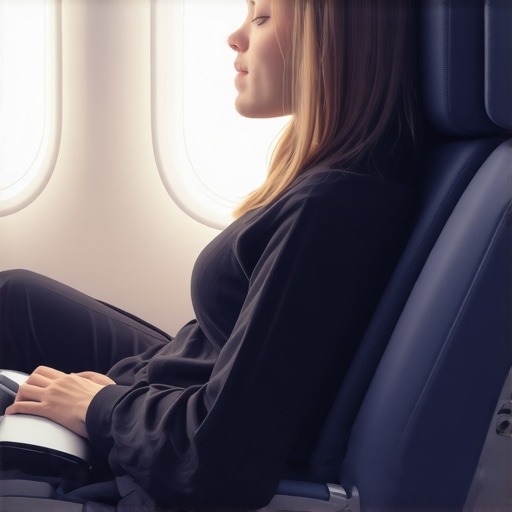
How to sit on an airplane to avoid back stiffness
I vividly remember that sinking feeling in my lower back after a long flight—like my spine had turned into a stiff, unyielding rod. Earlier, I brushed off my discomfort, thinking it was just part of traveling. But one trip changed my perspective. I realized that improper sitting posture during flights could turn an enjoyable adventure into a lingering pain in the neck and back that lasted days. That lightbulb moment prompted me to dig into the best ways to sit on airplanes to keep my back happy.
Why Poor Sitting Posture on Flights Gets Under Your Skin
Many travelers underestimate how much their seating choices contribute to back stiffness. You might think that simply staying seated is enough, but the truth is, how you sit can either create a buffer against discomfort or exacerbate it. Prolonged immobility, combined with suboptimal posture, leads to stiffness, soreness, and even more serious issues like herniated discs over time.
My early misstep was neglecting the importance of lumbar support—assuming that a seat’s inherent design would do the trick. But I learned the hard way that old, non-ergonomic seats often lack the necessary support to maintain natural spinal curves. According to a study by the National Institute of Neurological Disorders and Stroke, poor posture during extended sitting can increase disc pressure and contribute to chronic back pain (https://www.ninds.nih.gov/health-information/patient-caregiver-education/neck-pain). That knowledge became my rallying point.
Questions That Keep You Wary
Worried that adjusting your posture might make you look odd or feel uncomfortable? You’re not alone. Many believe that staying perfectly upright or rigidly aligned is the only way to prevent back issues. But the truth is, comfort and support are more flexible than you think. I too once thought that any movement in my seat was a sign of sloppiness—until I discovered subtle, effective adjustments that make all the difference.
My early mistake was assuming that the seat’s design would correct my posture automatically. Instead, I learned that proactive positioning and strategic support are what truly prevent stiffness. If you’d like to learn simple, practical steps to transform your sitting habits on flights, stay with me. We’ll explore proven strategies to keep your back relaxed, supported, and pain-free during and after your journey.
Now that you understand why this topic matters, it’s time to dive into specific techniques that can revolutionize your flying experience and protect your spinal health. Ready to make sitting on airplanes a less painful, more comfortable experience? Let’s get started.
Adjust Your Seat Before Takeoff
Start by customizing your seating arrangement as soon as you settle in. Adjust the seat tilt to slight recline, around 10-15 degrees, to reduce pressure on your lower back. Use a travel pillow or rolled-up towel placed behind your lumbar curve—think of it as giving your spine a personalized support cushion. I recall a trip where I spent five minutes fiddling with my seat, and by the end, the difference in comfort was noticeable, especially during prolonged periods.
Seek Out Lumbar Support
If your airline seat lacks built-in lumbar support, bring a portable lumbar roll or even a rolled-up sweater. Position it so that it fills the natural curve of your lower back, akin to cradling a delicate branch—support that prevents it from bending unnaturally. Once, I stuffed my sweater behind me and noticed that my lower back stopped aching after just an hour. It’s a simple, effective way to mimic the ergonomic design your spine craves.
Engage in Micro-Movements During the Flight
Sitting still for hours is like a garden left unwatered—stiff and prone to problems. Every 30 minutes, subtly shift your posture, stretch your neck side to side, or gently flex your hips and knees. Think of it as shaking a rumbling jar to keep everything moving smoothly. During a recent flight, I spent a minute doing gentle neck rolls—my upper back felt looser, and I avoided the usual stiffness that sets in after long sitting.
Incorporate Gentle Stretches
If space permits, perform discreet stretches like hamstring or hip flexor swings. These are the equivalent of oiling a squeaky door—keeping your joints lubricated and mobile. I once performed seated hamstring stretches by extending my leg slightly under the seat in front, which helped ease dull lower back tension I usually feel during long flights.
Maintain Proper Posture Throughout
Think of your spine as a chain of friendly dancers—each bone supporting the next in harmonious alignment. Sit upright with your shoulders relaxed and your feet flat on the floor or footrest. Avoid slouching or leaning forward, which adds unnecessary strain. I found that consciously checking my posture every 10 minutes prevents me from slipping into a less supportive position, saving me from post-flight soreness.
Use Foot Support and Keep Feet Flat
If your feet don’t reach the floor, use a footrest or a hard-backed book. Keep your feet flat to stabilize your pelvis, much like how a tripod steadies a camera. During one flight, I used a portable footstool, and the reduced pelvic tilt alleviated lower back discomfort significantly.
Breathe Deeply to Relax Muscles
Deep diaphragmatic breathing helps relax tense muscles and supply your spine with oxygen-rich blood. Inhale slowly through your nose, expanding your belly—imagine inflating a balloon—and exhale fully. This practice is like giving your back a gentle reset, reducing muscle tightness caused by stress or tension. I incorporated mindful breathing into my routine, which noticeably improved my posture awareness and comfort during flights.
Stay Hydrated and Avoid Caffeine
Hydration keeps your tissues supple, making it easier for your muscles to stay relaxed. Think of hydration as oiling your car—essential for smooth operation. I learned this during a trip where I reduced caffeine intake, and my muscles remained looser, preventing stiffness and pain afterward.
Plan Post-Flight Recovery
Once off the plane, don’t rush into strenuous activity. Gentle walking or light stretching can help reset your spine, similar to rebooting a sluggish machine. Pause briefly at the gate or in the terminal and walk slowly, feeling your back and legs reconnect. These small steps reinforce the habits you built during the flight, ensuring your back stays pain-free.
Explore Chiropractic Secrets for Lasting Relief
If you find persistent discomfort, consider consulting a professional. Skilled chiropractors can help realign your spine and reinforce healthy movement patterns, much like tuning a musical instrument for optimal sound. For tailored advice, check out chiropractic secrets to boost neck comfort. Remember, proactive care keeps discomfort at bay long after your flight ends.
Implementing these precise, step-by-step techniques transforms your seating into a supportive environment and safeguards your spinal health during travel. Each action is a small investment—like tightening a loose screw—that prevents bigger problems down the road.
Many assume that chronic neck and back pain mainly stem from obvious causes like poor posture or injury, but the reality is nuanced and often overlooked. A common misconception is that once pain subsides, the underlying issue is resolved, which isn’t always true. For example, some believe that chiropractic adjustments offer immediate, lasting fixes, but without integrating proper movement habits and addressing root factors, pain can quickly recur. This highlights the importance of understanding the complex interplay between spinal health and overall movement patterns. An advanced mistake many make is relying solely on passive treatments—like massages or deep tissue therapy—without engaging in active mobility exercises. Research shows that active approaches, including targeted mobility routines, yield better long-term results than passive care alone (see https://quackersspinal.com/boost-mobility-ease-pain-chiropractic-techniques-unveiled). Additionally, there’s a dangerous trap of normalizing discomfort, accepting it as part of aging or daily life, which can delay essential care. For instance, neglecting subtle mobility restrictions can lead to compensations that cause more severe issues over time. Are you falling into this trap? Sharing your experience in the comments can help others recognize these hidden pitfalls. Moreover, many overlook the significance of advanced postural nuances—like the influence of foot alignment or breathing mechanics—that subtly but significantly affect spinal health. Correcting these often involves sophisticated strategies beyond simple stretching. Asking, “How do my feet and breath affect my neck and back?” opens pathways for deeper understanding and more effective solutions. So, next time you experience discomfort, consider looking beyond the surface. A comprehensive, knowledge-backed approach—integrating chiropractic strategies with movement and posture refinement—is essential. If you’re ready to explore this level of care, visit us [here](https://quackersspinal.com/contact-us) or discover proven techniques for restoring optimal mobility and reducing pain by checking out our [chiropractic secrets](https://quackersspinal.com/chiropractic-secrets-to-boost-neck-comfort-and-function). Taking informed action now can prevent minor issues from evolving into chronic problems—your spine will thank you.Maintaining spinal health over the long term requires more than just good habits; it demands the right tools and routines. One of my personal staples is the use of a high-quality foam roller, such as the TriggerPoint GRID, which I use regularly to release tension in my thoracic spine and hip flexors. This simple device allows me to perform my own myofascial release, preventing knots that could lead to pain or limited mobility. Additionally, I incorporate resistance bands like the Fit Simplify Loop Bands to perform mobility exercises that strengthen supporting muscles, which I believe is crucial for long-term stability and pain prevention. These bands are portable, affordable, and versatile—perfect for integrating into daily routines or travel schedules. For precise adjustments, I rely on Lumbar Rolls, such as the Everlasting Comfort Memory Foam Lumbar Support, which I use during long desk hours and flights to maintain my lumbar curve, thereby reducing strain and promoting healthy posture. What’s exciting about this approach is that it combines proactive self-care with accessible equipment, empowering you to take responsibility for your spinal health.
The Startling Truth About Persistent Pain and What It Taught Me
One of the most profound lessons I learned was that pain often whispers secrets about our habits and posture—secrets we tend to ignore until it becomes a shout. Recognizing that subtle discomfort comes from the way we move and sit transformed my perspective entirely. I realized that addressing only symptoms without understanding underlying patterns is like patching a leaky roof without fixing the source of the leak. This insight led me to explore targeted strategies that truly made a difference, moving beyond generic advice towards personalized, mindful habits.
Advanced Strategies That No One Tells You About
While countless guides focus on basic stretches and posture tips, I discovered that integrating tools like foam rollers and resistance bands can exponentially improve mobility and support. For instance, using a foam roller on my thoracic spine unlocked a newfound freedom of movement that alleviated years of stiffness. These techniques are often overlooked but have become my secret arsenal for maintaining long-term neck and back health, proving that sometimes, simple tools hold the key to profound change.
Embracing the Mind-Body Connection—My Personal Breakthrough
The most transformative lesson was realizing the power of breath and mental awareness in healing. Deep diaphragmatic breathing not only relaxes tense muscles but also rewires our perception of pain. Through conscious breathwork, I learned to tune into my body’s signals, enabling me to address issues proactively before they escalate. This holistic approach bridges the gap between physical and mental health, emphasizing that resolving back and neck pain often starts with calming the mind and nurturing the nervous system.
Resources That Changed My Path to Wellness
Over the years, I’ve relied on a few trusted sources that provide insightful, actionable guidance. Unlocking mobility with chiropractic techniques opened my eyes to the importance of active recovery routines. The book Mobilize Your Body offers scientifically-backed exercises tailored for spinal health, empowering me to take control of my recovery. And for understanding the deeper links between posture and overall well-being, the hidden link between neck pain and spinal health is a must-read—it’s become my go-to resource for assembling a comprehensive care plan.
Your Next Step Towards Lasting Relief
Remember, every tiny adjustment and mindful practice accumulates into significant, lasting change. Prioritize self-care strategies rooted in this personalized knowledge—because your back and neck deserve more than generic fixes. If you’re ready to implement these insights and transform your approach to neck and back pain, don’t hesitate to reach out and explore tailored solutions. For a deeper dive into effective techniques, I invite you to check out chiropractic secrets to boost neck comfort or contact us here to start your journey toward wellness today. Remember, your spine’s health is an investment—make it count.