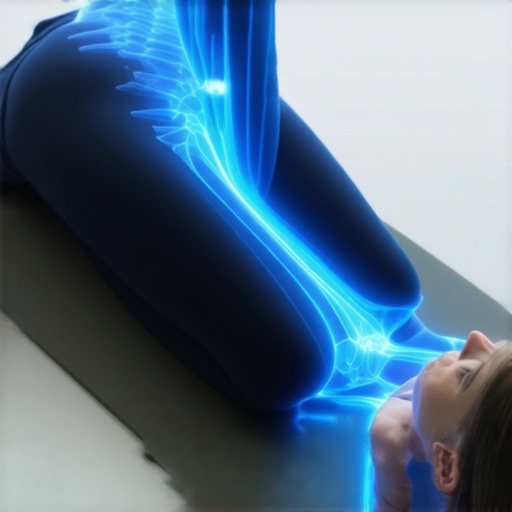
The Deadlift Setup That Protects Your Lower Lumbar
I remember the exact moment I felt that familiar stabbing pain in my lower back after a heavy deadlift. It was like a lightning bolt shooting through my lumbar region, and suddenly, every lift felt risky—not just for my progress but for my long-term health. That lightbulb moment made me realize I’d been neglecting one crucial aspect: my deadlift setup and how it safeguards my lower lumbar.
Why Protecting Your Lower Lumbar Matters During Deadlifts
If you’ve ever pushed yourself in the gym, you’ve probably experienced that nagging fear—a sudden back tweak or lingering discomfort that refuses to go away. What’s often overlooked is how your deadlift technique can either reinforce spinal health or set you up for injury. The lower lumbar spine, or your lower back, acts like a sturdy foundation; if it’s compromised, every movement becomes unstable, increasing the risk of strains or more serious disc issues. It’s like building a house on a shaky foundation—eventually, everything suffers.
Is Conventional Wisdom Enough or Are We Missing Something?
Early in my lifting journey, I mistakenly believed that simply engaging my core and keeping a straight back was enough. I didn’t realize that slight misalignments or improper setup could stealthily cause wear on my lower lumbar over time. I learned that many lifters unknowingly fall into traps that prevent them from truly protecting their spine, even with good intentions. For example, I once thought I could compensate with heavier weights, but it only increased my risk. To break free from this cycle, I turned to expert insights and personal experimentation. Want to see how you can do the same? Check out some chiropractic secrets to boost back health and optimize your deadlift setup.
Master Your Deadlift Setup for Lower Back Safety
Start by positioning your feet shoulder-width apart, with toes slightly pointed outward to allow natural hip movement. Before lifting, engage your core muscles—imagine pulling your belly button towards your spine—this acts like tightening a corset around your waist, stabilizing your lower back. As you grasp the bar, ensure your shoulders are slightly in front of the bar, not directly over it, to promote proper leverage. Personally, I found that lining my shins about an inch from the bar and setting my hips just below my shoulders created a more balanced lift, preventing unnecessary strain that previously caused discomfort.
Set Your Spine with a Neutral Position
Maintain a neutral spine by keeping your head in line with your torso—look slightly ahead, not down or up. Think of your spine as a porcelain plate; it needs to stay flat and unbent during the lift. I once forgot this during a heavy set and felt a sharp twinge, reminding me how crucial this small correction is. Use a mirror or record your form to verify your back’s position; visual feedback helps solidify proper alignment. Remember, a neutral spine distributes load evenly and reduces shear stress on your lumbar discs.
Engage Your Entire Posterior Chain
Activate your glutes and hamstrings before initiating the lift—this not only improves power but also protects your lower back. To do this, perform a quick glute bridge or hinge movement to wake up these muscles. I included a 3-second hip hinge drill before my deadlifts, which activated my posterior chain effectively, leading to a smoother lift and less lower back fatigue. Think of your posterior muscles as the sturdy cables supporting a suspension bridge—they should bear most of the load, not your lumbar spine.
Use Breathing to Support Stability
Inhale deeply into your diaphragm before pulling, then brace by holding your breath (the Valsalva maneuver). This intra-abdominal pressure acts like a built-in corset, stabilizing your spine. I once tried to lift without breath control during a PR, and my spine felt unstable—adding breath control made a noticeable difference in stability and confidence. Practice this technique consistently; it’s like setting a strong foundation before constructing a building.
Incorporate Mobility and Flexibility Work
Limited hip or thoracic mobility can force compensations that strain your lumbar area. Regularly perform hip openers, thoracic twists, and hamstring stretches. I found that adding a daily mobility routine, such as the simple wall test to check thoracic mobility, prevented the tendency to compensate with lower back overextension. Improving your flexibility ensures your body moves correctly through the movement, reducing undue stress on your lumbar spine.
Address Neck and Upper Back Tension
Upper back and neck stiffness can lead to poor overall posture, negatively affecting your deadlift form. Engage in neck mobility exercises or gentle stretches—like the simple chin tuck—to promote proper alignment. A tight neck can cause you to unconsciously adjust your head position, destabilizing your spine. For comprehensive tips, check out chiropractic secrets to boost neck comfort and function. Maintaining upper chain flexibility complements your lower back safety.
Many assume that chiropractic care, mobility routines, and pain management are straightforward solutions, but there’s a deeper complexity often overlooked. One common myth is that seeking quick-fix adjustments or stretches will permanently resolve issues without addressing underlying patterns or misconceptions. In my experience, this approach can lead to recurring problems or even worsening symptoms over time. The trap lies in overconfidence in isolated techniques, neglecting the interconnectedness of spinal health, muscle balance, and movement habits. For example, some believe that neck posture corrections alone will eliminate chronic headaches, but without considering thoracic mobility or jaw tension, the root cause remains untreated. Dive into comprehensive strategies by exploring how chiropractic care enhances mobility naturally.
A critical nuance many miss is the role of subtle postural compensations—tiny habitual misalignments that gradually lead to pain. These aren’t always obvious and often fly under the radar during standard assessments. Advanced practitioners emphasize assessing movement patterns, not just static postures, to uncover these hidden issues. For instance, a slight pelvic tilt or asymmetrical muscle activation can perpetuate neck and back pain long after an adjustment. Recognizing and correcting these nuanced factors is vital for lasting relief.
Another area fraught with misconceptions involves the spine’s healing capacity. Many believe that chiropractic adjustments alone can restore full function, but recent studies highlight the importance of active rehabilitation and mobility exercises to consolidate progress (see simple chiropractic hacks for back health). Relying solely on passive treatments can create dependency and delay true recovery.
So, how can you avoid falling into these traps? First, prioritize a holistic approach that integrates mobility work, posture education, and mindful movement practices. Second, be cautious of quick fixes; lasting change requires patience and comprehensive strategies. Addressing these nuanced aspects can significantly improve your long-term spinal health. Curious about advanced mobility techniques? Check out mobility mastery tips.
Have you ever fallen into this trap? Let me know in the comments.Maintaining long-term spinal health requires more than just good habits; it demands reliable tools and consistent routines. One of my favorites is the use of a **foam roller** with a firm density, particularly for my thoracic region. I personally use the TriggerPoint Grid foam roller because its dense surface allows me to target deep tissue adhesions in my upper back, which commonly develop from prolonged poor posture or repetitive strain. Incorporating a daily session of 2-3 minutes rolling along the thoracic spine helps me maintain mobility and prevent stiffness, especially after long desk hours. Additionally, I swear by a **mobility ball**—a small, firm ball I use for my neck and upper shoulders to release trigger points. I place it between my shoulder blade and the wall, gently pressing to dissolve knots. This simple tool has saved me from escalating neck tension and enhanced my posture awareness. From a software perspective, I rely heavily on mobility tracking apps like **MoveIt** to monitor my daily movement goals and mobility progress over time. These digital tools serve as accountability partners, ensuring I don’t neglect my routines. For technique correction, I record my movements periodically—both with smartphone cameras and specialized apps—to catch errors that could compromise my progress. As the trend toward personalized healthcare grows, I predict that wearable devices integrating biofeedback—such as smart posture sensors—will become essential. They’ll alert you when you deviate from optimal spinal alignment, providing real-time corrections. How do I maintain these tools over time? I schedule regular check-ins with my chiropractor to evaluate whether my mobility tools still serve my current needs or need replacing or upgrading. Keeping your tools in good condition and adapting them to your evolving posture and mobility needs is key. Remember, a **consistent routine with the right tools** is what sustains your spinal health long-term. If you’re serious about long-term success, try incorporating a **foam roller** with targeted rolling into your daily routine—especially after sitting for extended periods. For more advanced mobility strategies, explore techniques available at this resource. Staying proactive and engaging with these tools will help you keep your spine resilient, flexible, and pain-free for years to come.
Uncover the Hidden Lessons I Switched To
- Realizing that perfect form isn’t enough—small habits and subtle misalignments can undermine your back health over time, forcing me to scrutinize even minor posture tweaks.
- Discovering that mobility routines are more than warm-ups—they’re the secret to long-term spinal resilience, as ignoring flexibility can silently cause wear and tear.
- Learning that a holistic approach, combining chiropractic insights with daily movement, beats relying solely on techniques like heavy lifting or stretches, which often mask deeper issues.
- Understanding that patience and consistent habit-building are essential—rapid fixes often lead to recurrence, reminding me that lasting spinal health is a marathon, not a sprint.
My Personal Arsenal for Deadlift Safety
I’ve found that tools like the chiropractic care routines seamlessly complement mobility devices such as the foam roller and mobility ball to keep my spine flexible and robust. Books like Thehow of Chiropractic have reshaped my understanding, emphasizing the importance of active care. Regular check-ins with specialists help me adapt my approach, ensuring my foundation remains solid. For those seeking a comprehensive plan, combining these resources can dramatically enhance your deadlift safety and spinal longevity.