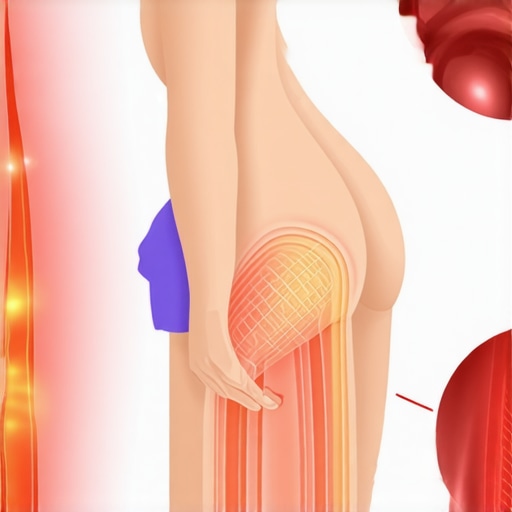
Why Static Stretching Might Be Prolonging Your Back Pain
It was a moment I won’t forget—standing in my hallway, struggling to bend down and pick up my keys, feeling a strange, sharp ache rip through my lower back. I had been diligently stretching every morning, convinced I was doing the right thing to ease stiffness and prevent pain. But instead, my discomfort persisted—and somehow, it seemed worse. That lightbulb moment made me question everything I knew about stretching and back health.
The Hidden Danger in Daily Stretching Routines
Many people, myself included, fall into the trap of believing that stretching is an instant fix for back pain. We get told by well-meaning trainers or even some chiropractors that flexibility is key, so we spend valuable minutes elongating our muscles—hoping to unlock relief. Yet, what if, in our pursuit of better mobility, we’re inadvertently prolonging the very pain we want to eliminate? I want to share my journey and what I’ve learned—because I believe you can benefit from avoiding my rookie mistakes.
Is Static Stretching Really Worth the Hype?
Early on, I made the mistake of assuming that all stretching was good stretching. I would hold stretches for minutes on end, thinking that more was better. But research suggests that prolonged static stretching can sometimes lead to decreased muscle strength and stability, especially around the lumbar spine. In fact, a study published in the Journal of Sports Sciences shows that over-elongating muscles without proper activation could weaken the support system of your back, making you more prone to injury. Now, I understand that not all stretching is harmful—when done correctly, it can improve flexibility and reduce tension. However, the key is knowing which types of stretching will serve your back and which might sabotage your recovery. Have you ever felt worse after stretching? If so, you’re not alone, and you’re not at fault. This realization led me to explore alternative approaches, including targeted chiropractic techniques that focus on restoring optimal movement rather than just elongating muscles. I promise to share these strategies soon, but first, let’s clear up some common misconceptions that could be holding you back. Want to learn more about the connection between proper spinal health and pain relief? Check out [this insight from wellness experts](https://quackersspinal.com/neck-back-pain-solutions-insights-from-wellness-experts). As I continue my journey, I’m excited to share practical tips that actually work—and that may help you avoid the pitfalls of misguided stretching routines. Are you tired of feeling stuck with your back pain despite trying everything? Keep reading, because effective solutions are within reach.
Targeted Movement Matters
My first practical step was to incorporate gentle, controlled movements rather than passive stretching. I began with small, deliberate motions like pelvic tilts and lumbar rotations, which resemble opening a window shutter slowly rather than slamming it shut. For example, I sat on the edge of my chair, placing my hands on my hips, and gently rolled my pelvis forward and backward, feeling how each tilt affected my lower back. This approach promotes kinesthetic awareness and helps your muscles and joints work together harmoniously until new, healthier movement patterns are established.
Prioritize Gentle Activation
Next, I focused on activating my core and stabilizer muscles—think of building a foundation before putting up walls. Instead of overly stretching, I performed micro-exercises like abdominal bracing and glute squeezes—similar to tightening a tight knot to stabilize a loose thread. For instance, lying on my back, I gently contracted my deep abdominal muscles, holding for a few seconds before releasing, which trains my muscles to support my spine during daily activities. This step acts as the groundwork for sustained back health and prevents over-reliance on passive stretches alone.
Utilize Proper Posture Habits
Adjusting my daily posture was a game-changer. I adopted small, consistent corrections—like imagining a string pulling my crown upward or keeping my ears aligned over my shoulders when sitting. For example, I woke up one morning, straightened my back, and set a timer to remind me to maintain this alignment during work. Over time, these micro-corrections reprogram my habitual posture, reducing strain on my lumbar spine and neck. Think of posture correction as tuning your instrument—small adjustments make the entire performance better.
Engage in Controlled Loading
After establishing movement and stabilization, I gradually added load to strengthen my spine. I used low-impact tools, such as resistance bands or lightweight dumbbells, to perform controlled, functional exercises—like gentle rows or bird-dogs—mimicking everyday movements. For instance, lying on my side, I lifted a small weight while maintaining neutral spine posture, mimicking lifting groceries or carrying a child. This controlled loading enhances resilience, much like seasoning a dish gradually to develop flavor—slow and steady wins the strength race.
Dive Into Specific Chiropractic Techniques
When I sought professional help, I learned that some adjustments and techniques are tailored to unlock restricted movement and restore natural alignment. Techniques such as spinal mobilizations or gentle manipulations—performed by a qualified chiropractor—are like tuning a musical instrument. For example, I visited a chiropractor who helped realign my pelvis and lumbar spine, leading to immediate relief and smoother movement patterns. This hands-on approach directly addresses structural restrictions that passive stretching alone can’t resolve.
Consistent Practice Over Time
Lastly, I committed to a daily routine that integrated these steps gradually. Think of it as planting a garden—consistent watering and care yield a vibrant bloom. Even when my back felt temporarily better, I maintained movement, posture, and strengthening exercises, realizing that back health is a continual process. Small, persistent actions—like setting reminders to adjust posture or performing short micro-exercises—compound into sustainable mobility and pain relief. Remember, real progress isn’t achieved overnight but through steady effort and mindful habits.
 Many assume that quick fixes like intense stretching or relying solely on chiropractors always lead to relief, but this oversimplification can be misleading. One common myth is that more aggressive or frequent chiropractic adjustments guarantee quick recovery, yet research shows that inconsistent or improper manipulations can actually disrupt natural spinal mechanics, creating more problems down the line. For instance, over-adjusting without addressing underlying movement deficiencies may temporarily relieve symptoms but fails to promote long-term stability, risking recurring issues.
Why isn’t more always better when it comes to spinal care?
This question digs into a nuanced reality: aggressive treatment can sometimes be counterproductive, especially if it neglects foundational movement patterns, muscular balance, and posture habits. Experts like Dr. Stuart McGill emphasize that strengthening and stabilizing muscles are crucial to prevent future flare-ups, rather than just focusing on symptomatic relief. A 2020 study in the Journal of Orthopedic & Sports Physical Therapy highlights that patients integrating core stabilization exercises alongside chiropractic care experienced better, sustained outcomes than those relying solely on adjustments.
It’s a trap to think that passive therapies can replace active lifestyle changes. While chiropractic adjustments can restore joint mobility, neglecting daily movement practices, ergonomic habits, and targeted strengthening leads many to fall back into pain cycles. For example, many overlook the significance of maintaining proper neck and back biomechanics during routine activities, which is essential for lasting relief. Want practical tips on enhancing your spinal health through everyday habits? Check out [this resource from wellness experts](https://quackersspinal.com/neck-back-pain-solutions-insights-from-wellness-experts).
A crucial nuance often missed is understanding how mental stress, posture, and even jaw tension can influence back and neck pain. Addressing only the structural aspect without considering these factors limits effectiveness. Integrating holistic approaches such as mindful movement, breathing techniques, and ergonomic adjustments fosters more durable improvements. If you’re intrigued, exploring [these expert insights](https://quackersspinal.com/unlock-neck-pain-relief-expert-tips-for-lasting-comfort) can deepen your understanding.
Have you ever fallen into this trap? Let me know in the comments.
Keeping It Working: Essential Tools for Long-Term Spinal Health
Maintaining a healthy back and neck isn’t a one-time effort; it requires consistent attention and the right tools. Over the years, I’ve found specific devices and software that empower me to stay mobile, assess my progress, and fine-tune my routines. These tools aren’t just gadgets—they are integral to my daily maintenance plan. First up, I rely on a high-quality foam roller. I personally favor the TriggerPoint GRID Foam Roller because its textured surface allows me to target deep muscle tension effectively, which is crucial for preventing flare-ups.
Next, I incorporate the use of mobility tracking apps like MobilityWOD. This app provides tailored movement routines that I can do at home or in the office, ensuring I stay active and address specific areas that tend to stiffen over time. The benefit is keeping flexibility gains intact and catching issues early before they become painful.
For manual therapy, I recommend a handheld percussion massage device such as the Theragun. In my experience, regular use on my upper back and neck helps release muscular restrictions that could otherwise contribute to chronic discomfort. The key is consistent application—think of it as soft-tissue maintenance that prevents your muscles from tightening up.
On the software side, I utilize a posture correction app that uses the camera on my phone to provide real-time feedback. By setting reminders to check my posture every hour, I reinforce good habits and avoid the pitfalls of prolonged poor positioning. This simple yet effective tool reminds me to activate my core and align my spine throughout the day.
Prediction: As technology evolves, future tools will likely incorporate AI-driven biofeedback and virtual reality to give even more personalized guidance, making long-term maintenance more engaging and precise. Imagine wearing a lightweight device that monitors your movement, provides instant corrections, and tracks your progress effortlessly—something we are heading towards.
How do I maintain my back and neck health over time?
Consistency is king. Regularly integrating these tools into your routine ensures that your muscles stay balanced, joints remain mobile, and pain remains at bay. I also suggest periodic check-ins with a qualified chiropractor to fine-tune your approach, especially if you notice discomfort creeping back. Remember, the goal isn’t just temporary relief but building resilience. For actionable tips on enhancing your mobility naturally, explore this resource.
Now, I challenge you to pick one of these tools—perhaps the foam roller or a posture app—and commit to using it daily for a week. Observe how your body responds, and you’ll start to notice sustainable gains in your mobility and pain reduction.

Imagine an image of a person using a foam roller on their back in a peaceful home environment, emphasizing self-care and tools for long-term health. The prompt: “Person using foam roller for back relief, calm setting, natural lighting, focus on relaxation and self-maintenance”. Alt text: “Person performing self-myofascial release with foam roller to support back health”. Title: “Self-Care Tools for Maintaining Spinal Mobility”.Throughout my journey to better back health, I’ve discovered that some of the most valuable lessons come from unexpected insights — lessons that challenge common beliefs and push us toward more effective solutions. One of the hardest truths I faced was realizing that aggressive, passive treatments like constant stretching or frequent adjustments without foundational support can sometimes do more harm than good. Instead, embracing controlled movements, strengthening core muscles, and establishing mindful habits made a decisive difference in my recovery. Another epiphany was understanding that true spinal health involves a holistic approach—considering posture, mental stress, and daily movement, not just isolated therapies. These lightbulb moments transformed my perspective, guiding me away from quick fixes and toward sustainable routines that empower lasting mobility and pain relief. If you’re tired of temporary relief and want strategies rooted in real understanding, embracing these lessons can truly elevate your path to wellness.