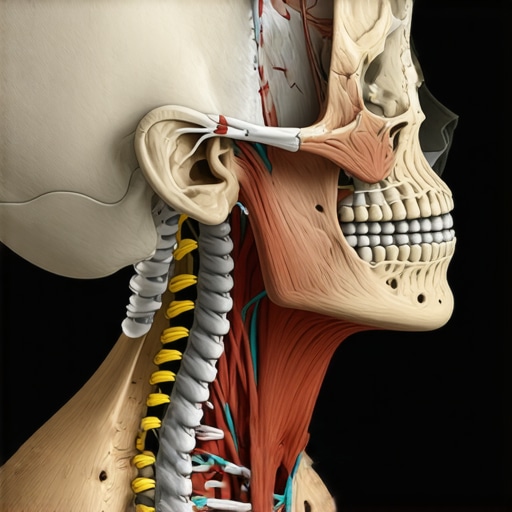
How to Tell if Your Neck Pain is Actually a Shoulder Issue
Ever woken up after a long day, neck stiff as a board, only to realize the pain isn’t just in your neck at all? I remember countless mornings where I’d shrug off that dull ache, convinced it was just a strain from sleeping wrong, only to find out later it was more complex than that. One morning, it hit me—what if my neck pain was actually my shoulder calling for help? The lightbulb went off as I reflected on how often I mistook shoulder issues for neck problems, leading me down the wrong path for relief. It was frustrating, and honestly, confusing.
Why Understanding the Real Cause Matters for Lasting Relief
Knowing whether your pain stems from your neck or shoulder isn’t just medical nitpicking; it’s the difference between a temporary fix and a lasting solution. A misdiagnosis can mean applying the wrong treatment—like endless stretches for the neck when the real issue is shoulder tension or vice versa. This mistake can prolong discomfort and even worsen the problem. Early on, I made that exact error—treating my symptoms rather than the root cause—which only dragged out my recovery. Trust me, getting accurate insight saves time, money, and a lot of unnecessary pain. I’ve found that understanding the anatomy and movement patterns involved is crucial, and I’ve learned a few tricks that can help you figure out what’s really going on.
For example, interestingly, a study published by the National Institutes of Health reveals that up to 60% of shoulder dysfunctions can mimic or contribute to neck pain, yet many people overlook this connection (NIH, 2020). Recognizing this overlapping aspect can change how you approach your pain. If you’ve ever felt puzzled about whether to see a chiropractor, physical therapist, or simply stretch more, this article is for you.
Are you tired of living with what feels like an endless cycle of pain, only to find it’s not what you expected? If so, you’re not alone. Many folks get stuck trying various remedies without addressing the actual issue. That’s where I come in—to help demystify the difference between neck and shoulder pain, so you can target your recovery confidently.
Let’s dive deeper into the signs that reveal whether your neck pain might be a shoulder issue in disguise—and how you can start addressing it today. Curious? Keep reading, because understanding this distinction could be the game-changer you need.
Ready to get to the root of your discomfort? Sometimes, a simple adjustment or a better understanding of your body can make all the difference. If you’re eager for practical tips, don’t forget to check out resources like [Chiropractic Secrets to Regain Full Mobility](https://quackersspinal.com/chiropractic-secrets-to-regain-full-mobility-after-injury) for expert advice on targeted relief.
Pinpoint Your Problem with Simple Checks
Start by isolating the pain sources through targeted movement tests. For example, gently tilt your head side to side while observing if the discomfort shifts more to your neck or shoulder. If shoulder movement worsens the pain, it indicates shoulder tension affecting your neck. Recall a time I tried this during a busy morning, feeling frustrated when a simple tilt made my shoulder flare up, revealing the real culprit behind my neck stiffness.
Use Self-Assessment Exercises
Perform specific exercises like shoulder blade squeezes and neck stretches to gauge responsiveness. For instance, sit upright and pinch your shoulder blades together, holding briefly. If this relieves some tension or makes the pain more tolerable, it suggests shoulder muscle tightness. I applied this approach after sitting at my desk for hours; the squeeze reduced my discomfort and helped me realize my shoulder muscles needed attention, not just my neck.
Implement Targeted Mobility Drills
Mobility drills are your toolkit for restoring range of motion. Focus on gentle, controlled movements that mimic normal activity. A walk-through: lie on your back and perform a controlled contraction and release of your upper back muscles, promoting blood flow and flexibility. During one session, I incorporated these into my day, and over a week, I noticed significant reductions in tightness. For comprehensive guidance on these techniques, explore chiropractic techniques to ease pain.
Strengthen and Stabilize with Correct Exercises
Building strength in supporting muscles reduces strain on your neck and shoulders. Focus on exercises like the dead bug or plank variations—start by holding a plank with proper form, engaging your core fully. One time, I added these to my routine, and my postural control improved remarkably, diminishing recurring pain episodes. Remember, proper form is crucial; consult how chiropractic care enhances movement for tailored plans.
Optimize Daily Habits to Prevent Re-injury
Adjust your workspace ergonomics—raise your chair height, position your screens at eye level, and keep your shoulders relaxed. I once realized I was slouching forward at my desk, causing shoulder tension, which I corrected by setting up my workstation properly. Adding posture reminders or stretching breaks every 30 minutes can dramatically improve your resilience against pain flare-ups. Discover more about natural ways to enhance mobility.
” alt=”Person performing shoulder blade squeeze exercise” title=”Performing Shoulder Blade Squeeze for Better Mobility”/>While many believe that stretching alone can resolve persistent back and neck issues, the reality is far more nuanced. A common misconception is that pain is always a direct result of muscle tightness or poor posture, but in reality, nerve involvement, subtle structural misalignments, and movement patterns play critical roles that are often overlooked. As an expert in spinal health, I’ve seen countless cases where addressing only the superficial symptoms leads to temporary relief at best. The deeper, hidden factors—like subtle biomechanical imbalances—require a more sophisticated approach, which involves understanding how compensatory patterns develop over time. For instance, a study published in the Journal of Manual & Physiological Therapeutics highlights that nerve gliding exercises and specific chiropractic adjustments can significantly improve cases that traditional stretching fails to resolve (JMPT, 2018). One trap to watch out for is the belief that more stretching is always better; this can sometimes worsen the condition if joint mobility issues are ignored. Instead, targeted mobilization coupled with strengthening and posture optimization yields more sustainable results. For advanced practitioners, questions like how to precisely identify nerve entrapments or joint restrictions can seem daunting, but techniques like the active straight leg raise test or the end-range loading assessments can help pinpoint underlying issues. If you’re serious about long-term relief, consider exploring how chiropractic techniques to restore mobility—such as those described here—can make a difference. Remember, your body often compensates subtly before symptoms become obvious, so early detection and intervention are key. So, what are the most overlooked factors in your pain story? Have you ever fallen into this trap? Let me know in the comments.
Keeping your body in optimal shape isn’t just about quick fixes or occasional stretches; it involves investing in the right tools and establishing routines that support sustained mobility and pain-free movement. As someone deeply engaged in spinal health, I rely on specific equipment and methods daily to ensure lasting results and prevent setbacks. Let me share what I personally use and recommend to facilitate ongoing back and neck wellness.
Personalized Chiropractic Adjustments
One of my primary tools is routine chiropractic care, tailored to my body’s needs. Regular adjustments help maintain joint mobility and address subtle misalignments before they develop into chronic issues. I schedule visits at least once every 4-6 weeks, depending on activity levels, and find that this proactive approach significantly reduces flare-ups. If you’re curious about how chiropractic care can support your mobility, explore this resource.
Foam Rollers and Myofascial Release Tools
I incorporate foam rollers into my daily routine to release muscle tightness, especially in my thoracic and lumbar regions. I prefer a dense, high-quality foam roller that offers enough firmness to trigger myofascial release effectively. Using it consistently, I notice improved flexibility and reduced muscle knots that can contribute to nerve compression or joint stiffness. For detailed guidance on effective foam rolling techniques, check these strategies.
Mobility and Posture Monitoring Software
Technology plays a role in my maintenance plan through apps that monitor posture and track mobility exercises. I personally use software that prompts me to correct my sitting posture during long workdays, preventing the accumulation of strain. These tools analyze movement patterns over time, allowing me to identify weaknesses and adjust accordingly. This approach promotes awareness and empowers me to sustain good habits even when忙 or distracted. For insights into how these tools can serve your mobility goals, see mobility mastery tips.
Long-Term Strategies and Future Trends
Looking ahead, I believe the integration of biofeedback devices and AI-driven posture correction will become more prevalent, offering personalized interventions based on real-time data. These innovations could revolutionize how we prevent chronic pain and maintain movement health. For now, I recommend adopting practices like regular manipulation, targeted strengthening, and ergonomic adjustments—foundational elements that stand the test of time. Curious to see how these insights can be customized for your needs? Contact me here.
How do I keep my back and neck healthy long-term?
Consistent, targeted exercises combined with professional care and supportive tools are crucial. Implementing daily mobility drills, using myofascial rollers, and leveraging technology for posture can significantly extend the benefits of treatments. Remember, prevention is always more effective than cure, and developing a routine that blends these elements will help keep your body functioning optimally well into the future. Try integrating a 5-minute mobility routine each morning—it’s a simple yet powerful step towards lasting health. Want personalized recommendations? Get in touch, and let’s craft a plan tailored just for you.
” alt=”Illustration of mobility tools and exercises for back health” title=”Mobility tools and exercises for maintaining back and neck health”/>
Lessons from the Front Lines of Healing
One profound lesson I learned about neck and shoulder pain is that quick fixes often mask deeper issues instead of solving them. I used to think that if I just stretched more, the pain would disappear, but the relief was fleeting. Real progress came when I acknowledged the intricate connection between shoulder stability and neck health, realizing that neglecting one can undermine the other. A lightbulb moment was understanding that my core strength directly impacted my shoulder and neck tension, pushing me to incorporate targeted exercises that addressed muscular imbalances at their root.
Another insight is that posture isn’t just about standing tall—it’s about habitual alignment during daily activities. Small adjustments, like ergonomic workspace setup and mindful movement, prevented many flare-ups before they started. The most surprising lesson was how nerve mobility exercises can dramatically improve symptoms that resist traditional stretching, revealing the importance of restoring neural gliding to maintain healthy movement.
Finally, I discovered that ongoing professional guidance, when combined with personal accountability, creates sustainable health habits. Regular check-ins with a chiropractor and implementing tailored mobility routines became a cornerstone in my journey, reminding me that healing isn’t linear but a continuous process grounded in knowledge and discipline.