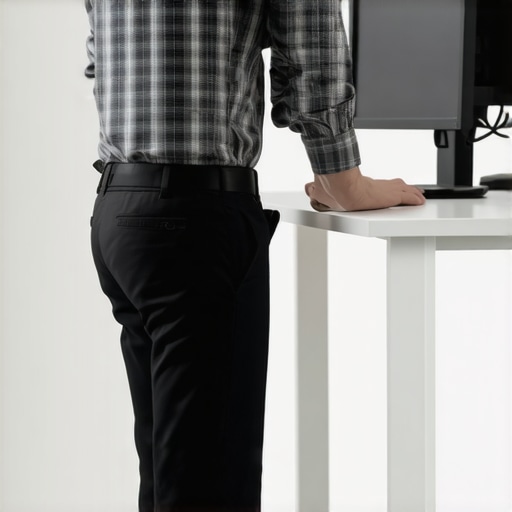
The Standing Desk Mistake That Makes Your Lower Back Ache
It was a typical Wednesday afternoon when I finally realized why my lower back was screaming at me every evening. I had been obsessively reading about the benefits of standing desks, convinced they’d solve my chronic back discomfort. But instead of relief, I felt an escalating pain that wouldn’t let up, lingering from my lower back to my hips, making me dread my workday and evening routines. That moment of discomfort turned into a lightbulb: I was making a common mistake, one so subtle yet so damaging, that it was sabotaging my efforts to stay healthy while working.
Why Your Standing Desk Isn’t Working — and How to Fix It
Many people, myself included early on, believe that simply switching from sitting to standing automatically relieves back pain. However, there’s a significant, often overlooked mistake that many fall into — and trust me, I did too. This mistake involves *incorrect height adjustment and posture*. I thought I was doing everything right but later discovered I was actually placing my desk just high enough to stand, yet not paying attention to my body alignment. The result? My lower back was constantly strained because my hips, knees, and spine weren’t aligned properly.
This ongoing misalignment is a major contributor to lower back pain for standers. In fact, improper ergonomics at a standing desk can lead to increased muscle tension and discomfort that defeats the entire purpose of switching from sitting. Addressing this mistake isn’t complicated, but it requires awareness and intentional adjustments.
If you’re experiencing similar issues, you’re not alone. Many overlook the importance of proper height and posture. A quick adjustment can make a world of difference and keep your back healthy in the long run. Want to dig deeper into how chiropractic care can support your mobility and reduce back pain? Check out [this guide](https://quackersspinal.com/restore-your-range-how-chiropractic-care-enhances-movement) for expert insights.
Is Standing More Comforting Than Sitting? Think Again
I initially believed standing for longer hours was the magic solution, but I soon learned that standing incorrectly can cause more harm than good. Whether it’s because of poor footwear, uneven weight distribution, or insufficient movement, these factors compound the problem. Interestingly, research shows that static standing increases strain on the lower back if not done properly (source: [Harvard Health Publishing](https://www.health.harvard.edu), 2019). That’s why ongoing education and awareness are key.
Early mistakes like mine emphasize the importance of correctly setting up your workspace and understanding your body’s signals. So, before you assume that standing is the silver bullet, let’s explore practical strategies to avoid these pitfalls and create a setup that truly works for your back. Ready to learn how to stand smarter, not harder? Let’s get started.
Adjust Your Desk Height Precisely
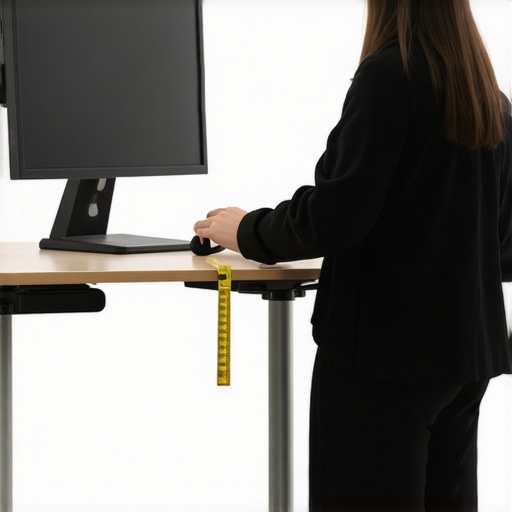
Start by setting your desk so that your elbows form about a 90-degree angle when your hands rest on the keyboard. Think of it like tuning a musical instrument: every inch matters for harmony. I once adjusted mine too high, causing shoulder strain, but after fine-tuning, the tension eased significantly, making my workday more comfortable.
Use a Visual Guide
Place a level or a smartphone app to measure desk height relative to your elbow. This visual cue ensures consistency and prevents guesswork, which often leads to poor posture.
Position Your Monitor Correctly
Place your monitor directly in front of you, at eye level, about an arm’s length away. Imagine your eyes as the center of a clock—your screen should be at 12 o’clock to avoid craning your neck. In my experience, raising my monitor with a stand eliminated neck discomfort during long sessions, improving my focus.
Set Up for Neck Neutrality
Ensure the top of your screen is at or just below eye level, so your neck remains in a neutral position. Consider using foam risers or adjustable monitor arms for precise placement. Once, I used a stack of books to test height, and finding the sweet spot relieved my persistent neck tension.
Optimize Your Standing Posture
Distribute your weight evenly across both feet, keeping knees slightly bent. Think of your stance as a balanced frame—instability around your hips can cause back pain. I once caught myself leaning to one side, which over time led to discomfort, but awareness corrected the habit instantly.
Use Supportive Footwear or Anti-Fatigue Mats
Wear shoes with proper arch support or stand on an anti-fatigue mat to reduce strain. The difference is akin to walking on firm ground instead of uneven terrain, providing stability and reducing fatigue.
Incorporate Movement Breaks
Every 30 minutes, shift position, stretch, or walk briefly. Think of your spine as a flexible tree—constant static can weaken it. I set reminders to step away, which revitalized my energy and kept my back pain at bay.
Practice Dynamic Posture
Alternate between standing straight, shifting weight, or kneeling on one knee to avoid stiffness. These small changes are like tuning a musical instrument regularly—keeping everything in sync and tension-free.
Leverage Educational Resources
Consult expert guides on proper ergonomics, such as chiropractic insights to fine-tune your setup. Learning from professionals ensures you’re not only adjusting correctly but also avoiding common pitfalls that lead to pain.
 Many believe that simple stretching or posture correction is enough to resolve persistent neck or back issues, but in my experience, this oversimplification ignores critical nuances. One common myth is that incorporating more movement automatically cures mobility restrictions. While movement is essential, the quality and purpose of that movement matter significantly. For example, people often perform generic stretches without understanding which muscles they target, potentially strengthening imbalances rather than correcting them. This can inadvertently worsen the problem over time, especially if the underlying cause involves compensatory patterns or joint restrictions. According to Dr. Peter Scatozza, a renowned chiropractor, identifying specific restrictions in spinal mobility is crucial before prescribing exercises, as blind stretching might reinforce faulty movement habits[^1]. Another misconception is that chiropractic adjustments provide instant, permanent relief. In reality, adjustments are a vital component, but long-term improvement depends on addressing lifestyle factors—like ergonomic setup, repetitive strain, and muscular weaknesses—that perpetuate the cycle of pain. The trap here is relying solely on passive treatments rather than active, strategic care. For advanced readers considering the relationship between spinal health and overall mobility, the subtle interplay of neural, muscular, and joint components requires a nuanced approach. For instance, unresolved neck stiffness isn’t just about muscle tightness but also involves how nerve pathways are functioning[^2]. Techniques like nerve gliding exercises can be game changers when properly integrated into a comprehensive plan. Don’t fall into the trap of thinking that quick fixes are the answer. Instead, focus on personalized assessments and targeted interventions. Have you ever fallen into this trap? Let me know in the comments. For those ready to delve deeper into effective strategies, exploring expert resources like chiropractic insights on movement enhancement can provide invaluable guidance.Maintaining your spinal health over the long term requires more than just awareness; it demands the right tools, consistent routines, and strategic adjustments. One of my favorite investments is a high-quality adjustable ergonomic chair that allows me to customize my seating posture throughout the day. Unlike generic office chairs, I look for one with lumbar support that can be precisely positioned, adjustable armrests, and breathable fabric. This way, I can switch between sitting upright and leaning slightly back, reducing muscular fatigue and promoting proper spinal alignment.
In addition, a sit-stand desk converter has revolutionized my work setup. It enables me to alternate between sitting and standing, which is shown to decrease overall strain[^1]. I personally use a model with a sturdy lifting mechanism and multiple height presets, making transitions seamless without disrupting my workflow. Remember, consistency is key; I set reminders to change positions every 30 minutes.
For monitoring and improving mobility, I rely on specialized software like the ergonomic posture app from Upright. This app provides real-time feedback on my sitting habits, alerts me if I slouch, and guides me through mini-exercises that maintain spinal flexibility. Technology like this can be a game-changer in cultivating mindful habits, especially if you work remotely or have a dynamic schedule.
Complementing hardware and software, incorporating foam rollers and resistance bands into your routine enhances long-term stability and flexibility. I use a dense foam roller to release tension in my thoracic spine and hips—areas often neglected but crucial for overall mobility. Regular use of these tools, combined with targeted exercises from [chiropractic](https://quackersspinal.com/restore-your-range-how-chiropractic-care-enhances-movement), can help maintain joint health and prevent deterioration.
Looking ahead, I predict wearable posture correction devices will become more sophisticated and integrated with AI. These gadgets will provide instant feedback, guiding you to maintain optimal alignment throughout the day. Embracing such innovations now can prepare you for a future where maintaining mobility and pain-free living is effortless.
**How do I keep my mobility and posture optimized over time?** Regular check-ins with a chiropractor or physical therapist play a vital role. They can assess subtle changes in your spine, recommend personalized exercises, and adjust your tools accordingly. For instance, professional adjustments can restore joint mobility that daily routines might neglect, preventing long-term issues.
If you’re serious about your spinal longevity, I highly recommend trying a dedicated mobility drill, like the hip hinge, combined with your ergonomic setup. This simple, yet powerful exercise helps distribute forces correctly and reinforces good movement patterns. Practice it daily, and you’ll notice improved posture and reduced discomfort.
For more insights on maintaining back health, explore chiropractic-led mobility strategies. Investing in the right tools and habits today sets the foundation for a pain-free tomorrow.
The Hardest Lesson I Learned About Neck Pain and Mobility
One profound realization was how subtle habits, like leaning forward at my desk, can create invisible strain that accumulates over time, undermining even the best ergonomic setups. Recognizing these tiny, often unconscious movements was a game-changer in my journey toward pain-free living.
Myths About Chiropractic Care That Ever So Slightly Missed the Mark
I used to think that one adjustment was all I needed for long-term relief, but I discovered that consistent lifestyle tweaks and understanding spinal mechanics are key. Deepening my knowledge through trusted resources like chiropractic insights revealed how integrated care fuels sustained mobility improvements.
The Power of Personal Awareness Over Quick Fixes
I realized that tuning into my body’s signals—like muscle fatigue or tension—is more effective than solely chasing after instant relief. This mindfulness allowed me to adjust my routine proactively, preventing setbacks and fostering resilience in my neck and back health.
Curated Tools That Elevated My Recovery
High-quality ergonomic accessories, such as adjustable chairs and monitor stands, made a tangible difference. I also incorporated foam rollers and resistance bands into my daily routine, which complemented professional treatments and kept me on the path to optimal spinal health. Dive into effective chiropractic hacks to personalize your toolkit.
From Hesitation to Action: Your Next Step in back and neck vitality
Remember, improving mobility and reducing pain isn’t a one-time effort but a continuous journey. Embrace the small adjustments, stay curious about your body’s needs, and don’t hesitate to seek professional guidance when needed. Your spine deserves ongoing attention—take that first step today.