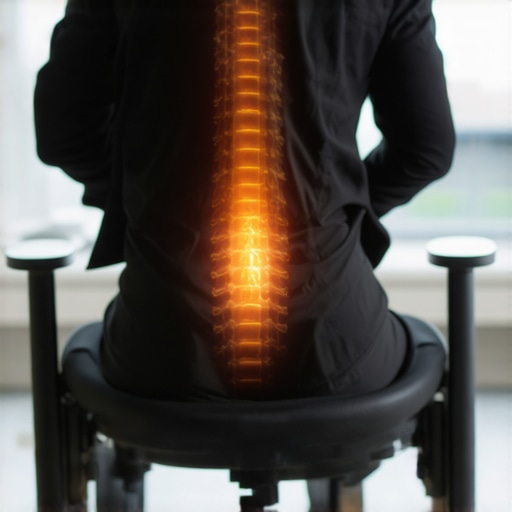
The Real Reason Your Lower Back Hurts After Your Morning Run
I remember the first time my back doubled over in pain just after lacing up for a morning run. Bright-eyed and full of motivation, I started my routine feeling unstoppable. But within minutes, a sharp, uncomfortable twinge reminded me that I was ignoring a silent warning sign. It was a lightbulb moment—my back wasn’t upset about running itself, but about something far more subtle and overlooked. If you’ve experienced that nagging soreness or stiffness after your morning jog, you’re not alone, and there’s good news: understanding the true reason behind this pain can change everything.
What’s Really Going on When Your Back Won’t Quit Complaining
Let’s cut to the chase. That post-run back pain often isn’t about the run being too intense or your body betraying you. More often, it’s about *your* spinal health and mobility—areas many of us neglect until they start screaming for attention. When I first tried to ignore my discomfort, I only made things worse. I thought stretching more or increasing my running distance would help, but in reality, I was missing a fundamental piece of the puzzle.
Many fitness enthusiasts and even seasoned runners make a crucial mistake early on: they focus solely on the activity itself without paying attention to the underlying health of their spine. This oversight can lead to a cycle of pain, tightness, and even injury. According to recent research, the majority of lower back issues stem from poor spinal mobility and muscle imbalance, not just the impact of running. Recognizing this was my turning point.
Here’s the thing—if you want to keep enjoying your morning runs without the nagging back pain, you need to address the *root cause*. That means working on your spinal health, improving mobility, and incorporating simple but effective techniques into your routine. Intrigued? I’ll show you how in the next sections.
Before diving into solutions, I want to help you clarify one thing. Have you ever noticed that your back feels worse after a run despite doing regular stretches or strengthening exercises? If yes, then you’re in the right place. Understanding the real reason behind your pain is the first step toward lasting relief.
And to make sure you’re heading in the right direction, it’s worth noting that ignoring your lower back’s signals could lead to long-term issues. Experts have found that neglecting spinal mobility can result in increased injury risk and chronic discomfort (source: [Quackers Spinal](https://quackersspinal.com/understanding-back-pain-a-guide-to-better-posture-and-mobility)). That’s why cultivating awareness and taking targeted action is so crucial.
In the upcoming sections, I’ll share proven strategies to unlock your back’s natural movement and prevent that dull ache from turning into a debilitating problem. Ready to transform your morning routine? Let’s get started.
Start with Gentle Mobilization Exercises
My first attempt involved lying on the floor and gently rocking my knees side to side, simulating a relaxed pelvic tilt. This simple move, performed daily, gradually loosened tight muscles and restored a smoother movement pattern. To try it yourself, lie on your back, bend your knees, and let them fall side to side, holding each position for a few seconds. These micro-movements break up adhesions and enhance spinal flexibility.
Incorporate Specific Stretching for Your Core and Back
One effective stretch I adopted was the child’s pose, which stretches the lower back and hips. It felt uncomfortable at first, but over a week, I noticed less stiffness after runs. To perform it, kneel on the floor, sit back on your heels, and stretch your arms forward, relaxing your forehead onto the mat. Remember to breathe deeply—this aids in releasing tension. Avoid over-stretching if you experience sharp pain, and always listen to your body’s signals.
Practice Controlled Breathing to Reduce Tension
Controlling my breath during exercises helped me stay relaxed and prevent guarding my back. Try slow, diaphragmatic breathing—inhale deeply through your nose, filling your belly, then exhale slowly through your mouth. Incorporate this during stretches or yoga poses. This technique not only relaxes the nervous system but also encourages better movement coordination, which is vital for spinal health.
Use Micro-Adjustments in Daily Activities
During chores, I paid attention to my posture, making small adjustments like standing with hips slightly forward or avoiding crossing my legs for extended periods. For example, when lifting a heavy bag, I bent my knees and kept my back straight, engaging my leg muscles instead of relying solely on my lower back. These micro-changes distribute load evenly, reducing strain and preventing chronic tightness.
Implement Targeted Chiropractic Techniques
After recognizing persistent stiffness, I scheduled a consult with a chiropractor skilled in spinal mobilization. Techniques like spinal adjustments and soft tissue therapy can realign vertebrae, relieve nerve impingement, and restore movement. Regular sessions, coupled with exercises, maximize results. Learn more about effective chiropractic hacks at this resource.
Maintain Consistency for Lasting Results
Initially, I was inconsistent, expecting quick fixes. But integrating these steps into my daily routine created noticeable improvements within weeks. Consistency is key—set aside 10-15 minutes daily to perform mobility drills and stretches. Over time, you’ll develop better awareness of your body’s signals, catching issues before they escalate.
Address Muscle Imbalances and Weak Spots
Identifying weak muscles, like the glutes, was crucial. Weak glutes often cause compensatory movement in the lower back, leading to pain. I incorporated strength exercises like bridges and clamshells, which effectively activated these muscles. For expert guidance, explore this article. Correcting imbalances ensures that your core supports your spine efficiently, preventing future discomfort.
Focus on Movement Quality Over Intensity
Initially, I pushed myself with longer runs, but it often worsened pain. Shifting focus to controlled, mindful movements helped. Pay attention to how your back feels during activity—stop if you experience sharp pain. Techniques like slow jogging and mindful stretching can improve mobility without risking injury.
Keep Hydrated and Practice Post-Exercise Care
Proper hydration helped keep my muscles supple and reduce stiffness. After workouts, I used ice or heat packs as needed—ice for inflammation, heat for muscle relaxation. Ensure you don’t rely solely on external remedies but combine them with exercises for best outcomes. Read about these methods in this guide.
Many people assume that back and neck pain are simply the result of aging or overuse, but that’s a misconception that can lead to costly mistakes. A common myth is that immobilization or complete rest is the best way to heal, yet recent studies show that gentle movement and targeted chiropractic techniques are more effective for long-term relief. For instance, relying solely on pain medication or passive therapies can mask underlying issues without addressing root causes, often resulting in chronic problems. An advanced mistake many overlook is the tendency to treat symptoms in isolation—addressing only back pain while ignoring associated factors like spinal alignment, muscle imbalances, and mobility deficits. Experts emphasize that a comprehensive approach, including spinal mobilization and corrective exercises, offers lasting benefits. Beware of falling into the trap of thinking that every chiropractic adjustment provides permanent solutions; instead, combining regular adjustments with personalized mobility routines ensures sustainability. Have you ever fallen into this trap? Let me know in the comments.Maintaining your back and neck health over the long term demands more than just occasional stretching or chiropractic visits. The right tools and consistent practices can make all the difference in sustaining mobility and preventing setbacks. One of my personal favorites is the use of a quality foam roller, specifically designed for spinal and muscle release. I prefer the Deep Tissue Massage Foam Roller because its textured surface targets trigger points effectively, helping to release adhesions that traditional stretching might miss. Incorporating a foam rolling session into my evening routine has significantly reduced tightness and improved my mobility, especially after long days of desk work or intense workouts.
Another essential tool is a stability ball, which I use to perform core activation exercises. Unlike static sit-ups, balancing on a stability ball challenges my deep abdominal muscles and promotes spinal support. This approach has been validated by research indicating that dynamic stability exercises can enhance core strength and reduce injury risk, as discussed in the article on restoring back mobility.
In addition to physical tools, I rely heavily on software applications that remind me to move and correct my posture throughout the day. Programs like Upright GO provide real-time feedback on your sitting habits, encouraging micro-adjustments that protect your spine. These digital aids have proven invaluable in establishing lasting habits—one of the key factors in effective long-term management—highlighted in mobility mastery.
Predicting future trends, I believe wearable tech integrated with AI will become even smarter at personalizing spinal health routines. Devices will analyze your movement patterns, detect early signs of misalignment, and suggest corrective exercises on the fly, making proactive care more accessible.
How do I maintain back health over time? Keep consistent with the tools that work for you—like foam rollers or stability balls—and incorporate daily micro-movements. Regular chiropractic check-ins, paired with targeted exercises, create a robust foundation that safeguards your mobility long-term. Consider dedicating just 10 minutes daily to these practices; it’s a small investment for a pain-free future. To further enhance your mobility, I recommend trying my favorite advanced tip: use a foam roller to target your thoracic spine right before bed. This simple act can decompress your vertebrae and prepare your body for restful sleep free from stiffness.
The Hardest Lesson I Learned About Back Pain, Neck Pain, and Mobility
One of the most eye-opening realizations was that persistent back pain isn’t just about a single injury or overexertion; it’s often a sign of deeper issues like spinal misalignment or muscle imbalance that we tend to overlook until it’s causing real discomfort.
Another lesson was how crucial consistent, targeted movement and posture awareness are. Sporadic stretches won’t cut it—it’s about daily habits and intentional mobility work that prevent pain from creeping in.
Lastly, I discovered that professional guidance combined with at-home routines creates a sustainable path to relief, rather than depending solely on quick fixes or passive treatments that only mask symptoms.