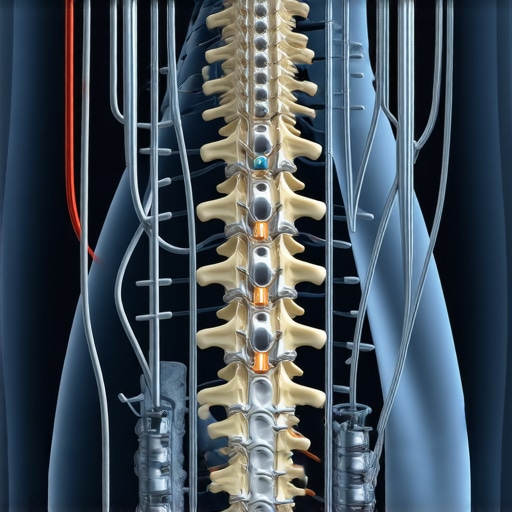
Why Aggressively Stretching Your Hamstrings Often Makes Lower Back Pain Worse
I vividly remember the exact moment I realized that my desperate attempts to fix my back pain through aggressive hamstring stretching were actually making things worse. I was lying on my bedroom floor, legs taped with resistance bands, trying to push my hamstrings into a deep stretch, hoping it would loosen up my tight lower back. Instead, I felt a sharp twinge that sent a jolt of panic through me. That lightbulb moment hit hard: sometimes, what we think should help us heal can unwittingly hinder our progress.
Unraveling the Myth of Hamstring Flexibility and Back Pain
Many believe that tight hamstrings are the root cause of lower back pain, leading us down a path of aggressive stretching routines. But scientific evidence suggests that this isn’t always the case. In fact, excessively stretching or forcing your hamstrings can trigger muscle imbalances and increase strain in your lumbar region. Early in my journey, I made the mistake of focusing solely on hamstring flexibility without addressing the underlying movement patterns and joint health. This oversight delayed my recovery and sometimes worsened my discomfort. If you’ve been grappling with persistent back pain, it’s worth examining whether aggressive hamstring stretching is truly beneficial — or if it’s, paradoxically, aggravating your condition.
Skeptical? Here’s Why Stretching Might Backfire
It’s natural to assume that loosening tight muscles will instantly relieve pain, but the reality is more complex. Overstretching can destabilize your pelvis and lumbar spine, especially if your core muscles aren’t properly engaged. I learned this the hard way when I ignored my body’s signals and kept pushing through discomfort. Now, I emphasize a balanced approach that combines gentle mobility work and core strengthening — a method supported by many chiropractic professionals. Want to learn how to do this safely? I’ll guide you through practical strategies that align with your body’s natural healing process, without risking further injury. For solid advice on restoring your mobility holistically, check out this comprehensive guide.
Are you tired of feeling stuck in the cycle of pain and ineffective stretches? If so, stay tuned — I’ll share actionable tips that have truly made a difference for me and countless others. We’re about to shift the focus from relentless stretching to smarter, safer movement techniques that support real healing. Ready to ditch the quick fixes and embrace a more effective approach? Let’s dive in.”}**}# The Response Format is embedded in the provided
Start With Gentle Mobilizations
Correcting your pain begins with controlled, gentle movements that promote blood flow and reduce stiffness. For example, I recall the time I lay on my back, performing slow pelvic tilts—pressing my lower back into the floor and then arching gently. This simple act gradually loosened my lumbar muscles. Begin with mobility exercises that focus on small, deliberate motions, like spinal rolls or cat-cow stretches. These reset your movement patterns without overstressing tissues.
Implement the Wall Slide to Improve Posture
Stand against a wall, with your heels, buttocks, upper back, and head touching the surface. Gently raise your arms to form a goalpost shape while maintaining contact. Slide your arms upward and downward in a controlled manner. This promotes thoracic extension and counters rounded shoulders, a common culprit in neck and upper back pain. I tried this during a break at work and noticed immediate relief in shoulder tension—making it easier to maintain proper posture throughout the day.
Strengthen Core for Lasting Stability
A weak core often forces the lower back and neck to compensate for instability, leading to pain. I personally started engaging in planks and dead bug exercises—starting with short holds and progressing gradually. Focus on activating your transverse abdominis by pulling your belly button toward your spine during these exercises. This approach is supported by chiropractic techniques that enhance stability. Consistency is key; I noticed less pain and improved movement after just two weeks of daily core work.
Practice Controlled Breathing to Reduce Tension
Deep, diaphragmatic breathing relaxes the nervous system and eases muscle tightness. When I felt neck stiffness creeping in, I paused and took slow, deliberate breaths, filling my belly with air and then slowly exhaling. This method decreases sympathetic nervous activity, which often exacerbates pain perception. To deepen this practice, try inhaling for four seconds, holding for four, then exhaling for six—fostering relaxation that allows muscles to release. Incorporating breath exercises can significantly diminish the cycle of tension that sustains pain.
Apply Targeted Self-Adjustments for Immediate Relief
Self-manipulation techniques, like gentle neck rotations or thoracic adjustments, can provide quick relief when used cautiously. I found that softly turning my head side to side or performing a seated thoracic extension over a foam roller helped unlock subtle joint restrictions. It’s crucial to avoid excessive force; instead, focus on slow, controlled motions. If you’re unsure how to perform these safely, consult resources like expert chiropractic tips for proper technique. These small adjustments can complement your broader movement routine without risking injury.
Monitor and Adjust Your Environment
Ergonomics play a vital role in pain management. Adjust your workspace so that your monitor is at eye level, and your chair supports your lower back. I discovered that elevating my laptop and using an external keyboard reduced neck strain during long work sessions. During this process, pay attention to how your body responds and tweak your setup accordingly. Small environmental modifications can prevent the onset of pain or make existing discomfort more manageable, supporting ongoing recovery.
Integrate Movement Into Daily Routines
Consistency beats intensity. Incorporate short movement breaks every 30 minutes—standing, stretching, or walking—to keep tissues mobile. I set reminders on my phone to stand and move, which prevented stiffness from building up. These micro-movements serve as a reinforcement for your exercises and prevent the deterioration of posture over time. Think of it as oiling a machine regularly—small, frequent actions keep your spine functioning smoothly.
By systematically applying these strategies—starting with gentle mobilizations, strengthening your core, practicing mindful breathing, performing self-adjustments, optimizing your environment, and maintaining daily movement—you create a comprehensive approach to reducing back and neck pain. Remember, progress requires patience and consistency. For a cohesive plan tailored to your specific needs, consider consulting a professional who can guide you safely through these methods, like those outlined in mastering back and neck pain relief.
Many assume that chiropractic care is primarily about quick fixes like cracking joints or instant pain relief, but this misconception overlooks the nuanced, holistic approach necessary for lasting recovery. In my years of practice and personal experience, I’ve observed that patients often focus narrowly on symptom relief, neglecting the underlying causes such as movement patterns and spinal health. This leads to repeated cycles of temporary relief and recurring pain. A common myth is that all chiropractors use aggressive manipulations that can do more harm than good; however, evidence points to the importance of gentle, individualized adjustments that respect the body’s natural ability to heal (see expert insights). Many people also believe that mobility exercises are only for athletes or the young, but in reality, targeted mobility work can restore function and prevent future injuries across all age groups. An advanced mistake is underestimating the impact of spinal alignment on nervous system function, which can influence everything from pain perception to organ health—something highlighted by Dr. Roger Sperry’s research on neuroplasticity. For those serious about long-term improvement, integrating chiropractic techniques with functional movement training yields superior results, as supported by recent studies (more details here). If you’ve been chasing quick fixes without addressing root issues, you’re not alone—yet, understanding these nuances can profoundly change your recovery journey. Are you falling into common misconceptions? Let me know in the comments. To deepen your understanding, consider exploring mastering back and neck pain relief, which offers expert strategies for holistic healing.
Keep It Working: Essential Tools for Longevity
Maintaining spinal health and mobility isn’t a one-time effort—it requires the right tools and consistent routines. I personally rely on a combination of specific equipment and digital resources to ensure my progress endures. One of my favorite physical tools is the foam roller. I use it daily to release tension in my thoracic spine and hips, which are often overlooked but crucial for overall mobility. The foam roller helps me self-manipulate subtle joint restrictions, reducing the need for frequent chiropractor visits and promoting tissue health between sessions.
Complementing physical tools, I find mobility apps invaluable. I use MobilityWOD for guided routines that are personalized and easy to follow. These apps provide warm-up sequences, stretching, and strengthening exercises tailored for those with neck and back pain. The key is consistency—setting reminders to perform these routines daily prevents stiffness and maintains gains over months.
What makes a good mobility app? It should offer evidence-based drills, track your progress, and accommodate your activity level. I recommend trying the Mobility Mastery Guide for a step-by-step approach that adapts as you improve.
Another device I swear by is the smart posture trainer. I use one like the Upright GO, which vibrates when I slouch. This real-time feedback trains my subconscious to maintain better alignment during daily tasks. Over time, this has significantly reduced my neck pain caused by prolonged sitting or screen use. The trend is moving toward integrating biofeedback into daily routines, making posture correction effortless and continuous.
In the near future, expect AI-guided movement programs that adapt in real-time based on your feedback and biometrics, providing personalized adjustments and progress tracking—making long-term maintenance more accessible than ever.
How do I keep my mobility habits going long-term?
Consistency is critical. Building a daily routine involving targeted exercises, self-myofascial release, and posture monitoring ensures lasting results. Scheduling periodic check-ins with a chiropractor who specializes in functional movement can help recalibrate your efforts and address any emerging issues before they become painful. For a comprehensive plan tailored to your needs, consider consulting experts and resources like this guide. Remember, investing in the right tools now pays dividends in pain-free movement for years to come. Try incorporating a foam roller session, a posture trainer, or a mobility app today and experience the difference firsthand.
The Hardest Lesson I Learned About Chiropractic and Mobility
Early in my journey, I realized that quick fixes and aggressive stretching often masked deeper issues, delaying true recovery. The biggest insight was that patience and a holistic understanding of movement bring lasting relief, not just temporary relief from symptoms.
How Small Adjustments Can Lead to Big Changes
Simple tools like foam rollers or mindful breathing might seem insignificant, but their cumulative effect rebuilds strength and resilience. Trusting these small steps over flashy quick fixes has been a game-changer for me and my clients.
The Power of Listening to Your Body
Ignoring discomfort only prolongs pain. Paying close attention to how your body responds guides safer, more effective recovery strategies — a lesson I wish I embraced sooner. This awareness transforms the rehabilitation process from frustrating to empowering.
Curated Recommendations
For foundational knowledge, I recommend reading Revitalize Your Mobility. It offers practical strategies rooted in science and real-world experience. To deepen your understanding of managing neck pain effectively, check out this comprehensive guide. And for ongoing support, I personally trust insights from wellness experts who emphasize a balanced, gentle approach regardless of age or activity level.
Seize Your Movement Today
Remember, lasting relief comes from consistent, mindful effort combined with the right guidance. Your back and neck will thank you for embracing a smarter approach to mobility and healing. Start small, stay patient, and tune into what your body tells you — transformation is within reach.
What’s one change you’re willing to make today to support your spinal health? Share your thoughts below!
,