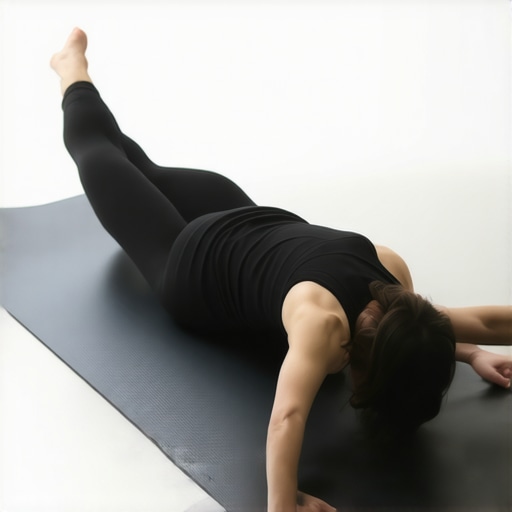
The ‘Dead Bug’ Exercise: Why It’s Better for Backs Than Sit-Ups
Ever since I first pushed through a basic sit-up, I felt that familiar twinge in my lower back that seemed to say, “Not so fast, buddy.” That uncomfortable reminder prompted me to dig deeper into safer, more effective ways to strengthen my core without causing pain. It was a lightbulb moment—realizing that traditional crunches and sit-ups might do more harm than good for our backs, especially if you’ve ever experienced persistent discomfort or fear of injury. If you’ve ever found yourself grimacing during those classic abdominal exercises or feeling the need to skip workouts altogether because of back pain, you’re not alone.
Breaking Free from Back Strain: The Shift to Dead Bug
What I discovered was remarkable: the dead bug exercise offers a gentle yet effective way to build core stability without stressing the spine. Unlike sit-ups, which often encourage dangerous neck pulling or hyperflexion, the dead bug emphasizes controlled, intentional movements that protect your back. I started integrating this exercise into my routine, and not only did my back pain diminish, but I also felt more balanced and less tense during daily activities. It’s a game-changer—an anchor for anyone seeking to enhance mobility and strength without risking injury.
Can Exercise Be Too Aggressive for Your Spine?
One mistake I made early on was rushing to include more intense core workouts without understanding that some exercises—especially traditional sit-ups—could inadvertently place pressure on the lower back or neck. This oversight led to setbacks instead of progress. Trust me, strengthening your core isn’t about doing the hardest move possible; it’s about doing the right move, safely. If you’re curious about how to protect your spine while training, I recommend exploring expert-backed methods that prioritize your well-being.
Now, let’s dive into why the dead bug is a safer, smarter choice—and how you can start making that switch today.
,
Start with Slow, Controlled Movements
When I first incorporated the dead bug into my routine, I was tempted to rush through reps to get it over with. Instead, I focused on slow, deliberate movements, similar to carefully threading a needle. This approach helped me engage my deep core muscles rather than compensating with hip or momentum. For example, lying on my back, I gently lifted my arms and legs, keeping my lower back pressed into the floor. If you rush, you’ll likely recruit superficial muscles, diminishing the exercise’s safety and effectiveness. Practice this with a mirror initially, to ensure you’re not arching or misaligning your spine.
Engage Your Deep Core Like a Natural Corset
Activate transversus abdominis before moving
Before starting the dead bug, I learned to brace my core as if preparing for a gentle punch to the stomach. Contract those deep muscles—think of tightening a corset—without holding your breath. This activation stabilizes your spine and prevents unnecessary strain. To cue yourself, try exhaling slowly as you tighten, then maintain this engagement throughout the movement. This tactical brace acts like a natural, flexible support system—much safer than relying on external braces or risking overextending with improper form.
Maintain Neutral Spine Throughout
One mistake I caught myself doing was unknowingly tilting my pelvis or arching my back during the exercise. To prevent this, I focused on keeping my pelvis in a neutral position—imagine balancing a tray on your hips without tipping it forward or back. Use your hands to feel for downward pressure on your lower back. If you notice any lift or flattening, pause and realign. This step ensures the core works as intended, sparing your lumbar discs and ligaments from awkward stress.
Progress Gradually to Challenge Yourself Safely
As I became more confident, I added momentary holds or extended the duration of each movement, like pausing at the top of a plank rather than rushing through reps. This incremental increase prevents overloading fragile tissues and solidifies proper form. For instance, I held the dead bug position for five seconds before lowering, focusing on maintaining neutral spine and breath control. Remember, quality trumps quantity—especially when protecting your back from injury or chronic pain.
Connect Movement to Daily Care
Integrating these practices made a noticeable difference in my overall mobility. For example, when reaching into a high shelf, I activated my core to keep my spine stable—transforming a simple task into a low-risk movement. Over time, these micro-adjustments fortified my spinal support, reducing pains and stiffness. For comprehensive relief techniques, explore expert tips for neck pain relief. If discomfort persists, consider consulting a professional—visit our contact page for guidance. Consistency is king: ensure daily practice, mindful movement, and proper posture become habits to keep your spine healthy and strong.Many individuals believe that visiting a chiropractor will instantly restore their back or neck health, but this oversimplifies the complex nature of pain and mobility issues. A common myth is that chiropractic adjustments alone can permanently solve problems without addressing lifestyle or movement patterns. In reality, effective care involves understanding the nuanced interplay between joint function, muscular balance, and neural pathways. For example, focusing solely on spinal joints without considering how your daily habits contribute to pain can lead to temporary relief but not lasting results. This oversight is a trap many fall into, expecting quick fixes instead of embracing a comprehensive approach that includes movement, ergonomics, and neuro-muscular training. One advanced concept often overlooked is the importance of proprioception—your body’s ability to sense its position—which significantly influences recovery and mobility. Experts like Dr. Stuart McGill emphasize that restoring spinal stability isn’t just about manipulation but also about retraining your nervous system to maintain proper movement without pain.
A critical mistake is neglecting the body’s integrated systems; for example, tight hip flexors can limit lumbar mobility and undermine chiropractic efforts if not addressed. To truly enhance your results, consider combining manual therapy with targeted exercises that re-educate muscle coordination and neural feedback loops. For those interested in exploring more, our practical guide on effective neck pain management will provide insights into techniques that complement chiropractic care. Always remember, persistent or recurrent pain warrants a personalized assessment—so don’t hesitate to reach out through our contact page. Understanding the real nuances helps you avoid common pitfalls, leading to faster, more sustainable recovery.
Are you falling into the trap of thinking adjustments are enough? Share your experiences in the comments—I’d love to hear your story and help you navigate toward better mobility and pain-free living.
Invest in Quality Equipment for Long-Term Success
Maintaining spinal health requires more than just exercises; having the right tools can make a significant difference. I personally recommend a high-density foam roller, specifically shaped for targeted muscle release. It helps reduce fascia restrictions around the hips and lower back, promoting better mobility and pain relief. Using a foam roller regularly has enabled me to prevent flare-ups and keep my tissues supple, especially after long periods of sitting or intense workouts. Additionally, Incorporate resistance bands like the TheraBand for gentle strength training, which allows controlled movement and helps reinforce proper biomechanics. These tools are affordable and portable, making consistent self-care easy, whether at home or on the go.
Digital Aids Can Enhance Your Routine
There’s also a growing trend toward using digital applications tailored for spinal health. Apps like Mastering Back and Neck Pain Relief offer guided routines that combine exercises, stretching, and posture checks. I find these especially useful for maintaining accountability and ensuring proper form. They can provide feedback, track progress, and motivate continuous effort—key elements for long-term results. Moreover, integrating wearable posture monitors can alert you when you’re slouching, reinforcing healthy habits throughout the day.
How do I sustain improvements over time?
Consistency is the backbone of lasting spinal health. Regularly scheduled movements like daily foam rolling sessions combined with mindful posture adjustments create a resilient foundation. Remember, transient fixes aren’t enough; long-term commitment and the right tools empower you to take control of your mobility. To deepen your understanding, check out chiropractic techniques for boosting mobility, which can complement your tool-based routines. Always tailor your tools to fit your specific needs—consult a professional if unsure.
Future of Personal Spinal Maintenance
Looking ahead, I believe this trend will evolve toward smarter, more integrated systems—like app-connected devices and AI-guided exercises—making spine care increasingly personalized and accessible. Staying ahead means embracing these technological advances while maintaining foundational tools like foam rollers and resistance bands. Want to explore a proven method? Start by incorporating a targeted foam rolling session post-workout; it’s simple, effective, and a game-changer for long-term neck and back health. Remember, taking proactive steps today sets the stage for a flexible, pain-free tomorrow.

Throughout my journey of improving back health, I realized that the most profound lessons often stem from mistakes—learning what not to do can be just as powerful as understanding the right steps. One key insight was recognizing that rushing through core exercises, like pushing through pain or neglecting proper form, only set me back. Patience and deliberate movements became my allies in building resilience. I also discovered that integrating mobility work into daily routines, rather than viewing it as a separate task, created a seamless path to sustainable spine health. Small adjustments—like mindful posture or strategic tool use—not only prevented injuries but empowered me to enjoy activities I thought were off-limits. The real game-changer was understanding that ongoing education, staying curious about the latest techniques, and listening to my body’s signals fostered lasting progress instead of temporary relief.
Lessons Only Time and Practice Taught Me About Lasting Spinal Well-Being
- Faster isn’t always better: Rushing core workouts and ignoring proper alignment can lead to setbacks. Slow, controlled movements build the deep core strength needed for real stability.
- Consistent micro-movements matter: Short, daily mobility drills, like gentle arching or breathing exercises, create cumulative benefits that far surpass sporadic sessions.
- Listening over pushing: Honoring your body’s feedback prevents overtraining and injury. Pain is a message, not a challenge to endure blindly.
- Holistic care beats quick fixes: Combining movement, ergonomic adjustments, and mental mindfulness creates a foundation for resilient spinal health that endures over time.
My Go-To Gear for Protecting Your Spine Long-Term
- High-density foam rollers: Essential for releasing fascia and maintaining tissue flexibility—I’ve personally found them indispensable after long days or workouts.
- Resistance bands like TheraBands: Gentle, effective tools for reinforcing correct movement patterns without risking strain.
- Digital posture apps such as the ones linked in our expert tips: These help me stay accountable and refine habits—staying proactive with technology is a game-changer.
- Ergonomic accessories like adjustable stands or lumbar supports: Small investments that promote better posture and reduce strain during work or relaxation.
You Deserve a Future with Less Pain and More Movement
Embracing mindful practices, using the right tools, and committing to gentle progression can transform your spinal health for the better. The power to change is in your hands—every mindful movement and smart choice today sets the stage for a vibrant, pain-free tomorrow. Remember, your journey is unique, and continuous learning fuels lasting improvements. Ready to take the next step? Your healthier spine awaits—start today, and let confidence in your care grow!
What’s the one small change you’re committed to making this week for better spinal health? Share below—I’d love to hear your story and support you along the way.
,