
How Your Eyes Are Secretly Dictating Your Posture
Have you ever caught a glimpse of yourself in the mirror and thought, “Why does my neck feel stiff every morning?” Only to realize that, unconsciously, your eyes might be the culprits. One morning, after waking up with a persistent ache in my shoulders and neck, I had a lightbulb moment: my poor posture wasn’t just about slouching at my desk. It was about something deeper—something I hadn’t paid enough attention to—my eye habits.
The Surprising Link Between Eyes and Posture
It turns out that our visual system plays a significant role in our overall alignment. When your eyes are constantly strained or if you habitually tilt your head to see better, it can lead to a cascade of postural adjustments that stress your neck and spine. I learned that even subtle, everyday habits—like looking at your phone at a downward angle—can cause your eyes to send misleading signals to your brain about what level actually is. Over time, your body compensates, leading to misalignments and discomfort.
Could Your Eyes Be Sabotaging Your Posture?
I used to dismiss minor eye strain, thinking it was just a temporary annoyance. But neglecting this aspect can cause real, chronic problems. The good news? Once I started paying close attention to how I used my eyes—especially during work or screen time—the tension started diminishing. Incorporating simple adjustments made a world of difference. For more insights on natural solutions, check out how chiropractic care can help improve mobility and reduce discomfort.
Before we dive into practical steps, I want to share a mistake I made early on: ignoring the subtle signs my body was giving me. It’s easy to dismiss initial discomfort as nothing, but those are often the first clues your posture is being compromised by something invisible—like your eye habits. Recognizing this connection changed everything for me, and I believe it can do the same for you.
Align Your Screen and Workspace for Better Eye and Neck Health
Start by adjusting your computer monitor so that the top of the screen is at or slightly below eye level. This prevents you from tilting your head down, reducing strain on your neck and eyes. I once spent an afternoon repositioning my monitor using books and found that my neck tension decreased significantly by the end of the day. Use a stable stand if needed, and ensure your workspace encourages a neutral head position.
Introduce Regular Eyes and Posture Breaks During the Day
Implement the 20-20-20 rule: every 20 minutes, look at something 20 feet away for at least 20 seconds. During these breaks, stretch your neck gently by turning your head side to side and rolling your shoulders. I set a timer, and initially, I felt awkward stopping my work frequently, but over a week, my neck discomfort started fading. These pauses reset your visual and musculoskeletal systems, preventing prolonged strain.
Practice Micro-Adjustments to Your Visual Focus and Head Position
Focus on keeping your eyes level and avoid gazing at your phone or documents placed below eye level. When reading or using your device, lift it to eye level or bring the content closer to your face. I once caught myself looking down at my phone for hours, resulting in a stiff neck. By simply adjusting my grip and raising my device, I noticed immediate relief and better posture awareness.
Engage in Eye and Neck Strengthening Exercises
Incorporate gentle eye movements, like tracking objects from side to side, and neck stretches to maintain flexibility and strength. A quick example I did involved slowly turning my head to one side, holding for a few seconds, then switching. This routine, practiced twice daily, improved my postural stability and reduced strain. Regularly exercising these areas can correct subconscious compensations that lead to misalignment.
Optimize Your Lighting to Minimize Strain
A well-lit workspace reduces the effort your eyes need to exert. Use adjustable lamps to complement your ambient lighting. I once worked in a poorly lit corner and found myself squinting and tilting my head to see better. After adding proper lighting, my eyes relaxed, and my overall posture improved. Proper illumination prevents unnecessary eye strain, which can influence head and neck positioning.
Integrate Mindful Posture Checks into Your Routine
Set hourly reminders to briefly assess your posture. Sit upright with your ears aligned over your shoulders, and your chin slightly tucked. I used to drift into slouched positions, especially after long screen sessions, leading to neck discomfort. Using a simple mental checklist or timers keeps you aware of your posture, enabling immediate correction when needed.
These steps, combined with awareness of how eye habits influence your body’s alignment, create a holistic approach to relief. For complex or persistent issues, consider consulting a professional; knowledgeable chiropractors can offer personalized guidance. Explore how chiropractic care can help enhance your mobility and address underlying causes of discomfort by visiting this resource.
Many individuals believe that back and neck pain stem solely from obvious causes like poor posture or injury, but this is a common misconception. A crucial nuance often ignored is how our nervous system’s adaptability and subconscious habits influence our musculoskeletal health. Contrary to popular belief, pain isn’t always a sign of structural damage; it can also be a symptom of neurological miscommunication or adaptive muscle guarding that develops over time. It’s a trap to assume pain is purely mechanical and treat it only with external adjustments, as this overlooks the complex interplay between your brain, nerves, and muscles.
more advanced perspective involves understanding how proprioception—the body’s sense of position—can become distorted, leading to compensatory movements and chronic discomfort. For example, research by Dr. David Simons highlights that dysfunctional reflexes in the nervous system perpetuate pain patterns, even after initial injury has healed (see this expert insight on chiropractic’s role in reprogramming these reflexes). Recognizing this nuance prevents the common mistake of solely focusing on manual therapy, urging a comprehensive approach that includes neural re-education, strength balancing, and lifestyle adjustments. Many people get caught in the cycle of temporary relief without addressing the underlying neural maladaptations. If you want to explore how to reset your nervous system’s feedback loops, consider consulting with a skilled chiropractor familiar with neuromuscular re-education. Curious about how this advanced understanding can aid your recovery? Visit here for impactful strategies.
Benefit from integrating neural-focused methods into your routine—something many overlook—such as specific mobility drills that rewire proprioception and optimize muscle coordination. Doing so can unlock lasting relief and sustainable movement improvements. Don’t let myths about structural damage slow your progress; embracing this nuanced approach is key to true recovery. Have you ever fallen into this trap? Let me know in the comments.
Keeping your back and neck in top shape requires more than just awareness; it demands reliable tools and consistent routines. Over the years, I’ve discovered that investing in specific equipment and software can make a significant difference in maintaining mobility and preventing long-term issues.
How do I maintain my mobility and posture over time?
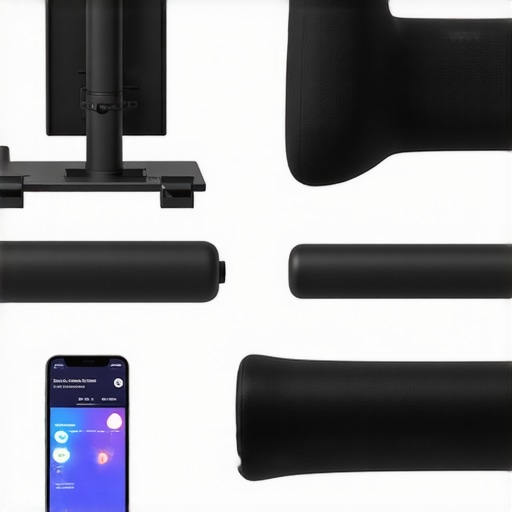
One of my go-to tools is the use of a high-quality ergonomic monitor stand. I personally use the stand that positions my monitor at eye level. Not only does this reduce neck strain, but it also encourages a neutral spine posture. I replaced my traditional desk setup with this easy upgrade, and the difference in comfort has been remarkable. Additionally, I rely on a sit-stand desk converter, which allows me to alternate between sitting and standing throughout the day, aiding circulation and reducing stiffness.
Incorporating mobility tools like a foam roller, specifically the Voxx Life Neuroband, has been a game-changer. I use it daily for my upper back and shoulders, which helps release muscle tightness and improve circulation — a technique supported by neuroscience research on neuroplasticity and muscular re-education (details here). For more advanced neural re-education, I incorporate biofeedback devices like the Neurofeedback Headband, which trains your brain to maintain optimal posture and reduce subconscious tension.
On the software front, I recommend using posture reminder apps such as PosturePal. These tools gently prompt you to sit upright or take breaks, reinforcing good habits. Over time, this digital nudging becomes second nature, aligning your daily routine with long-term spinal health.
The future of back health tools is rapidly evolving. Expect more integration of AI-driven posture correction, wearable sensors that provide real-time feedback, and customized physical therapy programs accessible from your home. Staying ahead by adopting these innovations can exponentially improve your quality of life.
What specific equipment can truly support your long-term health?
Consider investing in a Lumbar Support Pillow designed for prolonged sitting—like the Therm-a-Rest Z-Lite. I use it during long work sessions, which maintains the natural curve in my lumbar spine. Combining this with regular movement and targeted stretches has helped me avoid chronic pain and stiffness.
Remember, the tools alone won’t suffice; pairing them with consistent practices and periodic professional check-ins makes all the difference. If you’re unsure about how to tailor your toolkit, scheduling a consultation with a knowledgeable chiropractor can provide personalized recommendations—[contact us](https://quackersspinal.com/contact-us-2) for expert guidance.
Try integrating one new piece of equipment or technique from this list this week, and observe how your body responds. Small, focused changes compound over time, leading to lasting improvements. As research from Dr. David Simons indicates, neural re-education and consistent habits are key components of durable pain relief (more info here).
Your journey to sustained mobility and pain-free living is ongoing, but with the right tools and mindset, success is within reach.
Sometimes, the most profound insights come from our own experiences. Over years of exploring back and neck health, I’ve uncovered truths that turned my approach from reactive to proactive. These lessons continue to shape my journey—and I hope they do the same for you.
The Unexpected Power of Subtle Habits
One of my hardest lessons was realizing that minor daily behaviors—like the angle of my phone or the height of my computer screen—had outsized effects on my posture. Small adjustments, such as raising my device to eye level, created ripple effects that drastically reduced tension. This taught me that big changes often start with simple, conscious shifts.
Neural Rewiring Is More Effective Than Willpower
I used to rely solely on stretching and strengthening, but I discovered that neural re-education tools—like biofeedback sessions—accelerated my recovery. Rewiring my body’s feedback loops not only provided relief but prevented future issues. Embracing this neurocentric approach opened doors I hadn’t considered before.
Consistency Outperforms Quick Fixes
Early on, I sought quick solutions, but I learned that integrating daily routines—short mobility drills, mindful posture checks—bays long-term results. Patience and persistent habits surpass temporary remedies, emphasizing that true wellness is a lifestyle, not a sprint.
Knowledge From Trusted Sources Transforms Practice
Connecting with reputable resources made all the difference. Books like “Mobility Mastery” and expert insights from chiropractors helped me understand the hows and whys behind effective strategies. Trusting credible information ensures you’re building a foundation that lasts.
Curated Resources for Ongoing Growth
My essential toolkit includes ergonomic gear like adjustable monitor stands, evidence-based books, and innovative tools such as biofeedback devices. Each has enriched my routine, offering tangible benefits that keep me aligned and pain-free. Exploring these resources can set you on a path to sustained mobility.
Ignite Your Inner Resilience and Action
Your back and neck health are dynamic, ongoing pursuits—far beyond temporary relief. Embrace small daily habits, seek knowledge that resonates with you, and stay committed to your journey. Remember, every conscious choice you make today seeds the foundation for a stronger, pain-free tomorrow.
Which novel habit or tool are you excited to try out first? Share your thoughts below and let’s grow together on this path to well-being.