How to stop your back from arching when you reach for high shelves
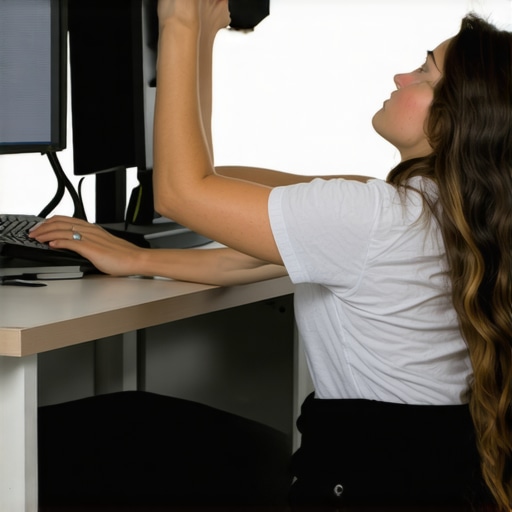
I remember the moment clearly—reaching for the top shelf in my kitchen, and suddenly feeling that sharp twinge in my lower back. My muscles instinctively clenched, and I found myself hobbling back to the couch, wondering how I let something so simple turn into a painful ordeal. That lightbulb moment made me realize how often I neglect the way we move in everyday life, especially during routine activities like grabbing a cereal box or reaching for a vase.
If you’ve ever experienced that uncomfortable arching of your back when extending your arm upward, you’re not alone. Many people unknowingly develop poor movement habits that lead to persistent discomfort and even long-term spinal issues. The good news is, with a few practical adjustments, you can prevent your back from arching excessively during these everyday motions.
Today, I promise to share effective strategies that helped me re-educate my body and stop that unwelcome arching. These tips are based on expert advice and my personal journey toward better mobility and pain-free reaching.
Why Does Your Back Arch When Reaching Up? And Why Is It a Problem?
Reaching for high shelves often triggers our body’s natural reflex to compensate for limited mobility or weak core support. When we don’t engage the right muscles, our lower back takes on too much strain to lift and extend the arm. Over time, this habitual arching can contribute to muscle imbalances, joint strain, and even chronic back pain. According to spinal health experts, improper movement patterns during simple tasks like reaching are common culprits behind back discomfort (https://quackersspinal.com/understanding-back-pain-a-guide-to-better-posture-and-mobility).
One early mistake I made was neglecting to pay attention to my posture and relying solely on my back to reach the high spots. This instinctual move might seem harmless, but it sets the stage for ongoing issues. The truth is, our bodies need proper activation and support to move safely and efficiently. I’ll guide you through practical steps that can help you retrain your movement so your back stays safe, even during those quick reaches.
Are you tired of that nagging back pain every time you stretch upward? Or maybe you’ve just started noticing that discomfort and want to address it before it worsens. If so, you’re exactly where you need to be. Let’s learn how to make reaching an effortless, pain-free motion instead of a frightening risk.
Engage Your Core First
Before reaching up, tighten your abdominal muscles as if you’re bracing for a gentle punch. I learned this during a morning routine when I noticed my back still arched excessively; consciously engaging my core kept my spine neutral, resulting in less strain and more control. This simple habit acts like a built-in shock absorber, supporting your spine during movement.
Use Your Legs as a Foundation
Instead of relying solely on your back, bend your knees slightly and use your leg muscles to elevate your reach. Think of it like climbing a ladder; you push from your legs, not your back. When I first applied this to grab a high shelf in my kitchen, I felt my lower back stay flat, reducing pain and preventing instability. This shift distributes effort evenly and reduces undue spinal load.
Mind Your Posture at the Waist
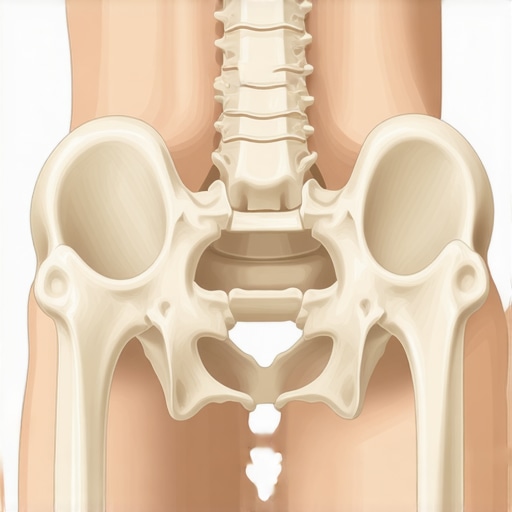
Maintain awareness of your hip position; avoid tilting forward or arching excessively. Picture your hips as the hinge of a door—keep it steady. During an early practice, I caught myself leaning too far forward, which caused a sharp pull in my lower back. Staying upright while reaching ensures your spine stays aligned and reduces unnecessary strain.
Visualize a Lengthening Line
Imagine a string pulling the top of your head upward as you reach, elongating your spine. During a personal session, I used this mental cue, which helped me avoid collapsing or arching my back. This technique encourages proper extension rather than compensatory movement, keeping your back safe.
Control Your Breathing
Synchronize your reaching motion with deep, steady breaths. Exhale softly as you extend, tightening your core naturally. I noticed that shallow, rapid breaths led to tension and poorer control. Proper breathing maintains muscular balance and prevents sudden, jarring movements that can compromise your spine’s integrity.
Practice in Front of a Mirror
Use a mirror to observe your form during reaching. I set up a mirror in my workout space and watched my posture, catching habits like leaning too far or arching excessively. Visual feedback accelerates correct movement patterns, ingraining safer techniques that become automatic over time.
Incorporate Mobility Exercises Regularly
Daily mobility drills improve your range of motion, making reaching less of a strain. A simple move I adopted was the thoracic spine rotation, performed seated, which increased my upper back flexibility and reduced compensatory back arching during reaching tasks. Consistent practice fortifies your movement patterns and protects your spine from habitual misuse.
Many believe that chiropractic care is all about quick fixes—an adjustment here or a massage there. But in my years of experience, I’ve observed that a common myth persists: that chiropractors only treat symptoms, not underlying issues. This misconception can lead to overlooked nuances in spinal health, especially concerning mobility and pain management. For example, some assume that once pain subsides, the problem is fully resolved, but the reality is more complex. True chiropractic success involves addressing mobility restrictions and underlying neuromuscular patterns.
A critical trap to avoid is the over-reliance on passive treatments like adjustments alone. While adjustments can provide immediate relief, they don’t necessarily correct movement dysfunctions or prevent future pain. In fact, studies show that combining chiropractic interventions with active mobility exercises yields better long-term outcomes (https://quackersspinal.com/restore-your-back-mobility-proven-chiropractic-strategies). Relying solely on adjustments without enhancing movement quality can lead to dependency and persistent discomfort.
Another common misconception is the belief that neck and back pains are purely mechanical issues. However, research suggests that factors like nerve sensitivity, muscular compensation patterns, and even psychological stress play significant roles. For instance, prolonged tension in the cervical muscles might stem from postural habits that aren’t addressed by traditional chiropractic adjustments alone. It’s essential to understand that pain is often a symptom of broader nervous system dysregulation, not just a mechanical misalignment.
A compelling point from expert sources is that improving spinal health involves a holistic integration of mobility, stabilization, and neuromuscular training. This approach emphasizes active participation in your recovery, not just passive receiving of treatments. As I discuss in my guide on better posture and mobility, understanding these intricacies can unlock lasting relief.
Have you ever fallen into this trap? Let me know in the comments, and share your experiences or questions about navigating the complex world of chiropractic and movement optimization.Maintaining your improvements in mobility and spinal health requires the right tools and consistent effort. I personally rely on a combination of mobility devices, chiropractic strategies, and mental habits to sustain long-term results. One critical tool I recommend is a foam roller with a textured surface, like the TriggerPoint GRID, which helps release myofascial tightness in key areas such as the thoracic spine and hips. I use it regularly after workouts to prevent the buildup of stiffness that can compromise strides toward pain-free movement and preserve the gains from chiropractic adjustments. Additionally, incorporating an adjustable resistance band into my daily routine allows me to perform self-mobilization exercises targeting problem areas, reinforcing mobility improvements. Software also plays a role; apps like PhysiApp or PocketPhysio provide guided exercises tailored to my evolving needs, ensuring I stay proactive about my spinal health rather than reactive. Prediction indicates that wearable biofeedback devices will become more integrated into everyday health routines, offering real-time correction cues for posture and movement.
How do I sustain my mobility gains over time?
Consistency is key. I set aside 10 minutes daily for targeted mobility drills, focusing on areas prone to tension or weakness. Regularly revisiting cornerstone content such as proven chiropractic strategies ensures my approach remains aligned with best practices. Monitoring my progress with simple tools like a mirror or a posture app helps me catch deviations early. Remember, recalibrating your habits periodically—like adjusting your workspace ergonomics based on tips on laptop ergonomics—is vital for sustained success. I encourage you to try using a foam roller in your routine today; it’s simple but highly effective at maintaining tissue flexibility as your mobility improves. Over time, these small habits compound, leading to lasting results. Stay committed, and your body will thank you.
What I Wish I Knew About The Small Details That Matter
One of the most profound lessons I learned was how tiny adjustments in my movement habits could drastically improve my spinal health. For example, engaging my core before reaching didn’t just help with immediate discomfort—it transformed my entire approach to everyday tasks. It’s incredible how minor cues, like imagining a string pulling your head upward, can recalibrate your posture effortlessly.
Another insight was recognizing that relying solely on passive treatments like adjustments isn’t enough. Active involvement—such as regular mobility exercises—has been a game-changer. This realization pushed me to incorporate daily routines that strengthen stability and promote lasting relief, rather than temporary fixations.
Also, I discovered that mental cues—visualizing lengthening the spine or controlling my breathing—play a significant role. These techniques serve as powerful reminders to move consciously, turning routine reaches into opportunities for proactive spinal care. This nuanced understanding is something I wish more people knew: that empowering your mind complements physical habits perfectly.
Tools That Keep My Back Pain-Free
- Foam Rollers like the TriggerPoint GRID: I use these to release fascia tightness after long days. They help maintain tissue flexibility, which is crucial for pain prevention.
- Resistance Bands for Mobility Drills: These add resistance that strengthens supporting muscles and improves movement patterns, making daily reaches safer.
- Posture and Mobility Apps: Tools like PhysiApp guide me through personalized exercises, ensuring my routine adapts as I progress. Digital mentorship keeps me consistent and accountable.
- Educational Resources: Reading comprehensive guides on restoring back mobility has deepened my understanding, reminding me that knowledge is power in long-term health maintenance.
Embrace Your Journey Toward Pain-Free Movement
Taking small steps today can lead to transformative changes in your mobility and spinal health. Remember, each conscious movement, supported by the right tools and mindset, is a victory over habits that cause pain. Don’t let fear or uncertainty hold you back—your body is resilient and capable of remarkable recovery when given the right attention. Now, it’s your turn: what small habit will you start today to protect your back and neck? Share below and join a community committed to lasting health.