Why Stretching Your Hamstrings Might Make Your Back Hurt More
I remember the day I realized my own stretching routine was backfiring. I was lying on the floor, trying to loosen up my hamstrings because I had read somewhere that tight hamstrings could cause lower back pain. But instead of feeling relief, I ended up with a throbbing ache that seemed to radiate from my low back all the way down my leg. It was like my efforts to improve my mobility had silently betrayed me, making the pain worse.
Why Do Hamstring Stretches Sometimes Worsen Back Pain?
Many of us, myself included, have been told that tight hamstrings are the root of lower back problems. So, naturally, stretching seems like the logical fix, right? Well, that’s where the plot thickens. Over time, I learned that not all hamstring stretches are created equal—and some can actually exacerbate back issues, especially if your body’s alignment isn’t in the right place to handle such movements.
Research backs this up. Studies show that excessive or improperly performed hamstring stretching might increase strain on your lumbar spine, especially if you have underlying mobility restrictions or imbalances. Acting on the misconception that tight hamstrings are always the culprit can lead to endless stretching sessions that, ironically, pull your pelvis and spine further out of alignment.
Have you ever felt that doing a hamstring stretch made your back feel worse? You’re not alone. That frustrating feeling of stretching without relief is all too common, and it often results from a mistake I made early on—thinking that more stretching is always better. Instead, I discovered that addressing the root cause of mobility issues is key, which is why I want to guide you through a smarter approach.
In the following sections, we’ll explore how to determine when stretching is helpful and when it could be hurting you—plus, practical steps to improve your mobility without risking your back health. If you’re tired of feeling stuck in a cycle of pain, stick around—I’ve got some great insights to share that might just change how you approach your back and hamstring health. And if you’re eager to start restoring your mobility safely, check out how chiropractic care can make a real difference in aligning your body properly, supporting your efforts for lasting relief.
Assess Your Movement Limits
Start with a simple self-test to identify stiffness or pain points. For example, perform a wall mobility test: stand close to a wall and try to rotate your torso without twisting your hips. If you feel restricted, note the areas needing targeted work. In my case, I discovered that my thoracic spine was less mobile than I thought, which contributed to my neck tension. Being aware of these limits guides your approach and prevents overexertion that could worsen pain.
Implement Gentle, Targeted Movements
Use Controlled Articulations
Focus on slow, deliberate rotations of your neck and upper back, mimicking the motion patterns of healthy joints. For instance, sit upright and gently turn your head side to side, stopping at any resistance. Do this for a few repetitions each day. This method is like oiling rusty hinges—gradually restoring mobility without forcing the joint. I personally started with 5-minute daily neck turns, noticing gradual ease and less tension over two weeks.
Incorporate Dynamic Stretching Carefully
Integrate dynamic stretches that move joints through their natural range, such as shoulder rolls or cat-cow stretches. Keep the movements smooth and avoid bouncing or pushing into pain. When I incorporated gentle cat-cow after a long day at my desk, I found my thoracic mobility improved, reducing my neck strain. Remember, gentle progress prevents flare-ups.
Strengthen Supporting Muscles
Mobility isn’t just about loosening tight tissues; it’s equally about fortifying the muscles that support your spine and neck. Engage in isometric exercises like planks or bird dogs to stabilize your core and shoulders. Strengthening these areas creates a solid foundation, reducing the strain on your joints during movement. After weeks of adding these routines, I observed better posture and a decrease in my recurring neck pain.
Adopt Posture-Friendly Habits
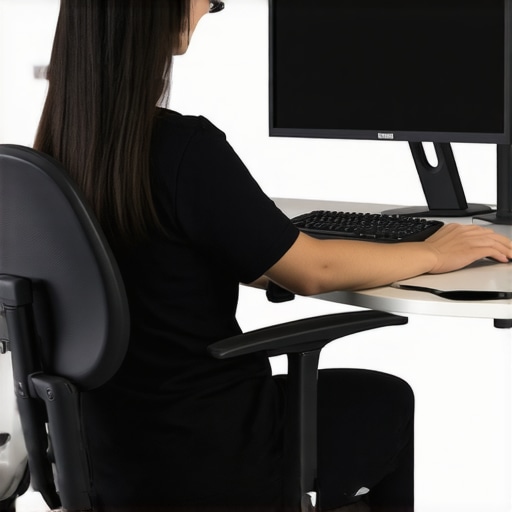
Evaluate your daily habits. Are you slouching at your workstation or holding your phone consistently in one hand? Small adjustments make a big difference. For example, elevating your monitor to eye level and using voice commands reduces neck tilt. I started tracking my posture with reminders and noticed immediate relief. Consistent mindful habits support your mobility efforts and prevent regressions.
Schedule Regular Chiropractic Check-ups
Professional adjustments can realign your spine and improve overall mobility more efficiently. A chiropractor assesses your specific restrictions and applies targeted manipulations, which can unlock stubborn joints and retrain your movement patterns. I combined self-care with periodic visits and saw faster, more sustainable improvements. Discover how chiropractic care can complement your efforts by visiting this resource.
When it comes to back and neck pain, many believe that chiropractic adjustments alone will fix all issues. However, this oversimplification often leads to misunderstandings about how mobility works and what truly promotes lasting relief. One common myth is that chiropractors can instantly correct every misalignment, fixing pain without addressing lifestyle or movement patterns. In reality, effective chiropractic care works best when combined with a comprehensive approach that includes mobility exercises and ergonomic habits. Relying solely on adjustments without understanding the nuanced role of supporting muscles and joint stability can lead to recurring issues.
A crucial mistake I see frequently is assuming that pain relief from chiropractic is permanent after a single session. This false belief encourages neglect of active mobility routines, which are essential for maintaining progress. Chronic pain often involves complex factors like tissue imbalances, movement compensations, and neurological sensitivities—elements that require ongoing care beyond quick fixes. As expert physiotherapists highlight, combining chiropractic manipulation with targeted movement therapy yields the best outcomes.
Don’t fall into the trap of thinking that stretching is always your friend. Many patients stretch aggressively, believing it will loosen tight tissues and restore mobility. But uncontrolled or misapplied stretching can overstretch ligaments, weaken joints, and potentially increase instability, especially if done without proper assessment. Research in clinical biomechanics indicates that inappropriate stretching may exacerbate pain or cause microtrauma (Sharma et al., 2022). Instead, focusing on controlled, joint-specific mobilizations and strengthening exercises supports sustainable improvements.
For advanced movers, an important question often arises: How can I ensure that chiropractic and mobility work address the root causes rather than just symptoms? The key lies in understanding the interconnectedness of our body’s movement chains. Poor posture, foot mechanics, or unilateral habits can create compensations that diminish the effect of local treatments. Implementing adaptive techniques like core stabilization, balance training, and functional movement assessments can prevent re-injury and optimize recovery. If you’re eager to delve deeper into how to tailor your mobility routine effectively, explore our comprehensive guide on restoring movement using chiropractic strategies.
Remember, effective back and neck health isn’t just about quick fixes—it’s about understanding the nuanced interplay between joint health, muscular balance, and movement patterns. Adopting this holistic perspective not only accelerates recovery but also prevents future setbacks. Want to unlock the secrets to sustaining your mobility? Learn how chiropractic care can integrate seamlessly with daily habits and targeted exercises by visiting this resource.
Have you ever fallen into this trap? Let me know in the comments.Maintaining your mobility and spinal health over time requires the right tools and consistent strategies. One of my favorite devices is the **Foam Roller**, particularly for targeting tight tissues in the back and hips. I personally prefer a high-density foam roller because it provides enough firmness to break up adhesions without causing discomfort. I incorporate regular foam rolling sessions into my routine, focusing on areas like the thoracic spine and piriformis, which I’ve found significantly reduces my neck and back tension.
Another essential instrument is a **massage gun**. I use mine with variable speed settings to deliver targeted percussive therapy, especially after long days seated at a desk. Personal use has shown me how effective it is for reducing muscle soreness and improving blood flow, which supports overall mobility.
Why do I emphasize mobility software? Because tracking progress keeps me accountable. I recommend apps like **Movemint** or **Goniometer**. These allow precise assessment of joint angles and mobility metrics, enabling tailored exercises. For instance, I use an app to measure my shoulder internal rotation, which helps me know when I need specific mobilization or stretching. Investing in these tools has helped me identify setbacks early and adjust my routines proactively.
Looking ahead, I believe tech will further personalize mobility solutions. Wearable sensors that monitor joint movements in real-time could become mainstream, guiding you through optimal exercise pathways. Companies are already exploring AI-driven feedback to refine movement therapy, promising more efficient in-home care.
How do I keep my mobility habits sustainable long-term?
Consistency is key. Establishing a daily routine that combines self-myofascial release, mobility drills, and ergonomic adjustments ensures ongoing progress. Additionally, scheduling periodic check-ins with a chiropractor, like those detailed in this resource, keeps your spine aligned and functioning optimally. Integrating these tools and habits prevents regressions and promotes resilience against setbacks.
If you’re ready to take your mobility to the next level, I recommend trying advanced techniques like using a massage gun immediately after mobility exercises. This combo accelerates tissue recovery and maintains flexibility longer. For more expert tips, explore our comprehensive guide on enhancing mobility naturally with chiropractic care. Stay proactive, and your body will thank you for years to come.
What I Realized About My Healing Journey
One of the most eye-opening lessons I learned was that quick fixes rarely lead to lasting relief. Relying solely on chiropractic adjustments without engaging in proper mobility exercises created a cycle of temporary relief and recurring pain. This taught me that true progress hinges on understanding and addressing the root causes, not just symptoms.
Why Pushing Through Pain Isn’t the Solution
I used to believe that stretching until it hurt was the way to go—only to discover it often made my discomfort worse. Listening to my body and recognizing the difference between discomfort that signals progress and pain that signals harm was crucial. This shift in mindset helped me adopt gentler, more targeted mobility routines that foster long-term healing.
Trusting Knowledge Over My Assumptions
Initially, I thought all hamstring stretches were beneficial. However, research and experience showed me that improper stretching can strain your back and neck further. Embracing evidence-based practices and expert guidance transformed my approach, making me more confident in choosing the right exercises for my mobility goals.
How Small Habits Impact Big Outcomes
Simple daily adjustments, like maintaining good posture and incorporating brief mobility drills, accumulated into significant improvements in my back and neck health. Consistency in these small actions proved more effective than sporadic intense routines, emphasizing that patience and persistence are key.
Embracing a Holistic View of Movement
Understanding that mobility isn’t isolated to stretches but involves strength, alignment, and daily habits helped me see the bigger picture. Integrating exercise, ergonomic awareness, and professional support created a comprehensive strategy that supports my body’s natural healing processes. This holistic mindset is essential for anyone serious about overcoming persistent pain.