Why You Should Stop Doing Crunches For Back Health
Have you ever crunched your way through a workout, only to end up with sore muscles, nagging back discomfort, or worse—more confusion about what’s actually helping your spine? I sure have. I used to believe that relentless core exercises, especially crunches, were the golden ticket to a strong back. But one day, after a particularly bad episode of back pain that kept me grounded, I had a lightbulb moment. It wasn’t the core strengthening I needed; it was reevaluating how I approached spinal health altogether.
My Wake-Up Call: The Crunches That Backfired
It all started with a classic morning workout session. I pressed play on my favorite ab routine, fired up my muscles, and felt invincible—until I didn’t. Instead of feeling energized, I was clutching my lower back, grimacing through the day. That’s when I realized something crucial: not all exercises are created equal when it comes to back health, and some might even do more harm than good. After some research and chatting with a chiropractor, I learned that traditional crunches can sometimes increase intra-abdominal pressure and strain the lumbar spine—especially if performed incorrectly or excessively.
This realization was eye-opening. I had been blindly trusting that strengthening my abs would support my back, but I was neglecting the importance of proper movement patterns and spinal alignment. It’s a mistake many make early on—so if you’re nodding along right now, just know you’re not alone.
What We’re Going to Cover Today
In this post, I’ll share the reasons why traditional crunches might be hurting your back rather than helping, and most importantly, I’ll guide you through safer, more effective strategies to build a resilient spine. Trust me, making this shift changed my life—and it can change yours too. So, before you do another crunch, consider this: could there be a better way to achieve your fitness goals without risking your back? Let’s find out.
Is Avoiding Crunches Just a Trend or Actually Necessary?
I must admit, I was skeptical at first. I thought, “Surely, crunches can’t be that bad,” especially given their popularity. But early in my journey, I made a classic mistake—focusing solely on abdominal strength without paying attention to overall spinal health. This narrow approach actually exacerbated my pain. External studies show that improper exercise form can lead to increased risk of injury, especially in the lumbar region, which is why expert advice always emphasizes quality over quantity. Want to learn more about the risks and how to protect your back? You might find some eye-opening insights in this article.
So, are you ready to transition from risky crunches to smarter moves that support your back and overall mobility? Let’s get started.
Adopt Proper Movement Patterns for Long-Term Relief
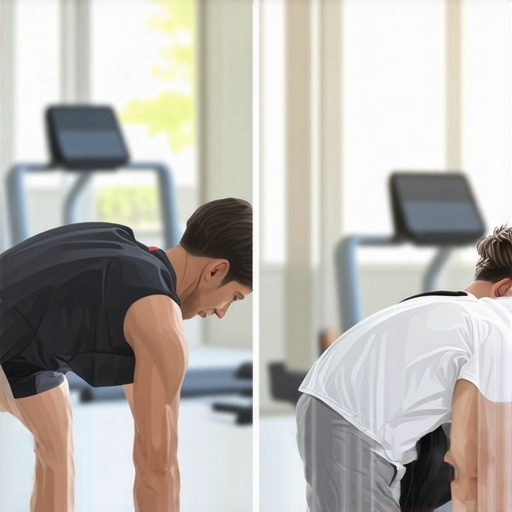
First, focus on mastering movement quality rather than just quantity. I recall a day I spent 15 minutes trying to perfect my hip hinge—keeping my back straight and engaging my glutes. Initially messy, but over time, this drill became second nature, drastically reducing my lower back discomfort. Practice with a mirror or record your form. Remember, proper movement cues your muscles correctly and minimizes strain. To deepen your understanding, explore how chiropractic care can improve your movement range.
Strengthen Core Safely with Focused Exercises
Instead of traditional crunches, opt for safer core exercises like planks or bird-dogs that promote spinal stability without excessive intra-abdominal pressure. I started holding a forearm plank for 30 seconds, gradually increasing as my strength improved. Keep your neck aligned with your spine, and avoid letting your hips sag or rise. These modifications prevent unnecessary strain, especially in the lumbar region. For detailed techniques, refer to neck pain management exercises that also support back health.
Use Breathing to Alleviate Intra-Abdominal Pressure
Controlling your breath during movement can reduce intra-abdominal pressure that might otherwise overload your lumbar discs. I practiced diaphragmatic breathing—focusing on expanding my belly as I inhaled—to maintain intra-abdominal pressure within safe limits. This technique not only supports your spine but also relaxes tense neck muscles indirectly. Integrate breath control into your workouts and daily activities for maximum benefit. For more insights, see chiropractic techniques to enhance mobility and reduce pain.
Maintain Spinal Alignment During Daily Activities
Posture check-ins, especially during prolonged sitting or standing, prevent misalignments. I set a timer to remind myself to correct my posture hourly, sitting with hips back in the chair and shoulders relaxed. When lifting objects, bend at your hips and knees, keeping the object close to your body—akin to folding a blanket smoothly instead of pulling or tugging. These habits preserve spinal integrity and prevent chronic pain. For practical tips, explore keyboard placement and ergonomic tips for better posture.
Incorporate Regular Mobilization and Restorative Techniques
Consistency is key. I included gentle yoga stretches focusing on thoracic mobility and hip flexibility, which directly influence lower back health. Restorative practices like myofascial release using foam rollers helped ease tense muscles that could pull the spine out of alignment. Remember, the goal is to keep the spine fluid and balanced, preventing stiffness that restricts movement and causes pain. Explore proven strategies to restore back mobility for sustainable results.
Seek Professional Guidance When Needed
If pain persists or worsens, consult a chiropractor to tailor a rehab plan specific to your needs. Professional assessments identify hidden issues like pelvic tilt or joint restrictions that self-care might overlook. I personally experienced a revelation after a chiropractic session that addressed a stubborn hip misalignment—my back pain decreased significantly within days. Don’t hesitate to reach out through contact us for expert advice. Incorporating these concrete steps into your routine sets a solid foundation for a resilient, pain-free back.
Many believe that simply stretching or cracking their joints is the key to pain relief, but this oversimplification often leads to persistent issues. A common misconception is that mobility exercises alone are sufficient to restore function, yet they can sometimes mask deeper problems like joint misalignments or muscular imbalances.
For example, relying solely on foam rolling or dynamic stretching without addressing underlying structural restrictions can provide temporary relief, but long-term improvement requires a nuanced understanding of how joints, muscles, and nerves interact. This is where many fall into the trap of superficial fixes, thinking that more stretching or
Maintaining the progress you’ve made with mobility and pain relief requires the right tools and consistent upkeep. After all, even the best routines can falter without proper support and regular maintenance. I’ve found that investing in quality equipment and adopting disciplined habits keeps my spine resilient over the long haul. Let’s delve into what has worked for me and what I recommend for ongoing back and neck health.
Prioritize Precision with the Right Equipment
One game-changer in my routine is using a foam roller with a textured surface. Unlike smooth rollers, textured variants help release fascial restrictions more effectively, especially in the thoracic region where stiffness often lurks. I personally prefer the TriggerPoint GRID Foam Roller because it strikes a perfect balance between firmness and flexibility, allowing me to target tight muscles precisely. Integrating regular foam rolling sessions helps maintain tissue elasticity and prevents stiffness that could compromise mobility. For deeper muscle release, I occasionally use a massage ball to address specific trigger points, which I find invaluable for neck tension and upper back discomfort. These tools are simple but effective, and I recommend incorporating them into your weekly self-care routine to sustain gains.
Harness Software to Track Your Progress
Staying motivated and aware of your long-term improvement is easier with tracking tools. I use a dedicated mobility journal combined with a basic fitness app that logs stretches, pain levels, and ROM (range of motion) measurements. It’s enlightening to see patterns over weeks—knowing what works and recognizing setbacks helps me adjust proactively. As technology advances, I predict that AI-driven mobility apps will become more personalized, offering tailored drills based on your movement data. This predictive approach could revolutionize how we maintain spinal health by catching issues early and optimizing routines. For now, however, a simple habit of recording daily or weekly can significantly extend your results.
How do I keep my posture in check over time?
Consistency is key, but so is vigilance. I set a recurring reminder every 60 minutes to check my posture, especially during desk work or long drives. Simple cues like grounding my feet, engaging my core, and pulling my shoulders back help me stay aligned. Additionally, ergonomic accessories such as adjustable keyboard stands and lumbar supports tailored to your unique anatomy can make a substantial difference. This approach not only prevents early degeneration but also reinforces healthy movement patterns. For tailored advice, check out chiropractic techniques to support mobility and reduce pain.
Consistency with these tools and habits will pay off over years. I’ve noticed that even after initial improvements, neglecting maintenance can lead to setbacks. That’s why I reserve time weekly for targeted self-mobilization, including gentle stretches and myofascial release techniques.
Anticipating the Future of Spinal Support
Looking ahead, I believe wearable technology integrating biofeedback will become commonplace, guiding users through correct postures in real time. Imagine a smart belt that vibrates when you slouch or a posture-correcting device that adapts to your movement patterns, helping you develop automatic good habits. Combining these innovations with chiropractic expertise, as detailed in resources like how chiropractic care enhances movement, can lead to unprecedented long-term health.
To start maximizing your spinal resilience today, I recommend trying my favorite advanced tip: incorporate a daily 2-minute trigger point release using a tennis ball on your upper traps and neck muscles. This simple addition can significantly reduce tension buildup, especially after long periods of sitting. Remember, small but consistent efforts keep your back and neck working smoothly and decrease the likelihood of future flare-ups.
My journey revealed that the most valuable lessons often come from unexpected places—like realizing that traditional crunches might be doing more harm than good for spinal health. The hardest lesson I learned was that focusing solely on abdominal strength without considering movement quality can lead to setbacks, and that personalized care often surpasses generic routines. I also discovered that integrating breathwork and precise mobility tools can unlock long-term relief, transforming pain management into a sustainable practice. Lastly, I understood that trusting chiropractic guidance and technological progress collectively pave the way for lasting spinal wellness—changing the game entirely.
What Key Insights Changed My Approach to Spinal Health
- Ignoring proper movement patterns initially slowed down my progress; now I prioritize correct form over everything. Deep personal reflection on movement habits revealed that subtle misalignments can have outsized effects, emphasizing the need for mindful practice.
- Relying solely on mobility routines without addressing structural imbalances proved temporary—combining self-care with professional assessments yields the best results. This dual approach has become my cornerstone for long-term health.
- Incorporating technology like foam rollers with textured surfaces and tracking apps has made a significant difference—collecting data helps me make informed adjustments and stay motivated over time.
- Understanding the synergy between chiropractic adjustments and daily habits highlights that proactive, consistent care holds the key to resilience. The real breakthrough was realizing that spinal health is a continuous journey, not a one-time fix.
My Essential Toolbox for Spinal Resilience
- TriggerPoint GRID Foam Roller: My go-to for releasing fascial restrictions, especially in tight thoracic areas, fostering greater mobility and comfort.
- Chiropractic Guidance: Regular visits keep structural issues in check and provide personalized strategies—I’ve learned the importance of trusting professionals who understand spinal nuance.
- Mobility Tracking Apps: Simple to use, they offer real data on progress, helping me stay focused and motivated in my routine.
- Online Resources and Expert Blogs: Proven sources like how chiropractic care enhances movement have deepened my understanding and guided my actions.
Your Next Step Towards Back Confidence
Remember, your journey to a resilient back and neck begins with small, consistent choices—embrace proper movement, leverage advanced tools, and seek expert advice when needed. These efforts are investments in your long-term well-being. What’s one new habit you’re excited to incorporate today to support your spinal health? Share below—I’d love to hear your thoughts!
,