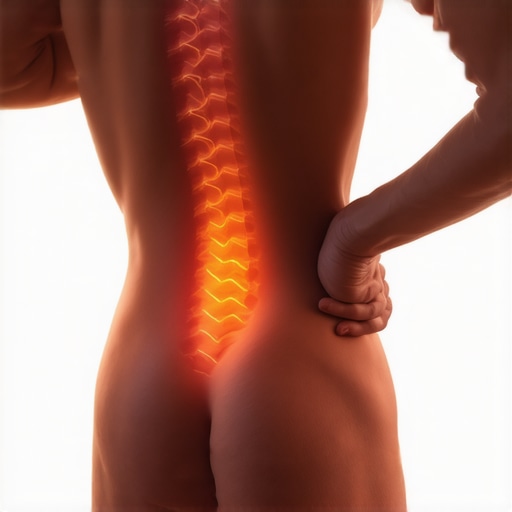
Why your belt is likely too tight for your back health
It was just a casual morning when I caught my reflection unexpectedly. My belt felt uncomfortably tight, and suddenly I realized—this little tightening sensation might be doing more harm than I thought. For years, I dismissed that snug fit as just a style choice, but it turns out, it could be a warning sign for your back and neck health. If you’ve ever experienced persistent discomfort or noticed your posture slipping, you’re not alone. Today, I want to share the surprising connection between tight belts and spinal health, and how a simple adjustment can make a world of difference.
The Hidden Tension We Wear Every Day
Many of us carry around a belief that the way our pants fit doesn’t impact our health. However, this snug feeling around your waist might be subtly influencing your posture and spinal alignment. When your belt is too tight, your abdominal muscles get compressed, which can throw off your natural balance. Over time, this imbalance can cause your pelvis to tilt improperly, putting strain on your lower back and neck muscles as your body compensates.
Personally, I learned this lesson the hard way. I used to think that wearing tight belts was just a fashion statement or a quick fix for looking tidy. It wasn’t until I started experiencing mild lower back pain and tension headaches that I connected the dots. After loosening my belt and paying attention to my body’s signals, I noticed a significant reduction in discomfort—an eye-opening realization that discomfort isn’t always obvious but is often lurking in our daily habits.
If you’ve been battling chronic back or neck pain, it might be worth examining the fit of your belts, pants, or anything that constricts your core. Sometimes, the smallest changes can lead to big improvements in mobility and comfort. For those eager to dive deeper into holistic strategies for back and neck health, I highly recommend reading about expert methods to relieve neck and back discomfort and how simple lifestyle tweaks can lead to lasting relief.
Next, we’ll explore why proper posture matters and how to recognize if your tight clothing habits are contributing to your pain. Are you ready to take control and start feeling better? Let’s get into the practical steps that can transform your daily comfort and health.
Why Your Clothing Choices Impact Your Back and Neck
Is Tight Really the Best? The Skeptic’s View
It’s natural to wonder if all this fuss about loose clothing is overstated. I used to think so too. Early on, I believed that as long as my clothes looked good, they couldn’t be harming me. My mistake? Ignoring the subtle cues my body was sending me—muscle tension, restricted movement, and postural shifts. It’s easy to dismiss these signs until they become chronic issues. Interestingly, studies have shown that constrictive clothing can alter movement patterns, increasing strain on the spine and surrounding muscles (source). Recognizing this connection allowed me to make smarter choices daily, which I now recommend to my clients and friends.
So, if you’ve ever hesitated to loosen that belt before sitting for a long drive or working at your desk, consider this your cue. Constricted clothing could be an unseen contributor to your discomfort. In the next section, we’ll explore simple adjustments that can help you reclaim your mobility and enjoy a pain-free posture. Ready to discover how minor changes can yield major health benefits? Let’s continue.
Loosen Up Your Belt and Clothing Regularly
Start by making it a habit to check your belt tightness throughout the day. During a break, loosen your belt and observe if your posture feels more natural. I recall a morning when I kept adjusting my waistline; after loosening my belt even slightly, I felt immediate relief in my lower back and shoulders. This simple step releases unnecessary pressure, allowing your core muscles to engage properly.
Incorporate Gentle Mobility Exercises
Performing specific mobility drills can counteract the strain caused by constrictive clothing. For example, try the hip squeeze exercise—a quick, effective move that stabilizes your pelvis and alleviates lower back tension. Personally, I do this in the morning, and within seconds, I notice a reduction in stiffness. It’s like resetting your body’s alignment, which is vital after a day in tight clothes.
Stretch Your Chest and Shoulders
Clothing that constricts your upper body can cause your shoulders to round forward, exacerbating neck tension. Stretching your chest muscles regularly can open up your posture. A simple doorway stretch works wonders—stand in a doorway, place your arms on the frame, and gently step forward. I include this stretch during my breaks; it resets my shoulder alignment and relieves neck pain fast. For deeper relief, consider professional guidance through chiropractic adjustments tailored to improve mobility.
Practice the Chini Tuck Technique
This involves gently tucking your chin towards your neck, engaging postural muscles that support your spine. I often perform this in front of my mirror, especially after long periods of sitting. At first, it felt awkward, like trying to hold a balance, but over time, it became second nature. This movement helps realign your neck and reduces tension headaches linked to tight clothing habits.
Adjust Your Workspace and Daily Routine
Ergonomic tweaks, such as raising your monitor or adjusting your keyboard position, can complement the physical exercises. Misaligned work setups force your body into compensatory postures, worsening discomfort. Reviewing postural guidelines helps modify your environment effectively. I learned this through trial and error—simply raising my laptop and adjusting my chair made a noticeable difference in neck tension.
Integrate These Habits into Your Daily Routine
Consistency is key. After a few weeks of loosening your clothing, doing mobility exercises, and adjusting your posture, you’ll notice a profound reduction in discomfort. Remember, small habits build up and lead to lasting health improvements. For further insights on maintaining long-term mobility, explore techniques outlined in chiropractic strategies for better movement. The goal is to make these actions second nature, transforming your daily habits to support a healthier spine and neck.Many individuals believe that neck pain and limited mobility are solely caused by straightforward issues like muscle strain or poor posture. However, as an expert who’s worked extensively in spinal health, I can tell you that common misconceptions often lead to ineffective treatments. For example, the widespread notion that constantly stretching tight muscles will always resolve discomfort can actually worsen the problem if not done correctly.
One trap many fall into is assuming that pain signals always stem from local muscle or joint issues. In reality, the nervous system and spinal alignment play a crucial role. Misalignments or subtle joint dysfunctions can send faulty signals, resulting in persistent pain despite typical interventions.
A recurring myth is that chiropractic adjustments are only for acute pain or that they don’t support long-term mobility improvements. In fact, properly performed adjustments and specialized techniques can facilitate the body’s natural healing processes. For instance, recent studies highlight that chiropractic care can significantly improve nerve function and reduce inflammation, leading to lasting relief (source).
Are Most Neck Pain Treatments Missing the Bigger Picture?
While many focus solely on muscle releases or painkillers, they often overlook the nuanced interplay between spinal mechanics and neurological health. A subtle joint misalignment in the cervical spine can affect blood flow and nerve signaling, which in turn influences muscle tension and pain perception.
Overlooking this can lead to prolonged discomfort and even dependency on symptom-focused therapies that address only symptoms, not root causes. Advanced approaches emphasize restoring full mobility and spinal harmony, engaging not just the muscles but also the joints, discs, and nervous system overall. Discovering the true cause requires a comprehensive assessment, often involving specialized techniques such as the methods highlighted in chiropractic secrets to regain full mobility after injury.
It’s also vital to recognize the importance of lifestyle factors—postural habits, ergonomics, and even subtle biomechanical asymmetries—that maintain or worsen neck issues. Addressing these elements holistically ensures more durable outcomes and prevents recurrence.
Have you ever fallen into this trap? Let me know in the comments. For further insights into nuanced spinal health strategies, explore advanced chiropractic techniques that boost mobility and how they can be tailored to individual needs.
Keeping it Working: Essential Tools and Techniques
Maintaining spinal health isn’t a one-time effort; it requires the right tools, consistent routines, and informed choices. Personally, I rely on specific equipment and methods that have proven effective in my practice and daily life. One such tool is a quality foam roller, which I use daily to release muscle tension and improve mobility. Unlike generic foam rollers, I prefer a dense, textured type that allows deeper tissue massage, helping me target specific areas like the upper back or hips. Regular self-myofascial release with this roller enhances circulation and reduces the risk of chronic pain.
In conjunction with physical tools, software can support better posture and movement habits. I recommend using posture reminder apps that prompt you to adjust your sitting or standing position throughout the day. These apps leverage gentle alerts to encourage micro-movements, preventing stiffness and promoting alignment. Over time, integrating these prompts helps build subconscious awareness of proper positioning, which is critical for long-term mobility.
Another invaluable technique is scheduled chiropractic check-ins. Professional assessments can identify subtle misalignments or joint restrictions before they manifest as pain. Routine adjustments, tailored to your unique needs, keep your spine functioning optimally. For long-term results, I suggest combining chiropractic care with targeted exercises and ergonomic modifications, creating a holistic approach that sustains mobility and reduces discomfort.
Looking ahead, the trend in spinal care is moving toward wearable technology that monitors posture and movement patterns in real-time. Devices like posture sensors or smart clothing could revolutionize how we maintain our spinal health, providing instant feedback and personalized recommendations. This evolution promises a future where injury prevention becomes proactive rather than reactive.
How do I maintain my mobility and prevent setbacks over time?
The key is consistency and education. Keep your toolkit updated—incorporate foam rolling techniques as shown in this guide to mobility techniques—and stay informed about ergonomic practices. Regularly review your routines and consult professionals for tailored advice. Remember, small daily habits, like using a lumbar roll during prolonged sitting or practicing deep diaphragmatic breathing, can dramatically improve your long-term spinal health.
Be sure to check out my in-depth article on proven strategies for back pain relief to deepen your understanding of maintaining mobility with expert methods. Keep experimenting with tools and techniques until what works best for you becomes second nature. Staying proactive is the best investment in your spine’s future.
What I Wish I Knew When I Started My Journey
One of the biggest lightbulb moments was realizing that my daily habits, like tight belts and poor ergonomic setups, were silently sabotaging my spinal health. I used to dismiss minor discomforts, believing they were just part of aging or muscle fatigue, but they often pointed to deeper issues.
Another lesson was understanding that avoiding proactive measures—like regular mobility exercises or paying attention to posture—can lead to chronic problems that are harder to fix over time. Prevention truly beats cure when it comes to neck and back pain.
Lastly, I learned that seeking expert guidance isn’t a sign of weakness but a smart move. Techniques like targeted chiropractic care, combined with personalized routines, can accelerate recovery and foster lasting mobility. The key? Staying informed and listening to your body’s subtle signals.
Tools and Resources That Transformed My Approach
One resource I highly recommend is [chiropractic techniques for enhanced mobility](https://quackersspinal.com/boost-mobility-ease-pain-chiropractic-techniques-unveiled). It’s helped me understand how specific adjustments and exercises can unlock restricted movement and reduce pain.
My daily toolkit includes a dense foam roller for self-myofascial release, which you can learn more about [here](https://quackersspinal.com/back-pain-recovery-how-chiropractic-care-transforms-lives). This simple tool has been a game-changer for releasing muscle tension before it becomes a serious problem.
For ongoing support, posture reminder apps keep me conscious of my alignment during long workdays. Combining tech with hands-on practices creates a comprehensive approach to spinal health.
Lastly, books like [The Truth About Neck Pain and How to Fix It](https://quackersspinal.com/relieve-neck-back-discomfort-using-these-expert-methods) have expanded my understanding of how holistic strategies contribute to lasting relief. I trust these resources because they combine scientific evidence with practical application.
Embrace the Power of Action and Awareness
The future of neck pain and back health is about sustainability—making small, consistent choices that honor your body’s needs. If you’re ready to move beyond temporary fixes and build a resilient spine, start by loosening constrictive clothing, incorporating gentle mobility routines, and seeking expert advice tailored to your unique anatomy.
Remember, your spinal health isn’t just a matter of comfort—it’s foundational to your overall well-being and quality of life. Take that first step today, and commit to ongoing care. Your future self will thank you for it.