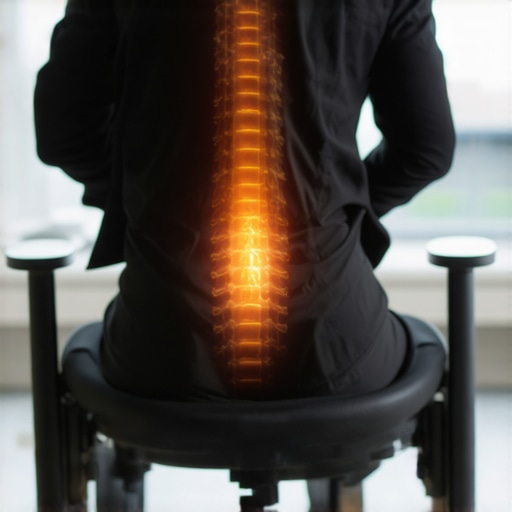
How to get out of your car without aggravating a pinched nerve
I vividly remember the moment it hit me—trying to carefully get out of my car after a long drive, only to feel that all-too-familiar jolt of pain shooting down my neck and shoulder. It was like an unwelcome wake-up call reminding me that my journey towards relief still had a long way to go. Every attempt to exit the vehicle felt like walking a tightrope, balancing the hope of freedom against the fear of aggravating my pinched nerve. That frustration? It’s something I wager many of you have experienced, especially if mobility issues or nerve pain are part of your daily life.
Why Simple Moves Can Make or Break Your Recovery
Getting out of your car should be a straightforward task, right? Well, for those of us with a pinched nerve, it can turn into a dreaded challenge. The real issue is how our body’s movement patterns and habits inadvertently make things worse. Poor posture, awkward twists, or rushing through the motions can magnify pain instead of relieving it. The good news is, I’ve been down this path, and I’ve learned some practical strategies that can help you exit your vehicle gracefully—without pushing your recovery backward. These methods don’t require expensive gadgets or strenuous exercises but focus on mindful, proven techniques that respect your body’s limits. So, if you’re tired of feeling trapped when you reach your destination, keep reading. We’re about to uncover specific, easy-to-implement tips that can transform your daily routine.
Is Your Technique Sabotaging Your Progress?
Early on, I made the mistake of rushing to get out without paying attention to my body’s signals. I thought I was saving time or just being practical, but that only prolonged my discomfort. It’s a common pitfall—neglecting proper movement mechanics and risking further nerve irritation. Now, I recommend more mindful approaches, like engaging core muscles and swiveling carefully, which can significantly reduce strain. Want to learn the exact steps I use to protect myself? You can find additional insights on effective neck and back relief strategies by visiting this resource. Recognizing these mistakes early saved me from many future flare-ups, and I hope sharing my experience helps you avoid similar setbacks. Ready to master the art of safe, gentle car exits? Let’s dive into some tried-and-true methods that will make your mobility smoother and less painful.
Adopt a Controlled, Gentle Approach
When I first tried to get out of my car, I instinctively swung my leg over the seat quickly, thinking speed was key. But I ended up zinging pain down my neck and shoulder. Now, I take slow, deliberate steps, akin to carefully untangling a knot—each movement is intentional and steady. To do this, sit upright for a moment after parking, then cushion your movements by engaging your core muscles to stabilize your spine. This reduces exertion on your nerves and disc spaces, akin to tightening a safety belt around your body before starting a journey.
Step-by-Step Technique to Exit Safely
Prepare Your Body Before Moving
Before attempting to exit, take a breath and consciously relax your shoulders and neck. This pre-movement relaxation minimizes tension buildup, much like easing a tense wire. Engage your abdominal muscles gently, as if bracing for a light punch—this supports your lumbar spine and reduces undue strain.
Use Your Hands to Stabilize
Place your leading hand on the door frame or seat to brace yourself. Think of your hand as a steadying anchor, providing control during the transition. Avoid impulsive twisting; instead, pivot your torso slowly, keeping your hips aligned with your shoulders, similar to turning a steering wheel smoothly without jerks.
Execute the Move in Sequence for Safety
Begin by shifting your weight forward onto your sit bones, then pivot your hips as a unit—avoid twisting the lumbar region independently. Imagine turning a large, heavy steering wheel—slow and deliberate. Next, swing your legs out one at a time, placing your feet flat on the ground, while maintaining a neutral spine alignment. This synchronized sequence prevents sudden pulls on nerves and discs, much like smooth gear shifts in a well-tuned engine.
Refine Your Technique Through Awareness
During each step, stay mindful of your body’s signals. If you feel a twinge or resistance, pause and readjust—think of it as a self-check engine light warning you to slow down. Over time, this attentive approach trains your nervous system to execute movements safely, akin to a seasoned driver instinctively avoiding potholes and sudden turns that could jar the vehicle.
Incorporate Micro-Movements to Prevent Strain
Breaking down complex motions into micro-movements enhances control. For example, before lifting your body, perform small pelvic tilts to mobilize your lumbar spine—similar to fine-tuning a guitar string for perfect pitch. These subtle adjustments decrease the likelihood of nerve irritation and muscle strain, making your movements more efficient and less painful.
Practice Regularly to Build Confidence and Habit
Consistent practice of these controlled techniques, even when pain is minimal, builds muscle memory and confidence. Picture this as rehearsing a safety drill repeatedly until it becomes automatic, so that during real situations, your body responds optimally without hesitation. As your technique improves, you’ll notice less pain and more freedom during everyday activities, turning a daunting task into a routine that feels natural and safe.
Many people believe that all back and neck pain can be quickly fixed with simple stretches or by visiting a chiropractor once. However, these assumptions often overlook important nuances. One widespread misconception is that pain is always due to misalignment, leading many to seek invasive or repetitive treatments that may not address the root cause. Advanced research shows that facet joint dysfunctions or muscular imbalances are frequently mistaken for nerve impingements, which can lead to ineffective interventions if not properly diagnosed. A prime example is the myth that cracking your own neck relieves tension; in reality, frequent self-manipulation can cause micro-injuries or worsening of symptoms, especially if done improperly. According to a study published in the Journal of Manipulative and Physiological Therapeutics, aggressive or habitual self-adjustments increase the risk of arterial injury and nerve irritation, emphasizing the importance of professional guidance. If you’re feeling frustrated because traditional methods haven’t provided lasting relief, it might be time to explore personalized, clinically-proven techniques that target your specific condition. For instance, understanding the role of joint mobility and muscular stability can fundamentally change your approach to recovery. Want to learn more about nuanced strategies that truly work? Visit this resource for detailed insights. Never fall into the trap of one-size-fits-all solutions—your body deserves tailored care that considers its complexity. Have you ever fallen into this trap? Let me know in the comments.Maintaining your mobility and managing pain isn’t just about quick fixes; it involves using the right tools and techniques consistently. One of my personal favorites is the use of a high-quality foam roller. I rely on it daily to target tight muscles, especially around the thoracic spine, which can improve posture and reduce nerve impingement over time. Unlike cheap foam rollers, a dense, durable one provides enough resistance to effectively release muscle knots and adhesions, making my mobility routines more impactful. Additionally, I integrate wireless posture correction devices like the Upright GO, which vibrates gently when I slouch, helping me develop better habits during long work hours. These devices are invaluable for maintaining spinal awareness, ensuring I don’t revert to poor alignment patterns that can cause pain. As technology advances, I predict a future where smart wearable sensors will provide real-time feedback, enabling personalized corrections and tracking progress effortlessly. If you’re serious about long-term results, incorporating these tools into your daily routine can make all the difference.
How do I maintain my mobility tools over time?
Proper maintenance is crucial to keep these tools effective. Foam rollers should be cleaned regularly with mild soap and water, ensuring no bacteria or sweat build-up that could cause skin irritation or mold. Store your foam roller in a cool, dry place away from direct sunlight, which can degrade the foam material. For electronic devices like posture sensors, follow manufacturer instructions for charging and software updates; keeping firmware current ensures optimal performance. It’s also wise to periodically recalibrate devices if they offer that feature, maintaining accurate feedback. Replacing accessories, such as adhesive strips or batteries, as recommended prolongs their lifespan. Regularly inspecting your tools not only ensures safety but also maximizes their effectiveness. Remember, consistent use coupled with proper care sustains your progress for the long term. Want to dive deeper into posture correction technology? Visit this resource for expert insights. Try setting a monthly reminder to check and clean your tools, and see how your mobility improves with time.
Lessons You Don’t Usually Hear About Keeping Moving
One of the biggest surprises I encountered on my journey was realizing that consistency in mindful movements beats sporadic intense therapies every time. I used to believe occasional stretches or quick fixes could fix everything overnight—turns out, patience and everyday habits matter more. I also learned that understanding your body’s signals early can save you from worsening pain—it’s about listening, not just acting. Finally, the importance of personalized techniques became clear; what worked for someone else might not work for you, and tailoring your approach makes all the difference.
Tools That Became My Game Changers for Lasting Relief
Over the years, I’ve come to rely on specific tools that truly support my mobility and pain management. A high-density foam roller has helped release muscle tightness that contributed to nerve impingements, making my daily routines smoother. Posture correction devices like the Upright GO remind me to maintain alignment during long work hours, preventing bad habits from creeping back. Lastly, I trust insightful resources like this article for expert advice that complements my tools—keeping me informed and empowered.
Your Next Steps Towards Comfort and Mobility
Remember, managing neck and back pain is a continuous journey, not a quick fix. Embrace mindful movements, invest in effective tools, and seek personalized guidance when needed. Your body is your most valuable asset—treat it with patience and care, and you’ll rediscover movement that feels free, powerful, and pain-free. Ready to take the next step? Perhaps scheduling a consultation at my practice could be the beginning of a new chapter in your mobility story. What small change will you try today to improve your neck or back health? Share below—I’d love to hear your plans!