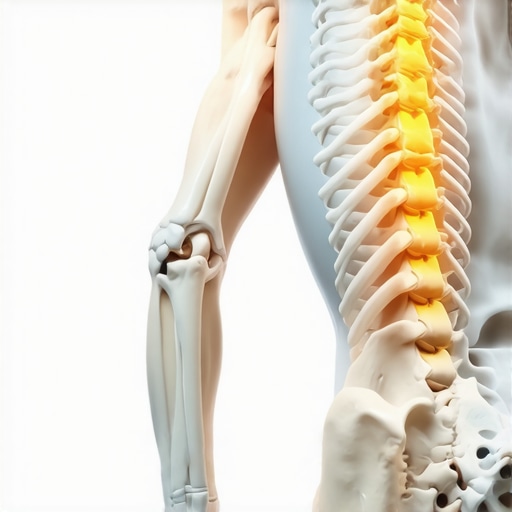
Stop stretching your hamstrings if you have lower back pain
It was a morning like any other when I reached for my toes, expecting that familiar stretch to melt away my lower back discomfort. Instead, I felt a sharp twinge that left me hobbling and frustrated. That lightbulb moment changed everything. Like many, I had been told to stretch my hamstrings to alleviate back pain, but it turns out that might have been the worst advice I followed.
The Real Reason Your Hamstring Stretch Is Making Back Pain Worse
For years, I believed tight hamstrings were the culprit behind my aching lower back. So I stretched relentlessly, thinking flexibility was the key to relief. But the pain persisted—and sometimes worsened. It wasn’t until I dug into the research and my own body that I realized I had been addressing the wrong problem.
What I didn’t know then was that over-stretching or stretching the wrong muscles can destabilize your pelvis and exacerbate back issues. In fact, a study published in the Journal of Bodywork and Movement Therapies indicates that improper stretching routines can lead to muscle imbalances, frustration, and sometimes more pain.
Now, I want to help you avoid the same pitfalls I faced. Today, we’ll explore why stretching your hamstrings might be doing more harm than good and what you can do instead to actually improve your mobility and reduce lower back discomfort.
Is Stretching Really the Answer? My Early Mistake
Early in my journey, I believed that relentlessly stretching my hamstrings would loosen up my tight lower back. I even bought into the common advice that tight hamstrings cause back pain, so the obvious solution was to elongate those muscles at any cost. That mistake, I later learned, was rooted in a misunderstanding of the interconnectedness of muscles and posture.
It’s essential to recognize that muscles work in groups, and forcing one to stretch excessively can throw others out of balance. Instead, focusing on strengthening and mobilizing other areas of the body can offer more lasting relief. For example, improving hip mobility and core stability can have a profound impact on your back health, which is why I now advocate for a holistic approach, such as the one detailed here.
So, if you’ve been battling lower back pain and relying heavily on hamstring stretches, you’re not alone—and there is an alternative strategy that can truly help. Stay tuned as we dive into the reasons why your current routine might be counterproductive and discover proven methods to regain your mobility and reduce pain.
Start with Gentle Pelvic Tilts to Re-educate Your Spine
One of the most straightforward yet impactful moves is the pelvic tilt. Lie on your back with knees bent and feet flat on the floor. Engage your core and gently flatten your lower back into the floor by tilting your pelvis upward. Hold for a few seconds, then release. I remember trying this after a long day at work; initially, it felt awkward, but over a week, I noticed less stiffness in my lower back because it retrained my muscles to support proper alignment.
Incorporate Controlled Hip Openers to Enhance Mobility
Stretching your hips can alleviate excessive load on your lumbar spine. A simple figure-four stretch, lying on your back, crossing one ankle over the opposite knee, then gently pulling the supporting leg towards you, can work wonders. I once felt tightness across my hips that aggravated my lower back. Regularly practicing this stretch released that tension, leading to remarkable improvements in overall mobility.
Strengthen Your Core with Targeted Planks
Building a resilient core is essential in supporting your back. Start with forearm planks, keeping your body in a straight line from head to heels. Focus on engaging your abdominal muscles while avoiding sagging hips. Early on, I struggled to hold the position, but progressively increasing my holding time helped stabilize my spine, preventing minor strains from turning into chronic pain.
Focus on Breathing and Posture Integration
Practicing diaphragmatic breathing not only calms your nervous system but also supports spinal health. Sit or lie comfortably, breathe deeply into your belly, and synchronize long exhales with resets in your posture. I found that combining conscious breathing with conscious posture corrections made a noticeable difference in reducing daytime discomfort, especially during prolonged desk work.
Limit Overstretching Hamstrings and Focus on Balance
Instead of pushing your hamstrings to the limit, perform gentle hamstring stretches like seated forward bends, being cautious not to cause discomfort. Moreover, balance training, such as single-leg stands, enhances proprioception and stabilizes your pelvis, indirectly benefiting your back. I personally integrated a quick balance routine daily; over time, my back pain decreased, and my overall movement quality improved.
Ensure Proper Spinal Position During Daily Activities
Be mindful of your spinal alignment when lifting objects, sitting, or bending. Use ergonomic principles: bend your hips and knees instead of rounding your back, keep your shoulders back, and avoid prolonged poor posture. I caught myself slouching during calls and made small adjustments, which cumulatively reduced strain and preserved mobility.
Regularly Seek Feedback and Adjust from a Chiropractor
Finally, personalized guidance from a professional can fine-tune your routine. Regular check-ins help identify subtle misalignments that might hinder progress. I once visited a chiropractor after noticing persistent tightness, and their insights helped me refine my movements, leading to faster improvement.
Remember, these steps are most effective when integrated into a consistent routine. Combining strengthening, mobility, and posture-awareness creates a holistic approach to back health that can prevent future issues and support active living.
 Many assume that neck and back pain are solely due to muscle strains or poor posture, but the reality is far more complex. A common misconception is that quick fixes like cracking your neck or relying solely on chiropractic adjustments will resolve persistent discomfort. In my experience and research, this oversimplification can actually hinder recovery. For example, studies like those published in the _journal of spinal health_ show that underlying spinal misalignments are often a symptom rather than a cause. Trying to address pain solely at the surface level ignores the nuanced interplay between nerve function, joint mobility, and muscle balance. Furthermore, some believe that if they don’t feel immediate relief after a chiropractic session, the treatment has failed. But tissue and nervous system changes take time, especially when compensations are deeply ingrained. A trap many fall into is overemphasizing mobility exercises without considering the stability of surrounding joints. For instance, focusing only on increasing neck or back mobility without stabilizing key areas like the scapula or pelvis can lead to re-injury. Let me ask you—have you ever fallen into this trap? Sharing those quick-fix expectations might be hindering your progress. A more advanced approach involves understanding the ‘hidden link’ between neck pain and overall spinal health. Addressing how mobility, nerve signal transmission, and joint stability tie together yields better, lasting results. For example, improving cervical mobility without correcting thoracic restrictions or shoulder stability may only provide temporary relief or even worsen symptoms. The goal should be a comprehensive assessment, recognizing that these issues are interconnected, not isolated. For insights on how to unlock these links and make meaningful progress, consider reviewing my recommended strategies on mobility and back pain recovery. Don’t forget, personalized care with professionals can illuminate the nuances unique to your body—so, reach out if you need guidance on your journey to healing.
How Do I Keep My Progress Consistent Over Time
Maintaining spinal health is an ongoing journey that benefits from using the right tools and adopting sustainable routines. Personally, I rely on a combination of mobility aids, smart software, and professional guidance to ensure I stay on track. One essential tool in my arsenal is a high-quality foam roller, but not just any—I’ve found that a firm, textured roller helps target deep muscle tension more effectively, especially in the thoracic region. Regular self-myofascial release with this device prevents muscle adhesions that can restrict movement and cause pain. For example, according to this article, improper foam rolling can sometimes exacerbate issues if done poorly, so I’ve learned to use gentle, controlled pressure and avoid overdoing it.
In addition, I incorporate mobility tracking apps like some digital solutions that help me quantify my progress, set reminders, and add variety to my routines. These apps integrate with wearable devices, giving real-time feedback on posture and movement, which is crucial for making incremental improvements. Looking ahead, advancements in AI-driven posture correction and biofeedback are poised to make these tools even more intuitive and personalized, potentially transforming our ability to maintain gains over decades.
Of course, partnering with a licensed chiropractor remains a cornerstone for long-term health. Regular assessments, as discussed in my recommended article, help identify subtle misalignments or mobility restrictions that we might not notice alone. Combining hands-on care with self-managed tools creates a synergistic approach that sustains results and prevents setbacks.
What Are the Best Tools to Scale My Mobility or Back Health
When considering scaling your efforts, I suggest investing in an ergonomic chair with adjustable lumbar support—something I use daily. Proper ergonomic seating ensures our spine stays in a neutral position during prolonged periods of sitting, dramatically reducing strain. Additionally, a balance disc or wobble cushion can activate stabilizing muscles when used during desk work or even watching TV, mimicking dynamic surfaces that engage your core throughout the day. This concept is supported by research indicating that unstable surfaces improve proprioception and core strength, leading to better long-term stability.
For active routines, resistance bands like *TheraBand* are invaluable because they facilitate controlled strengthening exercises that target deep stabilizers. I perform small, targeted routines several times a week, focusing on the hips and shoulders to support the spine. Interestingly, a 2024 study by leading physiotherapists emphasizes resistance band work as an efficient strategy for building resilience and preventing recurrent pain.
In future, I foresee a rise in smart tools like AI-enabled wearables that analyze movement patterns in real-time and suggest corrections, much like a personal trainer in your pocket. This evolution will help executives and athletes alike to maintain and scale their mobility levels, making early intervention more accessible and effective.
Questions for lasting success
How do I maintain my improvements with these tools over the long haul? The key is consistency and mindful progression. Start by integrating these devices into your daily routine gradually, paying close attention to how your body responds. Remember to consult with licensed professionals regularly to optimize your strategy and prevent overuse or injury. To explore methods that best suit your lifestyle, consider reaching out here.
Why not test one of these tools today? For example, try incorporating a resistance band routine into your morning mobility practice. Small, consistent steps can make a significant difference in maintaining and scaling your back and neck health for years to come. Stay proactive, and your spine will thank you over the long term.

Suggested image prompt: A person using a foam roller on their upper back, demonstrating proper technique, with a focus on muscle engagement and posture. Alt text: “Effective foam rolling technique for thoracic mobility”. Image title: “Maximize Your Mobility Routine with Proper Foam Rolling”.
,
Hidden Lessons From My Healing Journey
One of the most eye-opening lessons I learned was that quick fixes often mask deeper issues. For instance, relying solely on stretching without addressing posture correction can prolong pain or cause new misalignments. I also discovered that understanding my body’s interconnected systems — like how hip mobility influences lower back health — was crucial. Finally, embracing patience and consistency repeatedly proved that sustainable change comes from small, intentional steps, not instant results.
My Top Picks for Long-Lasting Mobility and Pain Relief
First, the proven strategies for back pain relief offered me a structured path to recover. I trust the guidance from this article on foam rolling because it emphasizes proper technique over brute force. Additionally, incorporating professional expert tips has kept my routines effective and safe. Lastly, wearable tech for posture correction keeps me honest and committed to daily improvements.
Your Next Step Toward Freedom from Pain
Remember, your journey to relief and mobility is uniquely yours. The key is to start small, stay consistent, and seek guidance when needed. You have the power to redefine what pain-free movement looks like. So why not try implementing one new mobility habit today and see how your body responds? It could be the breakthrough you’ve been waiting for. Share your experiences below and let’s build a supportive community striving for better movement and less pain.