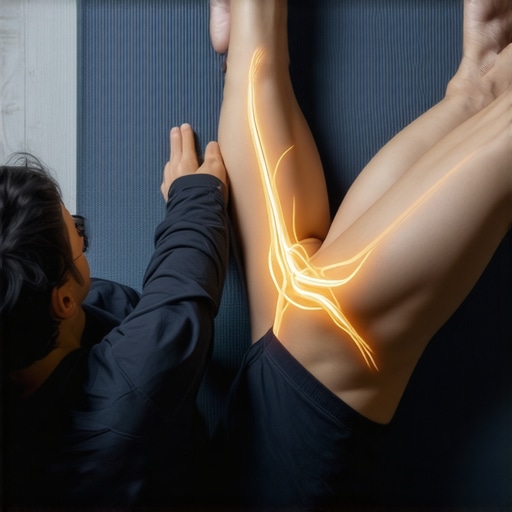
The ‘Dead Bug’ drill for people who hate core exercises
There was a morning not long ago when I found myself hunched over my desk, muscles tight and a dull ache creeping into my lower back. I had pushed through another set of routine exercises I didn’t enjoy, hoping they’d improve my posture and relieve my discomfort. But instead of feeling stronger, I just felt more defeated. That lightbulb moment hit me hard: why was I torturing myself with exercises I hated, without seeing real results?
Why Most People Fail at Core Workouts and How to Break Free
If you’ve ever tried to strengthen your core, you know the struggle. It often feels like a boring, unmotivating chore, or worse—painful. I used to think that sticking to those traditional crunches or planks was the only way. But I discovered that engaging the core doesn’t mean suffering through exercises you despise. And more importantly, there’s a way to do this that actually fits even the most exercise-averse.
Are You Falling for the Common Core Exercise Mistake?
Early on, I made the mistake of forcing myself into crunches and sit-ups without understanding my body. Turns out, these can sometimes cause more harm than good, especially if your technique is off or you have existing back issues. That realization led me to seek out different methods—methods that prioritize gentle, effective activation rather than brute force. For example, the dead bug drill, often overlooked, is a game-changer for those who hate traditional core workouts.
Studies show that engaging in targeted, low-impact exercises like this can significantly improve spinal stability and reduce discomfort. It’s a simple move with profound benefits, and I’ll show you how to do it without any awkwardness or pain.
If you’ve ever felt discouraged because core exercises are just too painful or dull for your taste, you’re not alone. But there’s hope—and it starts with ditching the exercises that don’t serve you and embracing moves that are both safe and effective.
Are you ready to discover how this tiny exercise can make a big difference in your back pain and mobility? Let’s dive in.
Start with Gentle Breathing to Re-engage Your Core
The first step I took was focusing on diaphragmatic breathing, which might sound trivial but is fundamental. Lie on your back with knees bent, place one hand on your chest and the other on your belly. Inhale deeply through your nose, ensuring your belly rises while your chest stays still. Exhale slowly, tightening your abdominal muscles. This practice helps activate deep core muscles naturally and prepares your body for more movement. I dedicated five minutes daily to this, noticing a calming effect and subtle engagement that set the stage for further exercises.
Progress to the Dead Bug—A Friendly Gateway Exercise
How to Perform the Dead Bug Correctly
Lie flat on your back with arms extended towards the ceiling and knees bent at 90 degrees. Engage your core by gently pressing your lower back into the floor. Slowly lower your right arm and left leg towards the floor, keeping your pelvis stable. Return to the starting position and repeat with the opposite limb. The key is slow, controlled movements that focus on stability. I initially wobbled a lot, but persistence improved my control and reduced discomfort. This exercise is gentle, effective, and less intimidating than sit-ups or planks, especially if your back is sensitive.

Incorporate Dynamic Movements for Real-Life Strength
Once comfortable, add movements mimicking daily activities — like gentle bridging or bird-dogs. For instance, I started doing a modified bird-dog, extending opposite limbs while maintaining core engagement. These movements improve coordination and promote spinal stability. Remember, quality beats quantity; aim for slow, deliberate reps that challenge your control without triggering pain.
Consistent Practice is Key
Consistency exceeded intensity for me. I set aside 10 minutes in the morning and evening, gradually increasing complexity. Over weeks, I felt less back tension and improved mobility, proving that even small, regular efforts turn the tide. Think of it like tending a garden: patience and routine nurture healthy growth.
Monitor and Adjust Your Approach
Pay attention to how your body reacts. If an exercise causes sharp pain, modify or skip it. Use gentle assessments like the wall test to gauge progress. Small adjustments ensure that exercises remain safe and effective, preventing setbacks and ensuring consistent improvement.
Expand Your Routine with Professional Guidance
When ready, consider consulting a chiropractor for personalized adjustments. They can identify subtle imbalances contributing to your discomfort and recommend specific mobilizations or strengthening protocols. I found that combining my routine with occasional chiropractic sessions amplified my progress, leading to sustained relief and better posture. Exploring more about spinal health can be your next step; visit this guide for detailed insights.
Many believe that back pain and neck discomfort result solely from poor posture or ergonomic mistakes, but this oversimplification can be misleading. A deeper understanding reveals that the root causes are often complex, involving subtle spinal misalignments or unaddressed muscle imbalances that many practitioners miss. For example, common myths suggest that spinal adjustments alone can fully resolve chronic pain; however, recent research indicates that combining chiropractic care with targeted mobility exercises yields significantly better results. An advanced mistake many make is assuming pain relief with quick fixes, neglecting the importance of ongoing lifestyle adjustments. The trap here is relying solely on temporary relief methods like painkillers or superficial massages, which do not address underlying issues. Instead, focusing on sustained spinal health through proper assessment and personalized interventions results in lasting recovery. For an in-depth look at the nuances of back pain, consider exploring this comprehensive guide.
Maintaining spinal health over the long term requires more than just exercises; it demands the right tools and habits that support your progress and adapt as your needs evolve. Throughout my journey managing back and neck pain, I’ve found that investing in specific equipment and software can make a significant difference in sustaining mobility and preventing setbacks.
How do I maintain my progress over time?
One of the most fundamental tools I use is a high-quality foam roller. Not just any foam roller, but a medium-density one with a textured surface, which allows me to target muscle knots and fascia restrictions more effectively. I personally prefer the RumbleRoller because its textured surface provides a deep, self-myofascial release without requiring a massage therapist. Regular foam rolling keeps my muscles supple, reduces trigger points, and prevents recurring pain — especially in the lower back and along the neck and shoulders. For best results, I dedicate 5–10 minutes daily, focusing on areas that tend to tighten, such as the hip Flexors and upper traps.
Beyond hardware, I rely heavily on mobility tracking apps to monitor how my movements evolve. The Mobility Mastery app offers guided routines, progress logging, and reminders, which help me stay consistent. Using such software not only motivates me but also provides insights into which areas need extra attention, ensuring I avoid regressions.
Moreover, maintaining good posture with ergonomic accessories is key. I use my ergonomic keyboard and an adjustable standing desk to minimize strain during work. The right setup prevents the common pitfalls like forward head posture, which can lead to neck pain. Regular posture checks, combined with these tools, create a sustainable environment for spinal health. Recent research suggests that integrating ergonomic adjustments with movement breaks significantly enhances long-term outcomes (source).
Future trends in back and neck health support
Predicting where this field is heading, I foresee the rise of smart wearable devices that continuously monitor posture and muscular activity. Devices like smart posture correctors and biofeedback wearables could alert you when you’re slouching or holding tension too long, facilitating immediate correction. This integration of technology will likely make maintenance more automated, personalized, and less time-consuming, leading to better adherence and results.
For those eager to stay ahead, I recommend experimenting with a posture-correcting wearable, such as the Upright Go or Lumo Lift, to ensure you’re maintaining optimal alignment throughout your day. These tools serve as real-time coaches, nudging you to adjust before discomfort develops.
Final tip: Amplify your maintenance routine
One advanced technique worth trying is the simple but effective habit of diaphragmatic engagement combined with micro-movements. Spend a few minutes daily practicing deep belly breathing while gently rolling your shoulders or mobilizing your neck softly. This dual approach promotes circulation, relaxes tense muscles, and integrates breathwork into your spinal health routine. Implementing this tip consistently can create a resilient foundation that keeps your back and neck functioning smoothly, even as your activities become more demanding.
Remember, the goal is sustainability. Embrace tools that fit your lifestyle and adapt as you improve. For a comprehensive guide on maintaining back health, explore this resource. Combining technology with mindful movement will ensure your spine remains resilient and pain-free for years to come.

Lessons That Changed My Approach to Back and Neck Wellness
- Realizing that consistency with even gentle movements far outweighed forcing intense routines was a pivotal lightbulb moment. Small, daily habits build resilience over time.
- I learned that listening to my body’s signals is crucial — pain isn’t just discomfort; it’s a message urging respect and adjustment, not push-through.
- Understanding the deep connection between posture habits and spinal health transformed my mindset from reactive to proactive, empowering me to prevent issues before they escalate.
My Go-To Resources for Long-Term Spinal Health
- Brace Yourself for Better Posture: The comprehensive guide at this link offered me insights into sustainable habits, making a lasting difference in my daily life.
- Chiropractic Insights That Matter: I trust this resource for practical tips that complement my exercises and give a holistic view.
- The Power of Mobility Tracking Apps: Utilizing tools like Mobility Mastery has helped me stay accountable, adapt routines, and celebrate progress.
Embrace Your Mobility Journey Today
Taking charge of your back health doesn’t require perfection, just commitment and curiosity. Your spine is a vital partner; caring for it opens doors to better posture, less pain, and greater freedom of movement. So, why wait? Start small, stay consistent, and watch your resilience grow. Your journey to a healthier spine begins now—are you ready to make the leap?
What’s the one change you’re planning to implement today for better back and neck health? Share below and let’s motivate each other!
,