Why your office chair depth is killing your lower back
I vividly remember the moment I realized my office chair was secretly sabotaging my back. It was a long day, pain creeping up in my lower lumbar, and I thought, “Maybe I just slept wrong?” But as the hours dragged on, that dull ache turned into a persistent nag, and my patience wore thin. Turns out, the culprit was something so simple—my chair’s depth. A tiny adjustment could have saved me weeks of discomfort.
Why Small Changes Make a Big Difference in Back Health
Office workers, remote employees, anyone spending hours seated—listen up. The depth of your chair isn’t just about comfort; it’s about your spinal health. When your chair is too deep, it pushes your hips forward, making your lower back work harder to maintain posture. Over time, this strain can lead to pain, tightness, and even chronic issues. I’ve been there, and I want to share how a simple tweak can turn your sitting experience from agony to ease.
Is It Worth All The Hype To Adjust Your Chair?
Early in my journey, I made the mistake of dismissing slight discomforts as
Adjust Your Sitting Position for Immediate Relief
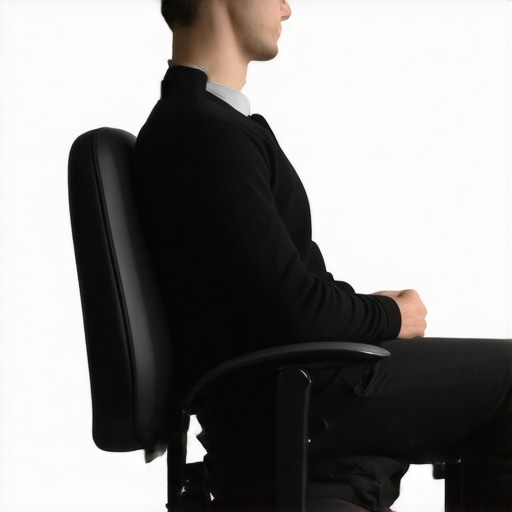
Start by setting your chair height so that your feet rest flat on the floor, and your knees are at a 90-degree angle. Sit back fully, ensuring your lower back is supported. Use a lumbar roll if necessary to maintain the natural curve. I recall adjusting my office chair this way and feeling a significant decrease in lower back fatigue within minutes. It’s a simple change with powerful results.
Check Your Hip Flexors and Pelvic Tilt
Tight hip flexors can tilt your pelvis forward, increasing lumbar strain. To gauge this, lie on your back and do the 10-second hip squeeze test (learn more here). If you notice discomfort or instability, incorporate gentle stretching and targeted strengthening. I once neglected this and woke up with persistent lower-back soreness—since then, I’ve prioritized hip mobility routines, and the difference is noticeable.
Implement Micro-Movements During Long Periods of Sitting
Every 30 minutes, stand, stretch, or perform small mobility drills like the dead bug (see the drill here). This prevents your spine from settling into a static, stressed position. I make it a habit to do quick core activations every hour, which keeps my back flexible and reduces pain over long workdays.
Strengthen Core and Back Muscles for Long-Term Stability
A weak core allows your spine to bear the brunt of daily loads, leading to pain. Engage in exercises that activate deep abdominal muscles—like the dead bug or plank variations (more tips here). When I started building a daily core routine, I noticed my back no longer felt vulnerable after hours of sitting. Consistency is key—schedule short, focused sessions to build resilience.
Optimize Your Workstation for Better Posture
Position your monitor at eye level to avoid forward head posture. Keep your keyboard close to prevent reaching, which overextends your shoulders and neck. Use ergonomic accessories like a wrist rest or adjustable stand. I adjusted my desk and noticed immediate relief in my neck and upper back tension. Small tweaks at your workspace can make a dramatic difference in reducing strain and preventing pain from becoming chronic.
Incorporate Regular Movement and Care
Develop a habit of walking or gentle stretching every hour. Consider self-mobilization techniques or chiropractic adjustments (learn more here). These actions help reset your spine, improve circulation, and maintain mobility. When I feel stiffness creeping in, a quick walk or a few minutes of gentle mobilization restores comfort and function, keeping minor issues from escalating.
By systematically applying these steps, you directly influence your spinal health, transforming discomfort into stability and mobility. Remember, consistent, small actions compound over time—making your back stronger and pain-free.
Many people believe that stretching is always the best way to relieve back and neck pain, but in my experience, this oversimplifies an intricate issue. For example, while some think that more flexibility automatically equals better health, studies show that excessive or improper stretching can actually worsen symptoms if not done correctly (see here). The key nuance often missed is that pain often diminishes when you address underlying stability and motor control, not just flexibility.
A prevalent myth in chiropractic care is that cracking or adjustments are the sole solution to pain relief. While adjustments play a role, they are most effective when integrated with tailored strengthening and mobility routines. Over-reliance on quick fixes without understanding the root causes leads to a cycle of recurrence. A common mistake I see is patients neglecting the importance of posture and movement patterns that trigger pain, rather than just focusing on the pain itself.
For advanced readers wondering, “How do I know if my back pain is actually coming from my pelvis or hip alignment?” the answer lies in nuanced assessments like the hip mobility test. Misalignment or imbalance here can mimic or exacerbate spinal issues, leading to improper treatment if overlooked. Experts emphasize that comprehensive evaluations considering both local and global biomechanics are crucial for long-term relief.
Another common trap involves the belief that pain is always caused by tissue damage needing repair. In reality, pain can be a protective response from the nervous system, especially when mobility or stability deficits exist. Addressing these deficits through targeted exercises, rather than solely focusing on pain relief, yields better outcomes. For instance, strengthening deep core muscles helps stabilize the lumbar spine, reducing the risk of chronic discomfort (more info here).
Understanding these nuances can significantly improve how you approach back and neck concerns. Instead of relying on myths, consider a comprehensive strategy that includes proper assessment, movement optimization, and mindful strengthening. Remember, it’s often the small misinterpretations of what causes pain that lead to prolonged suffering. Have you ever fallen into this trap? Let me know in the comments.
Keeping It Working with Reliable Tools
When it comes to maintaining your spinal health over the long haul, having the right equipment and methods makes all the difference. I personally rely on a few key tools that have proven effective through years of experience, and I want to share how they can help you sustain mobility, reduce pain, and prevent setbacks. Remember, consistency with these tools paves the way for durable results.
Invest in an Adjustable Lumbar Support
A high-quality lumbar roll that molds to your lower back ensures proper posture whether you’re seated at work or relaxing at home. I use a memory foam lumbar pillow that conforms to my spine’s natural curve, preventing slouching and extra strain. This simple addition helps maintain spinal alignment, especially during long sitting periods, and is a game-changer for those prone to lower back discomfort. Learn more about optimal lumbar support here.
Adopt a Multi-Functional Foam Roller
For mobility and muscle relaxation, I recommend a dense, medium-sized foam roller. It’s perfect for self-myofascial release, helping to loosen tight pelvic and lower-back muscles. Regular rolling sessions keep the tissues pliable, which supports better movement and diminishes chronic pain. I highlight this tool because it promotes long-term tissue health, making daily mobility exercises more effective. For detailed rolling techniques, check this guide.
Software and Apps for Posture Monitoring
Technological support can significantly boost your maintenance routine. I use an app that tracks my posture throughout the day, sending gentle reminders to correct slouching or forward head posture. This real-time feedback keeps me conscious of my habits and avoids ingrained poor alignment. As posture correction is a continuous process, integrating smart tech makes it manageable and adaptive. I predict that in the future, wearable devices will become even more sophisticated for personalized spinal health management.
How do I maintain mobility and pain relief over time?
Integrating these tools into a daily routine is paramount. Consistently using a lumbar support during work hours, performing foam rolling exercises each morning, and leveraging posture tracking technologies help build habits that last. I recommend setting specific times for these practices—like a quick roll after waking up or a posture check every hour. Over time, these small efforts compound into lasting improvements, preventing the cycle of pain and stiffness. Remember, a proactive approach is your best defense against chronic issues.
To elevate your results, I suggest trying out the advanced neck and back mobility routines. Consistent application of proper tools and exercises can transform your long-term health, helping you stay active and pain-free for years to come.
The Hardest Lesson I Learned About Mobility and Back Pain
One of the most eye-opening truths I discovered was that quick fixes often lead to temporary relief, not genuine healing. Relying solely on stretching or popping joints without addressing core stability and movement patterns can make problems worse over time. I realized that understanding the root causes—like imbalances and poor posture—is essential for lasting change.
My Essential Toolkit for Spinal Wellness
Over the years, I’ve come to trust specific tools that truly support long-term back health. A high-quality ergonomic lumbar support helps maintain proper posture during long hours at the desk (see why lumbar support matters). A durable foam roller allows me to perform self-myofascial release, releasing tight muscles and restoring mobility (my go-to rolling techniques). Posture-tracking apps remind me to stay aware of my alignment, turning habit correction into a daily routine.
Believe in Your Power to Transform Your Back
The journey toward pain-free movement is personal and ongoing. Start with small, consistent steps—adjust your workspace, incorporate mobility drills, strengthen your core—and watch how your body responds. Remember, your back’s health is a reflection of your daily choices. If I can do it, so can you—take that first step today to live with less pain and more freedom.
What small change are you willing to start today that could make the biggest difference in your back and neck health? Share your plan below—your journey might inspire someone else to begin theirs!
,