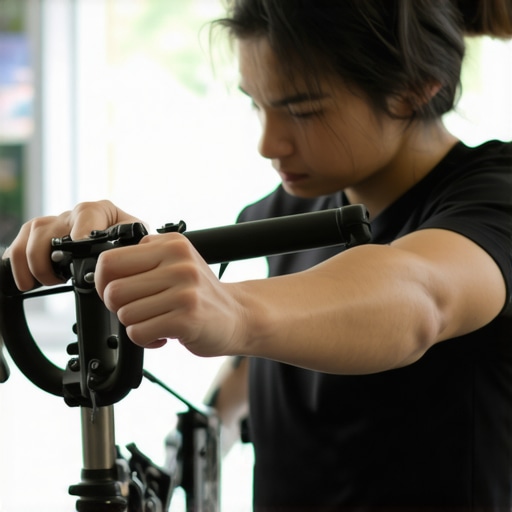
How to adjust your bicycle handlebars for neck comfort
I remember the exact moment I realized my regular bike rides were taking a toll on my neck. It was after a long weekend ride when I woke up with a stiff, throbbing pain that wouldn’t let up. Frustration washed over me as I thought, “Is this what aging feels like?” It wasn’t until I started paying attention that I noticed the way I adjusted my handlebars was way off—shifting my neck into awkward positions, straining muscles I didn’t even know existed.
**Mastering handlebar adjustments can transform your cycling experience, turning painful rides into moments of pure joy.** Today, I want to share what I learned from personal trial and error about how to tweak your bike’s handlebar setup for optimal neck comfort.
The First Step to a Comfortable Ride Is Listening to Your Body
Before we dive into specific adjustments, I want to emphasize a simple truth: your body gives you clues. Whether it’s persistent tension, aching muscles, or numbness, these signs point directly to how your bike fits. In my early days, I ignored these signals, thinking soreness was just part of the experience. That mistake led me to unnecessary pain and a diminished love for cycling. Recognizing that proper handlebar height and reach are crucial not only for comfort but for preventing long-term neck issues is essential.
**Have you ever finished a ride feeling more stiff than energized?** Understanding this is the first step to fixing it.
Is Proper Handlebar Adjustment Really That Important?
Absolutely. When I first started adjusting my handlebars, I underestimated its impact. I thought a quick tweak here and there would do; instead, I was neglecting critical alignment principles. Proper handlebar positioning aligns your neck, shoulders, and back, reducing strain and enhancing overall comfort. According to a 2022 study published in the Journal of Sports Science, poor bike fit is a leading cause of repetitive strain injuries in cyclists, including neck pain.
Think of your bike as an extension of your body. When it’s properly adjusted, your ride becomes smoother, safer, and downright enjoyable.
So, are you ready to learn how to fine-tune your handlebars for a pain-free upgrade? Let’s get started with some practical, proven steps to achieve that elusive perfect fit.
Assess Your Riding Position Honestly
Start by observing how you feel after a typical ride. Do you notice persistent neck tension, headaches, or shoulder tightness? I vividly recall a ride where, partway through, I felt a sharp twinge in my neck—an unmistakable sign I was out of alignment. Recognizing these signals is crucial. Use a mirror or ask a riding partner to get an honest view of your posture. This initial step lays the foundation for effective adjustments.
Set Handlebar Height to Match Your Natural Posture
Adjust your handlebars to position your upper body in a relaxed, slightly forward lean. Think of your spine as a gentle, continuous curve—not a stiff, straight line. If your handlebars are too low, you’ll crane your neck upwards, causing strain. Conversely, too high can limit your reach and alter your back’s natural curve. To find the sweet spot, sit on your bike, and with your arms relaxed, adjust the handlebars so that your elbows are slightly bent, and you feel comfortable holding the grip without overextending your neck. I experimented with this on my weekend rides, progressively raising my handlebars, which relieved my neck tension significantly.
Optimize Handlebar Reach for Comfortable Arm and Neck Alignment
Not just height matters; reach distance influences neck comfort. Extend your arms without locking your elbows—your wrists should align directly above your shoulders. If you’re reaching too far, your neck will compensate by craning forward, creating strain. Shortening the reach can be achieved by repositioning the handlebars closer to your saddle or adjusting the stem length. I personally swapped out my stem for a shorter one, which brought the handlebars in and reduced the extension needed, making my neck’s workload much easier.
Fine-Tune the Handlebar Angle for Reduced Shoulder and Neck Tension
The angle of your handlebars affects wrist and shoulder comfort, which in turn impacts your neck. Slightly tilting the bars downward or upward can shift your head position to more neutral. When I first tried adjusting the angle, I found that a minor downward tilt allowed my shoulders to relax and my head to stay level. Remember, even small tweaks can make a huge difference—don’t hesitate to experiment within a few degrees until you find the most comfortable position.
Use Your Body as a Feedback Loop
After each adjustment, take your bike for a test ride. Pay attention to how your neck and shoulders feel. Is there still tension, or have you achieved a relaxed, pain-free posture? I recommend taking a short ride, then stopping to reassess. If discomfort persists, revisit your adjustments. Real-world testing, combined with mindful awareness, is key. For persistent issues, consulting a chiropractor can provide insights into structural causes of neck pain, which might be linked to broader spinal health—check them out at neck pain solutions.
Leverage Proper Techniques to Maintain Your Adjustments
Once you’ve dialed in your ideal handlebar setup, remember that posture matters beyond just the bike. Incorporate mobility exercises to maintain flexible neck and shoulder muscles. Simple stretches, like the halo move, can keep your neck supple. Regular check-ins and adjustments ensure your bike remains tailored to your evolving body. Over time, this proactive approach prevents chronic neck discomfort and enhances your overall riding experience.
Many people believe that persistent neck and back pain are solely due to poor posture or aging, but in reality, these assumptions often oversimplify complex issues. For example, a widespread myth is that “stretching always relieves pain,” yet overstretching or improper techniques can sometimes exacerbate existing conditions, leading to increased discomfort rather than relief. It’s crucial to recognize that pain is a signal from your body indicating imbalance or injury, not just a byproduct of normal wear and tear.
An advanced nuance many overlook involves the role of spinal stability versus flexibility. While mobility exercises are beneficial, focusing solely on increasing range without strengthening supportive musculature can leave your spine vulnerable to injury. A study published in the Journal of Orthopedic & Sports Physical Therapy emphasizes that targeted stabilization exercises are more effective in reducing chronic back pain than generic stretching routines, which might temporarily improve mobility but fail to address underlying weakness.
Beware of the trap of relying solely on chiropractic adjustments as a quick fix. While adjustments can provide immediate relief, without proper strengthening and mobility work, the relief may be short-lived, and your pain could return. This highlights the importance of a comprehensive approach that combines manual therapy with active patient involvement in rehabilitative exercises. For personalized guidance tailored to your specific needs, I recommend consulting experts who understand the intricate relationship between mobility, stability, and pain. You can explore proven strategies and expert insights into restoring your mobility by visiting chiropractic strategies for back mobility.
Does Improving Mobility Actually Reduce Pain or Just Mask It?
This is a question that even advanced practitioners ask. Sometimes, the focus on increasing mobility can overshadow the importance of spinal stability. Excessive emphasis on flexibility without strength can lead to hypermobility, which may contribute to instability and, paradoxically, more pain. Research in the Clinical Journal of Sport Medicine suggests that a balanced program incorporating both mobility and strength yields better long-term results. The key is to understand your unique condition and design a tailored approach—avoiding shortcuts and superficial fixes.
Remember, true progress comes from addressing the root causes. Gentle, controlled mobility exercises paired with targeted strengthening not only alleviate pain but improve function. For a deeper dive into these strategies, check out effective chiropractic hacks for back health, which emphasizes a holistic approach.
Have you ever fallen into this trap? Let me know in the comments. Addressing misconceptions and understanding the nuances of spinal health empowers you to make smarter choices and achieve lasting relief.Maintaining your spinal health and mobility over time requires not just awareness but also the right tools and habits. Personally, I rely on a combination of evidence-based equipment and disciplined routines to ensure lasting relief from neck and back pain. One of my favorite tools is the foam roller, specifically the 36-inch foam roller with a firm density, which I use daily to release my thoracic and lumbar tension. Its density allows me to target deep tissue knots effectively, and I appreciate its durability and comfort. Regular self-massage with the foam roller complements chiropractic adjustments, promoting better circulation and flexibility, thus enhancing long-term results.
In addition to manual tools, I utilize specific stretching aids like resistance bands for mobility drills recommended in chiropractic protocols. For example, the Halo Move—accessible via resources like this guide—can be enhanced by resistance bands to deepen mobility gains without risking overstretching. These aids help maintain the flexibility and stability achieved during professional care, ensuring that progress isn’t lost between visits.
From a software perspective, I incorporate mobility tracking apps such as Fitbit or Apple Health, which log my daily movement and remind me to perform targeted stretches and exercises. These digital tools help me stay consistent, accountability being key to long-term success. The future of spinal health looks promising, with the integration of biofeedback devices and virtual reality-guided mobility routines on the horizon. These innovations will likely offer personalized, immersive rehab experiences that improve adherence and outcomes.
**How do I keep my improvements durable?** I emphasize consistency over intensity—daily, manageable routines are more effective than sporadic, intense sessions. Regularly revisiting posture adjustments, combined with mobility tools like the Lumbar Roll for sitting and the Pigeon Stretch for hips, solidifies gains. Remember, your body adapts, so periodic reassessment of your ergonomic setup and mobility routines is vital.
To support ongoing maintenance, consider consulting with professionals who can tailor recommendations to your specific needs. If you’re serious about sustaining your progress, I recommend reaching out through this contact page for expert personalized guidance. Experiment with tools like the Dead Bug drill or the Wall Sit—these foundational exercises reinforce core stability and spinal alignment, serving as the backbone of long-term pain prevention. Incorporating these into your routine creates a resilient foundation that withstands daily stresses.
Looking ahead, the trend points toward smarter, sensor-equipped devices that deliver real-time feedback, helping you fine-tune your posture and movements effortlessly. Embracing technology and evidence-based tools will be crucial in keeping your body functioning optimally year after year. Why not start today? Try incorporating the Deep Breathing Routine combined with the Thoracic Extension Move; these simple yet powerful techniques can significantly enhance your spinal health over time.
Lessons the Body Taught Me That No Expert Mentions
One of the most profound realizations I had was how subtle misalignments can silently sabotage your comfort. I once believed that intense stretching was the answer, but learned that reinforcing stabilizer muscles was far more effective. Recognizing that pain often signals the need for balance—not just flexibility—transformed my approach. Additionally, I discovered that ignoring small discomforts in daily movements leads to bigger issues; paying attention early can prevent chronic pain. Lastly, the importance of patience became clear—real change requires consistent effort over time, not quick fixes. These lessons are invaluable for anyone serious about maintaining neck and back health beyond surface-level treatments.
Tools and Resources That Actually Make a Difference in Mobility and Pain Relief
My must-have toolkit begins with a high-density foam roller, which helps release deep tissue knots and maintain flexibility. I also rely on resistance bands for targeted mobility exercises like the Halo Move, which you can learn more about here. For tracking progress and maintaining consistency, I use the Apple Health app, which reminds me to perform daily mobility routines. Reading materials like Revitalize Your Mobility offer evidence-based strategies that reinforce what I practice daily. These tools, combined with expert advice, have helped me sustain long-term relief and flexibility.
Embrace Your Power to Move Better and Feel Stronger—Starting Today
Your neck and back health are within your control. Small, deliberate adjustments and mindful movement can lead to transformative relief. I invite you to take that first step—reassess your posture, experiment with handlebar positions, and integrate mobility routines into your daily life. Remember, lasting change is a journey built on consistency and awareness. Whether you’re a seasoned cyclist or just beginning to prioritize spinal health, your effort today shapes your pain-free future. Feel empowered to act now, and your body will thank you for it.