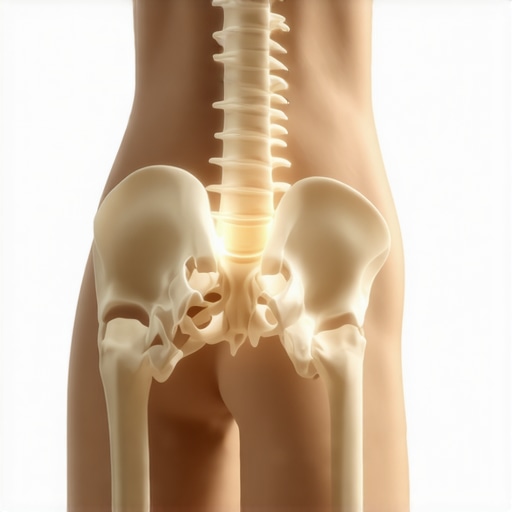
The ‘Box Breathing’ trick for acute muscle spasm relief
It hit me while I was hunched over my desk, desperately trying to stretch my back after a long day—sometimes, relief seems just out of reach, and I’ve tried everything from heat packs to popping pills. But what truly made a difference was a surprisingly straightforward *breathing exercise* I stumbled upon late one night, and honestly, it’s been a game-changer in managing sudden muscle spasms. Have you ever been caught off guard by a sharp ache that leaves you feeling helpless? That’s exactly where I was.
Why Muscle Spasms Can Bring Your Day To a Halt
Muscle spasms, especially in the neck and back, can be downright debilitating. One minute you’re moving along, and the next, a searing pain stops you cold. It’s common, yet so frustrating—trust me. I remember trying to ignore mine, hoping it would go away, only to find it intensifying hours later. It’s surprising how something so simple as a tight muscle can completely derail your plans.
Here’s where the importance of a reliable technique comes into play. I’ve read that nearly 80% of adults experience back pain at some point (source: Back pain recovery resource), and many are left feeling helpless when spasms strike unexpectedly. That’s why finding a quick, effective relief method is crucial. And I assure you, it’s not about surgery or complicated treatments; sometimes, simple tools are the most powerful.
But I need to be honest—early on, I made a mistake. I thought just relaxing my muscles mechanically or popping painkillers would resolve everything. It wasn’t until I learned to control my breathing that I noticed a marked difference. This realization led me to explore more, and I want to share that journey with you.
Is the Box Breathing Trick Actually Worth the Hype?
When I first heard about box breathing, I was skeptical. I’d tried countless quick fixes, so I didn’t expect much. But I was desperate, so I gave it a shot. To my surprise, the deliberate, slow rhythm helped lower my muscle tension remarkably fast. Since then, I’ve incorporated it into my routine—and it has helped me prevent and manage spasms comfortably.
So, are you tired of helplessly watching spasms take over your day? Do you want a simple, science-backed method to regain control without expensive treatments? If so, stay tuned. We’re about to dive into how this breathing technique works and how you can make it a part of your relief arsenal.
Embrace Controlled Breathing During Spasms
When a muscle spasm strikes, it feels like an abrupt, uncontrollable pull—imagine trying to steady a wobbly table by nudging it gently instead of pushing harder. To calm your tense muscles, start by sitting or lying in a comfortable position, ensuring your spine is aligned. Place one hand on your chest and the other on your abdomen, and focus on slow, deliberate breaths that expand your belly—not just your chest. Think of your lungs as a balloon inflating and deflating smoothly, distributing tension evenly.
Engage the Box Breathing Technique
This method involves inhaling, holding, exhaling, and pausing all for equal counts, like drawing a square in the air with your breath. For my first attempt, I set a timer for four seconds per phase, inhaling through my nose, holding my breath, exhaling slowly, and then pausing. I felt the tension easing within minutes—akin to gently easing a jammed door open rather than forcing it. Practice this repeatedly, aiming for 4 to 6 cycles, until you notice a release in muscle tightness. Regular use can help prevent spasms from escalating.
Fine-Tune Your Breathing for Maximum Relief
If you find your ribcage is shallow and your shoulders tense, try focusing on diaphragmatic breathing. Place your hands around your lower ribs and consciously breathe in so your hands rise, signifying your diaphragm is doing its job. This approach shifts the focus from superficial chest breathing—like gulping air—to a deeper, more calming process that reduces overall tension. It’s not about overthinking but re-learning how to breathe naturally, which over time can transform your muscle response.
Incorporate Movement & Posture Adjustments
While breathing is powerful, combining it with gentle movements enhances the effect. For example, gently turn your head side to side or arch your back slightly, aligning with your breath cycle. Think of your muscles as a rubber band; controlled movements and proper breathing gradually loosen them without overstretching. Remember, staying static or tensing up only prolongs discomfort. If your neck regularly feels tight, explore postural corrections— like adjusting your work setup or trying specific chiropractic techniques— that promote better spinal alignment. For more tips, visit these expert methods.
Many people assume that improving mobility or seeking chiropractic care is a straightforward process, but in reality, there’s more nuance than most realize. A prevalent myth is that persistently stretching or cracking your back will resolve chronic neck or back pain. While these might offer temporary relief, they can sometimes reinforce faulty movement patterns or exacerbate underlying issues if not done correctly. For example, aggressive stretching without understanding the true source of pain can lead to increased joint instability, making problems worse over time. An Maintaining your mobility and managing pain over the long term requires the right combination of tools and routines. Personally, I rely on a few key devices and software that have made a significant difference in my journey toward sustained spinal health. First, a high-quality foam roller is indispensable. I use the TriggerPoint GRID foam roller because its dense but forgiving surface allows me to target stubborn knots without risking overstretching or injury. Regularly rolling my mid-back and hips helps maintain flexibility and reduces flare-ups that can lead to muscle spasms.
In addition, I swear by the use of a lumbar roll during long periods of sitting. My preferred choice is the Therapedic Lumbar Support Cushion—it’s portable, firm enough to promote proper lordosis, and easy to adjust on different chairs. This simple addition encourages proper spinal alignment throughout the day, which is crucial for preventing chronic pain.
From a technology perspective, I integrate habit-tracking apps like Habitica to remind me to perform my daily mobility routines and breathing exercises. Consistency is vital, and these tools help cement good habits. I also use a posture-correcting device, like the Upright GO posture trainer, which vibrates gently whenever I slouch. Over time, this biofeedback has retrained my bad habits into healthy ones—something I recommend anyone serious about long-term care.
Predicting future trends, I believe smart wearable tech will become even more integral. Devices that analyze muscular tension or spinal alignment in real-time could provide personalized feedback, making self-care more effective and accessible.
How do I maintain my mobility and prevent setbacks?
One key is combining these tools with expert-guided routines. Regular visits to a chiropractor complement my daily preventive measures, ensuring minor issues don’t evolve into major problems. For example, routine chiropractic adjustments based on insights from resources like these expert methods help keep me in check.
Ultimately, investing in quality equipment and leveraging technology can dramatically improve your ability to maintain spinal health. I encourage you to try incorporating a foam roller or posture-correcting device into your daily routine. Start small with manageable, consistent habits, and watch your long-term results improve significantly.
What I Wish I Knew When I Started and Still Learned the Hard Way
One of the most profound lessons I’ve learned about managing neck and back pain is that quick fixes often mask the real issues. Relying solely on stretching or popping your back can lead to temporary relief but may worsen underlying problems if you don’t understand your unique biomechanics. It took me trial, error, and a few setbacks to realize that personalized, consistent routines trump one-size-fits-all solutions. Embracing patience and listening to my body’s signals became game-changers in my journey toward long-term spinal health.
My Go-To Tools and Resources for Lasting Mobility
Over years of trial, I’ve curated a toolkit that truly makes a difference. The TriggerPoint GRID foam roller has been invaluable for relieving muscle knots gently but effectively, helping me maintain flexibility without overstretching. Incorporating a lumbar support cushion like the Therapedic Lumbar Support ensures proper posture during long work sessions, preventing sneaky tension buildup. Technology has also played a role; habit-tracking apps like Habitica remind me to stick with daily mobility routines, transforming habits into lasting change. For expert guidance, I trust these chiropractor-approved strategies.
Taking Charge of Your Movement and Comfort
You have the power to make meaningful changes today. Small adjustments—like integrating diaphragmatic breathing, using a foam roller, or practicing mindful posture awareness—can significantly reduce the frequency and severity of muscle spasms. Remember, consistency beats intensity; even a few minutes daily can yield noticeable results. I encourage you to explore these tools and techniques, and to seek expert advice when necessary—long-term relief is within your reach. Empower yourself to prioritize spinal health, because your future self will thank you for it.