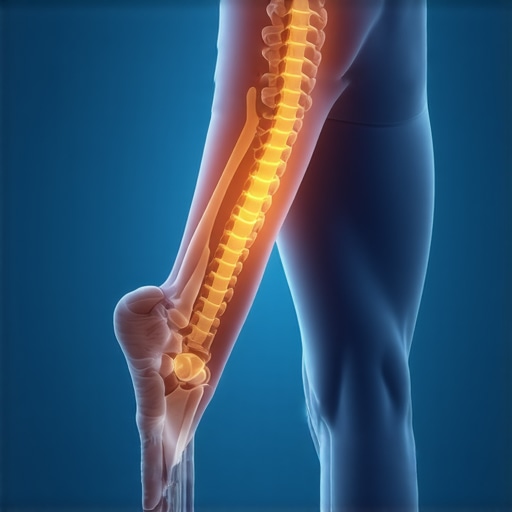
The 10-second ankle drill that improves your squat depth and back health
Have you ever felt that sharp twinge in your lower back mid-squat, or noticed your hips refusing to open up fully? I remember days when my back would tighten so fiercely during workouts that I started believing discomfort was simply part of aging. It was frustrating, especially after dedicating hours to mobility drills that seemed to do nothing. Then, one day, I stumbled upon a simple 10-second ankle drill that transformed my approach—and my body.
A Game-Changer for My Mobility and Back Health
What if I told you that just ten seconds of focused ankle movement could unlock your squat depth, reduce back pain, and improve overall mobility? I was skeptical at first. As someone who’s battled stiff ankles, tight hips, and a stubborn lower back, I’ve tried countless stretches, massages, and even chiropractic sessions. But this tiny tweak made a noticeable difference—fast. Now, I want to share this revelation so you don’t have to struggle like I did. We’re going to explore a simple drill that addresses one of the root causes of dysfunctional squatting and back tension, with practical steps you can implement today.
Could Your Ankles Be the Missing Piece?
Many people overlook how critical ankle mobility is to proper squat mechanics and back health. Poor ankle flexibility can force your knees and hips into unnatural positions, putting extra stress on your lower back. This often leads to compensations that can cause discomfort or even injury over time. Early in my journey, I made the mistake of focusing solely on my hips or back without considering my ankles. That oversight limited my progress and kept me in pain longer. Learning to improve ankle mobility through targeted, quick exercises changed everything. Curious to see how this tiny movement can have a huge impact? Keep reading, and I’ll guide you through it.
According to research published in the Journal of Sport and Health Science, ankle flexibility is directly linked to better squat depth and spinal comfort (source). So, if you’re tired of feeling stuck or sore, it’s time to pay attention to your ankles. And trust me—improving this area can be simpler than you think. Before we dive into the drill, think about your own experience—have you ever avoided deep squats because of discomfort or fear of injury? If so, you’ve come to the right place.
Ready to turn things around? Let’s get into the practical, easy-to-do step that might just be the trick you’ve been searching for. And I promise—if I can do it, so can you.
Implement the Ankle Mobilization Properly
Start by standing near a wall and placing your hands on it for support. Keep your heels flat on the ground and gently bend your front knee toward the wall, aiming to touch your knee without lifting your heel. This mimics a controlled ankle dorsiflexion movement. Remember, the goal is to move slowly and feel a stretch in your ankle joint. Once you finish, switch sides. During my own practice, I found that doing this for a few reps on each side helped me notice improved squat depth and less strain on my lower back over time.
Engage Your Focused Mindset
Concentrate on activating the ankle while maintaining a stable heel contact with the ground. Think of it like steering a car: smooth turns require precise control. When I first tried this drill, my movements were hesitant and jerky, which made the results messy. But I persisted, focusing on slow, deliberate motions. The improvement was undeniable within two weeks, as my back discomfort decreased and my squats became more effortless. Want to turbocharge this process? Consider integrating chest and core activation during the drill to reinforce proper motor patterns.
Integrate the Drill Into Daily Routine
Set aside 10 seconds twice a day—morning and evening—for this ankle drill. It’s quick, and consistency is key. During a busy day, I kept it in my mind as a reset after sitting at my desk or before workouts. As I performed this regularly, I noticed my hips opening up more, and my back pain diminished. This simple practice acts like a mini chiropractic adjustment for your ankle mobility, which can ripple up to benefit your entire kinetic chain.
Linking to Chiropractic Support for Lasting Relief
If you find persistent stiffness or discomfort, consider consulting a chiropractor who can assess your spinal and joint health comprehensively. They use targeted techniques to enhance mobility and address root causes, complementing your self-care routines. For more insights on natural mobility improvement, visit this resource. To schedule a personalized assessment, reach out at contact us. Combining this quick drill with professional help can accelerate your path to pain-free, functional movement.
Remember, consistency and proper technique are vital. Even on days when your body feels stiff, this 10-second ankle exercise can be your secret weapon to maintaining mobility and preventing back pain from creeping back in.
Now, next time you feel that tension mounting, take a moment to focus on your ankles—because sometimes, the smallest tweak makes the biggest difference.
Many assume that back pain is solely a result of unfortunate injuries or aging, but this oversimplification can lead us astray. A common myth is that mobility issues and pain are purely structural problems to be fixed with stretching or chiropractic adjustments alone. In reality, the root causes often involve complex neuromuscular patterns and subconscious habits that persist despite conventional treatments. For instance, relying exclusively on passive therapies without addressing the underlying movement dysfunctionalities can result in temporary relief but long-term recurrence. According to Dr. Stuart McGill, a leading expert on spine mechanics, addressing movement patterns and core stability is crucial for sustainable back health.
Are You Falling for the Over-Simplification Trap?Maintaining your back mobility and overall pain-free function requires consistent effort and the right tools. Over the years, I’ve tested various equipment and approaches, narrowing down to what genuinely delivers long-term results. One of the most effective methods I rely on is using a quality foam roller combined with specific mobility software to track progress. Foam rolling helps break up muscle adhesions that contribute to stiffness and pain, especially in the thoracic spine and hips, which are common culprits behind neck and back discomfort. I prefer a dense, high-quality foam roller because it provides the right amount of pressure without being too soft or too hard, enabling effective myofascial release without risking injury.
In addition to manual tools, software like the Mobility Mastery app has become invaluable. It offers personalized movement routines and tracks your progress over time, reminding you to stay consistent. This combination of tactile and digital tools ensures your efforts are directed and measurable. I recommend dedicating at least 10 minutes daily to foam rolling and mobility drills, integrating them into your morning or evening routines. This habit sustains tissue health and prevents the build-up of stiffness that can lead to recurring pain.
Looking ahead, I predict that wearable technology will become more sophisticated for mobility tracking. Devices that monitor joint angles and muscle activation in real-time could revolutionize our ability to tailor routines precisely for each individual, making maintenance more effortless and effective. Already, some gadgets connect to apps to provide instant feedback, so you’ll know immediately if your posture or movement patterns need adjustment.
How do I maintain mobility and back health over time?
It’s essential to understand that maintenance isn’t a one-and-done effort. Regular re-assessment and adjustment of your routine ensure continued progress. Incorporate self-assessment tools like the three-finger neck mobility test to monitor your progress. Pair this with ongoing chiropractic support, such as periodic check-ins or targeted adjustments, to address underlying issues that could hinder your efforts. For instance, a consultation can reveal hidden postural imbalances or joint restrictions, which you can then work on through tailored exercises. To explore natural mobility enhancement, consider exploring resources that detail chiropractic approaches to ongoing care, like this informative article on [enhancing mobility naturally with chiropractic](https://quackersspinal.com/enhance-mobility-naturally-with-chiropractic-care). Remember, consistency and personalized adjustments are key to long-term success.
Over the course of my journey with back pain and mobility struggles, I uncovered some surprising truths that changed everything. One of the most profound lessons was realizing that the smallest adjustments—like a 10-second ankle drill—could have ripple effects far beyond their apparent simplicity. This taught me the importance of focusing on overlooked areas, like ankle mobility, which often serve as the hidden keys to better spinal health.
What I Wish I Had Known About Back Pain and Mobility
- Not all pain is structural: I used to believe that deep tissue massages or chiro adjustments alone could solve my issues, but I later learned that neuromuscular patterns play a vital role that passive treatments can’t fully address.
- Small, consistent habits matter: Incorporating quick routines—like ankle dorsiflexion exercises—every day compounded over time, delivering results that big, infrequent efforts never achieved.
- Mobility is a system, not a fix: Improving ankle flexibility, core stability, and posture together creates a synergy, preventing pain before it begins. Neglecting one area often leads to compensations elsewhere.
My Go-To Tools for Sustainable Back Health
- High-quality foam rollers: These help release fascial restrictions in key areas like hips and thoracic spine, supporting long-term tissue health.
- Mobility tracking apps: Tools like the Mobility Mastery app keep me accountable and allow me to see steady progress, which motivates consistency.
- Educational resources from experts: Books such as Dr. Stuart McGill’s works have deepened my understanding of spine mechanics, enabling smarter movement choices.
- Targeted chiropractic care: When issues persist, personalized assessments and adjustments address root causes that I can’t access alone, making self-care more effective. For more insights, check out their approach to natural mobility enhancement at this resource.
Embrace the Change and Take Control Today
Your back pain and mobility challenges don’t have to define your future. Small, deliberate actions—like integrating quick ankle drills into your daily routine—can lead to transformative results. It’s about building habits that empower you to move freely and live pain-free. Remember, consistency is your best ally; the body responds best to patience and persistence. So, why wait? Start today, and watch your mobility and well-being flourish. Do you have a go-to move that helps keep your back healthy? Share your insights below—I’d love to hear your stories.