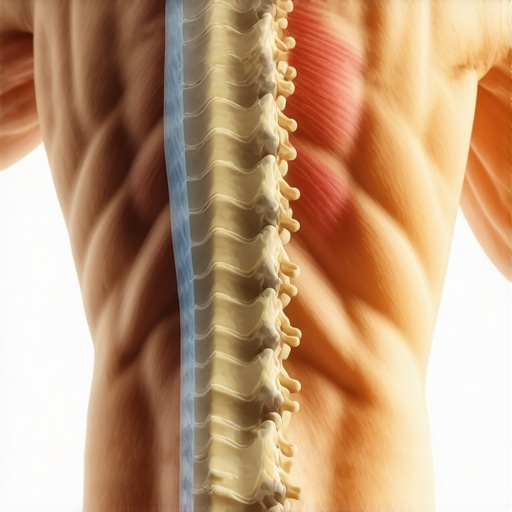
How to tell if your exercise routine is wearing out your discs
Ever had that sinking feeling after a workout where your neck or lower back feels worse, almost as if the exercise is punishing your spine instead of helping it? I sure have. There was a time when I thought pushing harder meant better results, only to realize I was unknowingly pushing my discs to the limit. That lightbulb moment was a game-changer. I started questioning: “Could my routine be causing long-term damage?”
Why It’s Crucial to Recognize Disc Fatigue Before It’s Too Late
Our spines are incredible yet delicate. The discs between vertebrae serve as shock absorbers, but they can wear out or even herniate if we’re not careful. So, how do you tell if your exercise habits are pushing your discs toward deterioration? It’s a question I get often from people frustrated with persistent neck or back pain that lingers or worsens over time. Knowing the signs can save you from chronic discomfort or more severe injuries down the line.
Are You Distrustful About What Your Body Is Telling You?
Many of us dismiss early warning signs—like lingering soreness, tingling, or a feeling of instability—as just part of aging or intense workouts. I used to ignore these signals, thinking they would go away. But ignoring pain can lead to more serious issues, including disc degeneration. Trust me, I’ve learned the hard way; making this mistake early on only delayed my recovery. To truly safeguard your spine, it’s essential to learn how to spot the subtle cues your body is sending—you might find that a small tweak can prevent big problems.
If you want to protect your discs and stay active without fear of causing damage, you’re in the right place. We’re about to dive into practical strategies backed by expert insights that will help you identify if your workout routine is becoming a hidden threat rather than a health boost. Ready to reclaim your mobility and comfort? Let’s get started.
Assess Your Current Routine and Identify Risks
Start by scrutinizing your workout habits. Keep a detailed journal noting exercises, durations, and how your body responds. A key tellsign is persistent neck or back soreness that lingers beyond the session or worsens with time. Once you identify which movements trigger discomfort, research carefully whether thesephy siological signals indicate disc fatigue or potential injury. Consulting a knowledgeable chiropractor can provide personalized insights to help you modify your routine effectively.
Micro-Story:
Once, I noticed my neck pain worsening after routine deadlifts. I paused and reviewed my form, then gradually reduced weight. Implementing targeted mobility drills and consulting an expert significantly reduced pain, preventing future damage.
Incorporate Mobilization and Strengthening Exercises
Integrate specific mobility drills that improve the resilience of your spinal discs and surrounding muscles. Think of your spine like a highly flexible cable: the more you can move it safely, the less strain accumulates during workouts. Exercises such as gentle cat-cows, pelvic tilts, and controlled rotational stretches can maintain healthy disc hydration and flexibility. For instance, a simple mobility routine can be executed in under 10 minutes daily and significantly bolster your back’s endurance.
Practical Tip:
Perform a quick pelvic tilt before lifting weights to prime your discs, avoiding the ‘rigid cable’ effect that leads to injury. This habit enhances stability and reduces disc stress during heavy lifts.
Edit Your Exercise Technique for Safety
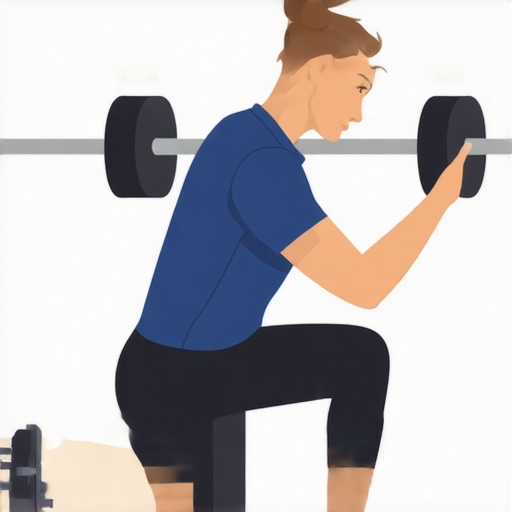
Proper form is essential. Use a mirror or record yourself to ensure correct alignment. Focus on engaging your core—imagine tightening your abs like a weight belt—this support acts as a shield for your spine. Remember, it’s better to lift lighter with perfect form than to risk disc herniation by pushing heavy with compromised technique. If uncertain, consult a qualified chiropractor who can guide your posture adjustments and recommend modifications tailored to your body.
Pro Insight:
I once tried increasing weight dramatically without proper core engagement; ended up with a painful herniation. After proper coaching and technique refinement, I regained strength safely.
Schedule Regular Breaks and Rest Days
Discs need time to recover from stress. Incorporate micro-rests within your workout—pause for 10-15 seconds between sets—to allow fluid exchange within discs. Additionally, schedule full rest days to prevent cumulative stress. Think of your spine as a sponge soaking up nutrients during rest; neglect this process, and you risk accelerating wear. Using a timer or app can remind you to take these vital breaks, keeping your discs hydrated and healthy over the long term.
Real-Life Example:
I implemented scheduled breaks into my routine, which initially seemed disruptive but ultimately improved my recovery and reduced discomfort, enabling me to train consistently without setbacks.
Seek Professional Support When Needed
If you experience persistent discomfort, don’t ignore it. Early intervention by a trained chiropractor can prevent minor issues from progressing into severe damage. They can assess your spinal health, advise on technique adjustments, and suggest therapies such as spinal decompression or targeted mobilizations. Remember, proactive care can save you from long-term pain and keep your discs resilient during intense activities.
Interested in personalized care? Reach out through this contact page to schedule a consultation. Your spine’s health is worth the effort.
 While many believe that chiropractic care is solely about quick fixes or popping joints back into place, the reality is far more nuanced. A common misconception is that spinal adjustments alone can address all discomfort without considering underlying lifestyle factors. In my experience working with chronic pain patients, I’ve found that ignoring the complex interplay of mobility, postural habits, and nerve health often leads to temporary relief at best. For instance, a study published in the Journal of Manipulative and Physiological Therapeutics emphasizes the importance of addressing functional movement patterns alongside spinal adjustments to achieve lasting results (source).
What are the pitfalls of inconsistent mobility routines that many overlook?
Many individuals focus on strengthening exercises but neglect mobility, leading to stiffness that can exacerbate nerve compression or disc degeneration. This oversight often results in a vicious cycle where pain worsens despite ongoing therapy. Common myths include believing that stretching is always beneficial; however, overstretching or performing unsupported stretches can strain already compromised tissues. A nuanced approach combines targeted mobility drills with strengthening to restore optimal joint function and nerve pathways. Incorporating simple mobility routines, like controlled rotational stretches, can significantly enhance your recovery process (learn more here).
Keep It Working: Tools I Recommend for Lasting Results
Maintaining spinal health isn’t a one-and-done effort; it requires consistent attention and the right tools to support your mobility journey. Over years of working with clients suffering from back and neck pain, I’ve identified specific equipment and methods that genuinely make a difference. These aren’t generic gadgets but carefully chosen instruments that empower you to take control of your recovery and ongoing wellness.
Personalized Mobility Buffers
One device I personally swear by is the foam roller. But not just any foam roller—I’ll recommend a medium-density, 36-inch cylindrical foam roller with ridges. Why? It strikes a perfect balance between firmness and comfort, allowing me to target my thoracic spine and hips effectively without risking overstretching or bruising. Regular self-myofascial release using this roller helps maintain my tissue flexibility and reduces scar tissue buildup, especially after intense training sessions. Remember, consistency is key; a quick 5-minute session daily can preserve tissue elasticity and improve long-term mobility (learn how to maximize foam rolling here).
Smart Mobile Apps for Technique and Tracking
In my practice, I advocate for integrating technology into daily routines. The MobilityWOD app offers guided mobility routines tailored for different body parts and pain points, including neck and back. It provides real-time feedback and tracks progress, making it easier to stay accountable. I use it to verify my form in real-time and ensure I’m performing exercises correctly—crucial for preventing strain and supporting disc health over years. As evidence suggests, engaging in guided, monitored exercises enhances adherence and results (here’s why guided mobility matters).
Inversion and Decompression Devices
For those with chronic disc issues, I’ve found that inversion tables and decompression devices can be game changers. I personally incorporate a gentle inversion routine a few times a week. Gravity-assisted decompression helps relieve nerve entrapment and rehydrate discs—beneficial in preventing herniations from worsening. It’s vital to start slowly and consult a professional to determine if this approach suits your condition. Recent research in spinal biomechanics shows that controlled decompression can significantly reduce nerve pressure and restore disc hydration in the long run (for more details, explore this study).
Plan for Long-Term Success
Trend-wise, I anticipate a surge in personalized digital health tools that combine biofeedback, AI-driven coaching, and wearable sensors. These will provide more tailored, real-time insights into your spinal health, enabling proactive adjustments before pain even manifests. Investing in these tools now sets you ahead in the game of longevity.
How do I keep my spine healthy over decades?
The secret lies in a combination of consistent movement, proper technique, and using strategic tools like foam rollers, guided apps, and decompression devices. But perhaps most critically, stay connected with professionals who understand this ongoing process. If you’re ready to take your mobility to the next level, I recommend you try implementing a daily foam rolling routine complemented by a guided mobility app. These small steps, sustained over months and years, accumulate into a resilient, pain-free spine. Want personalized advice or support? Reach out through this contact page and let’s make your spine your long-term ally.
What I Wish I Had Known Sooner About Spinal Care
One of my biggest lightbulb moments was realizing that pushing through discomfort often masked deeper issues. I once believed that soreness was just part of a productive workout, but I learned that ignoring subtle signs—like lingering tingling or stiffness—can delay healing and worsen long-term health. The key lesson? Listening to your body’s early warnings can save you from chronic pain and costly treatments later.
Another insight was understanding the power of consistency over intensity. Incorporating small, daily mobility routines and mindful exercises trumps sporadic intense sessions. I’ve seen clients transform their spine health by making mobility a daily habit—proof that sustainable progress comes from gentle, persistent effort rather than brute force.
Finally, I discovered that professional guidance—whether from a chiropractor or a physical therapist—is invaluable. Self-diagnosing or ignoring persistent pain can lead to setbacks. Seeking expert help early ensures targeted interventions that preserve your discs and overall mobility. Your spine’s well-being depends on a combination of mindful habits, consistent care, and professional support—not shortcuts.
The Toolbox That Changed My Approach to Neck and Back Relief
Over time, I’ve gathered a collection of tools and resources that truly make a difference. My favorite remains the mobility routines I’ve adopted—simple, effective stretches that maintain flexibility and prevent stiffness. The foam roller has also been a game-changer; used correctly, it alleviates scar tissue and boosts circulation in targeted areas, supporting long-term resilience.
Guided apps like MobilityWOD help me keep exercises accurate and motivating. They ensure I perform mobility work safely, which is crucial for disc health. Additionally, I’ve found that gentle inversion devices, when used with caution, can decompress discs and reduce nerve pressure, offering immediate relief in many cases.
Lastly, investing in a good-quality ergonomic setup at home and work—like adjustable desks and supportive chairs—supports spinal posture daily. These tools, combined with ongoing professional advice, empower me to stay active and pain-free. For more tailored strategies, consider reaching out through this contact page. Remember, your spine’s health is an ongoing journey, and having the right tools makes all the difference.
Your Next Step Moves You Toward Pain-Free Living
Every step you take today toward better spinal habits counts. The path to a resilient, pain-free neck and back isn’t a quick fix—it’s a series of mindful choices, consistent routines, and informed support. Embrace the process and trust that small, positive changes will compound over time, leading to lasting mobility and comfort.
If you’re ready to prioritize your spine health and make meaningful progress, I encourage you to start with simple mobility drills or schedule a professional assessment. Your future self will thank you for the proactive steps you take today. How will you begin integrating smarter movement habits into your routine? Share your plan below and let’s support each other on the journey to lasting well-being.
,