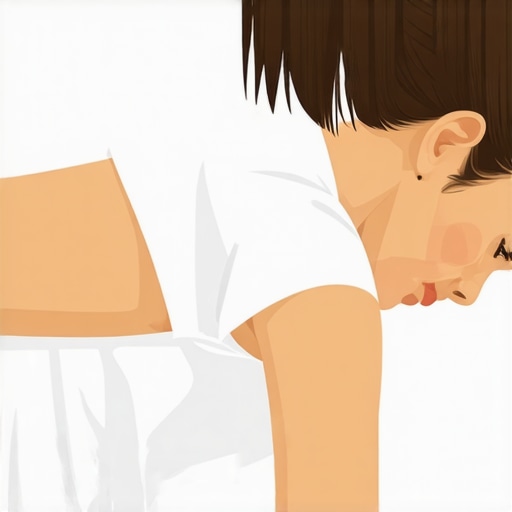
Stop icing your acute back strain—try this instead
I remember the first time I pulled my lower back during a long day at the computer. The pain hit suddenly, like a lightning bolt, and all I could think about was icing it immediately. Ieshardly waited before wrapping that frozen pack around my waist, convinced it was the best way to tame the swelling. But guess what? That quick fix didn’t just fail—it made things worse. It took me a while to realize I was stuck in a common trap that many of us fall into when handling sudden back pain.
Now, I want to share a little secret that changed the way I approach acute back strains. This isn’t about blindly following the latest “miracle” remedy but about understanding what your body truly needs and how to give it a real reset. Today, we’re going to explore why icing might not be your best move right now and what simple, effective strategies you can use instead to get back to feeling like yourself.
Why Your Go-To Icing Method Might Be Doing More Harm Than Good
Questioning the Cold Pack Routine: Is It Actually Worth the Hype?
Many folks, myself included early on, believe that icing is the ultimate way to reduce inflammation and numb the pain. While there’s some truth to that, the problem arises when we over-rely on ice without understanding the underlying mechanics. I made the mistake of thinking that stopping inflammation immediately was the key to recovery, but in doing so, I suppressed vital blood flow needed for healing. The result? My back stayed stiff and sore longer than it should have.
Science supports this insight. A 2013 study published in the *European Journal of Applied Physiology* states that applying cold too early can inhibit tissue repair and slow recovery. Instead, I started to learn about alternative approaches that promote circulation and support natural healing. That realization pushed me to look beyond ice and consider gentle movement and strategic resets—techniques I now swear by.
If you’ve been treating your back strain with ice and not seeing the improvement you’d hoped for, you’re not alone. There’s a simple, effective way to give your body the reset it desperately needs. Want to know what it is? Stick around—I’m about to share proven strategies that will change your recovery game.
For more insights on managing neck and back pain naturally, check out [effective neck pain management](https://quackersspinal.com/effective-neck-pain-management-a-step-by-step-guide). Next, we’ll delve into practical steps to activate your body’s healing potential rather than just numbing the pain.
Start Moving Gently to Promote Healing
Instead of static rest or icing, incorporate gentle movements that encourage blood flow. For example, lie on your back, bend your knees, and slowly tilt your pelvis up and down. This helps activate your lumbar muscles without overstressing them. I remember the first time I did this after my back pain flared up—initially messy with awkward movements—but I felt a noticeable decrease in stiffness after just a few minutes. Consistency is key here, so aim for short, daily sessions.
Use Micro-Movements to Reclaim Mobility
Break down bigger motions into smaller, manageable micro-movements. For instance, when trying to turn your torso or bend sideways, do so gradually, feeling the joints and muscles easing into each position. This approach prevents further strain and teaches your nervous system to re-engage with normal movement patterns. I especially found success with half-rotations during my recovery phase, which I performed while sitting and holding onto my chair for support. Over time, these small improvements added up, restoring my confidence in moving normally again.
Align and Reset Your Posture Throughout the Day
Incorrect posture acts like weight on a delicate wire—eventually causing tension and pain. To counter this, set intentional reminders to correct your sitting and standing habits. One effective method is the “3-Second Posture Reset”: sit upright, tuck your chin slightly, draw your shoulders back, engage your core, and hold for three seconds before returning to your relaxed position. I integrated this every hour during work, which significantly reduced my neck and upper back tension. Incorporate [chiropractic-based](https://quackersspinal.com/boost-your-back-health-simple-yet-effective-chiropractic-hacks) techniques to enhance your posture reset routine for even better results.
Implement Strategic Breathing to Reduce Spinal Stress
Deep, diaphragmatic breathing enhances blood circulation and relaxes tense muscles. When I felt tightness in my lower back or neck, I would take slow, controlled inhales for four seconds, hold for two seconds, then exhale fully over six seconds. This simple act helped me relax my lumbar and cervical regions, decreasing pain and improving mobility. A focused breathing routine can act as a natural, low-impact way to soothe your spinal tissues during recovery. Check out [breathing techniques](https://quackersspinal.com/the-best-way-to-breathe-to-reduce-spinal-pressure) that complement physical movements for complete relief.
Apply Self-Reset Techniques When Pain Peaks
During intense flare-ups, instead of rushing to ice, try a quick self-reset like the “Wall Lean”. Stand with your back against a wall, feet a few inches away, and gently press your lower back into the surface. Hold for 10 seconds, breathe deeply, then relax. This activates the deep stabilizers and realigns your pelvis and spine. I experienced immediate relief once I mastered this, especially on days when pain threatened to escalate. It’s a simple trick but works like magic when used correctly.
Practice Posture and Movement Habits Every Day
Embedding these strategies into your daily routine creates a foundation for lasting recovery. Small habits—like adjusting your workspace setup, performing quick mobility drills, and practicing mindful breathing—prevent chronic strain from reasserting itself. For tailored guidance, exploring [mobility mastery](https://quackersspinal.com/mobility-mastery-expert-tips-for-back-pain-prevention-and-recovery) can help you design an ongoing plan that empowers your body to heal itself naturally. Remember, consistency over perfection makes the biggest difference in your back health journey.Many believe that visiting a chiropractor is a quick fix for lasting relief, but in reality, relying solely on adjustments without understanding the nuances can lead to frustration. One prevalent myth is that all neck pains stem from spinal misalignment, prompting many to seek aggressive manipulations when gentle, targeted therapy might be more effective. Misconceptions like these can cause patients to overlook the importance of proper mobility exercises and postural habits, which are often the real keys to lasting relief.
Another frequent trap is assuming that stretching alone can解solve chronic pain issues. While flexibility is essential, over-stretching or incorrect techniques can exacerbate problems, especially if underlying stability isn’t addressed. It’s crucial to recognize that mobility isn’t just about elongating tissues but also about reintegrating movement patterns and strengthening supporting muscles.
For advanced practitioners, the question arises: “How does spinal health relate to neurological function beyond simple structural alignment?” Recent research underscores that nerve conduction and proprioception can be significantly affected by subtle, often overlooked factors such as fascia restrictions or proprioceptive deficits. A study published in the *Journal of Bodywork and Movement Therapies* highlights that integrating mobility drills with spinal stabilization enhances both pain outcomes and functional movement, challenging the idea that chiropractic adjustments alone can resolve complex neuromuscular issues.
Beware the oops moment: pushing through pain during mobility work without guided supervision can lead to tissue damage or chronic problems. Always consider a comprehensive assessment to tailor interventions appropriately.
Remember, true progress comes from understanding the layered relationship between posture, movement, and neural health. Dive deeper into these concepts via our detailed guides, like [boost your back health with simple chiropractic hacks](https://quackersspinal.com/boost-your-back-health-simple-yet-effective-chiropractic-hacks). Have you ever fallen into this trap? Let me know in the comments.Maintaining progress after injury or chronic discomfort requires the right arsenal of tools combined with consistent habits. I personally rely on a few key pieces of equipment that have transformed my ability to sustain mobility and prevent setbacks. One of my favorites is the foam roller, but not just any—I’ve found the softer, density-specific rollers to be gentler yet effective for releasing fascia restrictions around the neck and back. Applying self-myofascial release with my preferred roller helps me avoid tight tissues that often cause pain flare-ups.
In addition to physical tools, I utilize apps designed for guided mobility exercises and mindfulness. For example, I recommend the ‘Mobility Mastery’ app, which offers tailored routines that I’ve personally used during recovery phases to address specific tight spots. These digital resources empower me to perform targeted stretches and breathing routines, ensuring I stay on top of my mobility without needing constant supervision.
Another crucial element is maintaining proper ergonomic setup. I use adjustable sit-stand desks and lumbar supports that I’ve calibrated over time to support healthy spinal alignment. Investing in these ergonomic tools has significantly reduced the frequency of pain episodes, especially during long workdays.
Prediction-wise, I see the trend moving toward smarter, AI-driven biofeedback devices that monitor posture and muscle tension in real-time. These innovations will likely become standard for proactive spinal health management, alerting us before discomfort becomes severe.
How do I keep my neck and back in top shape over time? The secret is embedding simple, effective routines into daily life. Regularly using tools like foam rollers and apps for mobility exercises creates an ongoing preventive barrier. Consistency is key; a short 5-minute daily routine can prevent the build-up of tensions that lead to pain. Also, periodically revisiting ergonomic setups ensures sustained alignment, especially as your workspace or daily tasks evolve.
If you’re serious about长期疾病预防 and want actionable steps, I highly recommend trying the simple mobility routines combined with chiropractic insights to maintain long-term neck and back health. Remember, tools are only as effective as your commitment to consistent use. Making this part of your daily self-care can significantly reduce pain and improve your quality of life over the years.Every back pain story offers profound lessons, especially when we listen closely to what our bodies teach us through discomfort and relief. I’ve learned that healing isn’t just about quick fixes but about embracing moments of vulnerability and patience. One key insight came when I realized that pushing through pain often prolongs the struggle rather than resolves it. Instead, gentle movement and mindful awareness foster long-term resilience. Another revelation was that posture corrections, when integrated seamlessly into daily routines, create a ripple effect of well-being that sustains recovery.
Moreover, I discovered that trusting the process—rather than chasing instant relief—leads to more durable results. Celebrating small milestones, like a pain-free morning or a better range of motion, keeps motivation alive. This journey has shown me that compassionate consistency, coupled with evidence-based strategies, unlocks the body’s innate healing power. Remember, your unique experience holds the keys to what works best for you, so stay curious and patient as you map your path to lasting back health.