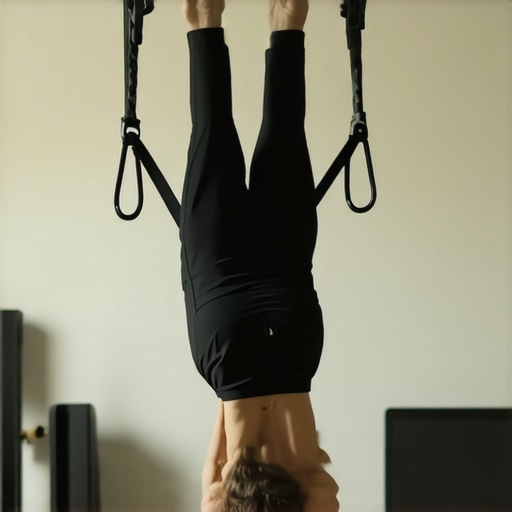
The ‘Windmill’ stretch for better thoracic rotation
I remember the exact moment I realized my lack of thoracic mobility was holding me back—not just during workouts, but in everyday life. One morning, as I reached to grab something off the top shelf, I felt that familiar tightness in my upper back and a sharp twinge that made me pause. It was a stark reminder that my spine wasn’t moving as freely as it should. That lightbulb moment prompted me to dig into one particular stretch that became a game-changer: the Windmill stretch for thoracic rotation.
Why Improving Your Thoracic Spine Matters More Than You Think
Let’s face it—most of us focus on our hips or lower back when we think about mobility and pain. But the thoracic spine, your mid-back, is often the overlooked hero in maintaining a healthy, pain-free spine. Its ability to rotate freely influences everything from your posture to your performance during exercise, and even your daily comfort. When this section of your spine is stiff, it can cause compensations, leading to neck pain, shoulder discomfort, and more serious issues like herniated discs.
Research shows that poor thoracic mobility can be a significant contributor to low back and neck pain. In fact, a study published in the Journal of Manipulative and Physiological Therapeutics found that improving thoracic rotation significantly relieved pain and enhanced performance in athletes as well as in individuals experiencing chronic discomfort. That’s why I became so passionate about mastering simple but effective techniques to open up my mid-back.
One mistake I made early on was neglecting this region altogether and solely focusing on my lower back and neck. This oversight not only slowed my progress but also intensified my discomfort. Real progress began when I started incorporating specific stretches into my routine—like the Windmill—that target thoracic rotation directly.
If you’ve ever felt stiff, restricted, or experienced pain in your upper back or shoulders, chances are your thoracic spine needs some attention. The good news? It’s easier than you think to make a change—once you understand the hows and whys. Up next, I’ll walk you through why this stretch works so well—and how to do it properly so you can get immediate relief and long-term mobility gains. Curious if this could be your breakthrough too? Keep reading!
Get into Position and Prepare
Start by standing with feet shoulder-width apart, knees slightly bent, and arms relaxed at your sides. Engage your core to support your spine. Recall a time I tried to perform the windmill stretch without proper setup and ended up twisting awkwardly—the lesson was that preparation matters. By aligning your body properly, you set the stage for effective thoracic rotation without risking strain.
Find the Correct Rotation Point
Position yourself on all fours, hands beneath shoulders and knees under hips, like a tabletop. To avoid the common mistake of overextending or arching your back, focus on isolating your mid-back movement. Imagine your thoracic spine as a hinge; your hips and lower back should stay stable while your upper torso rotates. I once neglected this, leading to neck involvement; instead, I realized keeping the hips steady ensures targeted mobility.
Implement Controlled Movements
Slowly twist your upper body towards one side, initiating the movement from your thoracic area. Use your arm to gently guide the stretch, feeling the rotation in your upper back. During my first attempt, I rushed, which caused discomfort—so I learned to control my tempo, emphasizing smooth, deliberate movements. This not only prevents injury but enhances the stretch’s efficacy.
Enhance with Breathing Techniques
Inhale deeply as you prepare, then exhale slowly as you twist further, maximizing tissue relaxation. Breath control is vital; it acts like oil on a squeaky hinge, allowing smooth motion. I found that combining breath with movement made a noticeable difference in my flexibility over time.
Incorporate Repetition and Progression
Perform 8-10 repetitions per side, gradually increasing the rotation angle over sessions. Consistency is key; neglecting regular practice delays results. I experienced this when I skipped a week—my progress plateaued. Repeating the movement builds not just flexibility but confidence in your mobility abilities.
Apply to Everyday Movements
Use these rotations during daily activities—like reaching for groceries or turning to look behind. Think of your thoracic spine as the control center for daily motion; the more freely it moves, the better your posture and less strain on other joints. I recall a moment when stiff shoulders caused discomfort; practicing these rotations reduced the tension and improved my posture during work.

Remember, the goal is to transform a simple stretch into a powerful tool for mobility. Integrate these steps into your routine and watch your upper back loosen up, paving the way for pain-free movement and better posture.
Many people believe that stretching is the ultimate solution to back or neck pain, but this overgeneralization often leads to frustration and even injury. The reality is that mobility issues are complex and require targeted strategies; blindly stretching without understanding the root cause can reinforce bad habits. For example, some assume that pain indicates a need for more flexibility, but sometimes, the pain stems from joint instability or motor control problems. This misconception might cause you to force a stretch that exacerbates symptoms rather than alleviates them.
A frequent myth is that chiropractic adjustments alone can solve chronic back or neck pain. While adjustments are beneficial for many, they are not a one-size-fits-all cure. Relying solely on manipulation without addressing movement patterns, muscle imbalances, or lifestyle factors ignores the comprehensive nature of spinal health. Incorporating functional assessments and corrective exercises leads to more sustainable improvements.
Moreover, many think that feeling stiff or tight always means the muscles are the problem. However, stiffness can sometimes be a protective response — your body’s way of guarding a vulnerable joint or disc. Pushing through this sensation with aggressive stretching can temporarily worsen the issue and delay recovery. Recognizing when stiffness is a sign of underlying instability versus tightness is crucial for effective treatment.
What about the role of posture alone in back and neck pain? Although poor posture contributes to discomfort, it is rarely the sole cause. Focusing only on static alignment neglects dynamic movement and control. Improving posture should go hand-in-hand with enhancing mobility and strength to ensure resilient and pain-free movement.
Finally, many fall into the trap of seeking quick fixes—like expensive gadgets or extreme routines—that promise instant relief. These shortcuts often neglect the importance of consistent, progressive, and personalized interventions. An overreliance on external solutions without building internal resilience can lead to repeated setbacks.
For a more in-depth understanding of these nuances, check out my comprehensive guide on spinal health and mobility. Remember, true progress comes from addressing the real causes, not just the symptoms.
Are you guilty of any of these myths? Share your experiences or questions in the comments below! And if you’re ready to tackle your mobility issues head-on, consider consulting with a specialist who can tailor strategies specifically for you. Want to learn more? Visit our contact page to get personalized advice.Maintaining your spinal health isn’t a one-time fix; it requires consistent effort and the right tools. Personally, I swear by a high-quality foam roller, specifically the 36-inch diameter version, which I use daily to release tension in my back and hips. This simple yet effective device helps me keep my fascia supple, promoting better mobility and reducing discomfort over time. Additionally, I incorporate resistance bands during my warm-up routines, allowing me to activate stabilizing muscles that support my spine, which is crucial for preventing injury and ensuring sustainable progress. For those interested in data-driven approaches, I use posture-tracking apps like Upright, which provides real-time feedback and helps me correct alignment issues before they develop into chronic problems. As technology advances, I predict a rise in AI-powered biomechanical assessments that could personalize mobility routines even further, ensuring optimal long-term outcomes. How do I maintain mobility and prevent setbacks? By establishing a disciplined routine that combines manual tools with digital feedback, I address both soft tissue restrictions and postural habits. If you’re serious about long-term back health, I recommend integrating a foam roller into your daily regimen and exploring posture-monitoring apps—both are game-changers in my experience. The key is consistency: using these tools regularly helps me identify early signs of tension and correct them proactively. Remember, small daily habits compound, leading to durable improvements and fewer flare-ups. For more comprehensive guidance, check out my article on spinal health and mobility. Want to take your proactive maintenance to the next level? Consider scheduling periodic check-ins with a chiropractor, who can provide tailored adjustments and advice on your evolving needs. Properly maintained, your spine can serve you well for decades, free from pain or limitation.
What I Wish I Knew About Spinal Resistance
The hardest lesson I learned was that pushing through stiffness without understanding its origins often worsened my discomfort. Sometimes, resistance in my back was a sign of protective guarding, not just tight muscles—and battling it blindly only prolonged the healing process. Listening deeply to my body’s signals, rather than forcing movement, became a turning point in my recovery.
The Power of Personalization Over Generic Routines
I’ve realized that what works for one person might not for another. Tailoring mobility exercises to my unique habits and imbalances—like incorporating specific thoracic rotations—made all the difference. Relying solely on cookie-cutter programs often left me frustrated, emphasizing the importance of personalized strategies, such as consulting with specialists who understand the nuances of spinal health.
My Aha Moment with Consistency and Mindful Movements
Consistency trumps intensity. Small, daily routines—like mindful breathing coupled with controlled rotations—not only improved my flexibility but also built confidence in my body’s capacity. That moment when I committed to steady practice over sporadic effort was transformative, underscoring that sustainable change arises from persistence and awareness.
Curated Tools for Lasting Back and Neck Comfort
Over time, I’ve come to trust a few essentials: a quality foam roller to release fascia, resistance bands for targeted activation, and digital posture aids to keep me accountable. These tools, combined with professional guidance from trusted sources like comprehensive guides on spinal health, form my personal toolkit for ongoing mobility and pain prevention.
Your Next Step Toward Mobility Freedom
If you’re tired of feeling stiff or limited, remember that real progress comes from understanding your body and committing to meaningful habits. Trust yourself enough to prioritize regular movement and seek expert advice when needed. Your journey toward pain-free movement is within reach—start today, and celebrate every small victory along the way.
Which specific mobility challenge have you struggled with most? Share your story below—I’d love to hear how you’re working toward greater spine freedom!
,