The ‘Z-Press’ for better posture and core strength
It was a typical Monday morning when I caught a glimpse of myself in the mirror and finally realized the toll years of poor posture had taken. My shoulders were rounded, my neck felt stiff, and every movement seemed to trigger a dull ache that refused to go away. That moment was a lightbulb—enough was enough. I knew I had to find a better way to support my spine, not just quick fixes but something that truly addressed the root cause.
The Power of the Z-Press to Transform Your Posture and Mobility
As I delved into different methods, I discovered the Z-Press—a simple yet effective exercise that targets your core and shoulder stability. Unlike typical routines, this move emphasizes proper alignment and controlled movement, helping to re-educate my muscles and correct ingrained bad habits. Since incorporating the Z-Press into my daily routine, I’ve noticed an astonishing decrease in back discomfort and an improvement in my overall mobility. It’s like giving my spine a reset button, and I want you to experience the same.
Skeptical? Here’s What I Got Wrong Early On
I admit, when I first read about the Z-Press, I underestimated its importance. I thought, “It’s just another core exercise,” and skipped proper form, which only made things worse. I made the mistake of rushing through it without understanding the biomechanics involved. Small errors can turn an effective move into a frustrating or even harmful one. But once I learned to do it correctly, with the right posture and breathing, everything changed. If you’re skeptical, I get it. But trust me, proper technique is everything—more than just a cliché, it’s the key to lasting results and injury prevention. For more insights on common mistakes, check out how chiropractic care can aid your recovery.
Now, let’s talk about how exactly this little move can make a big difference in your daily life. If you’ve ever experienced that sharp pain after bending or lifting, or if your neck keeps aching after a long day at the desk, you’re not alone. Many people suffer because they don’t realize how much their posture, core strength, and movement patterns influence their overall health. The good news? With consistent effort and proper guidance, you can regain control, reduce discomfort, and move with confidence. Ready to dive into the practical steps that will put you on the fast track to better posture and core stability? I’m here to guide you.
Adjust Your Workspace to Support Your Spine
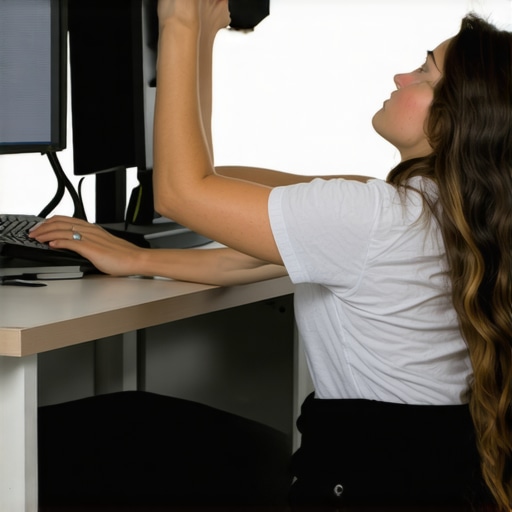
Start by setting up your workspace ergonomically. Use an adjustable chair with lumbar support to maintain natural spinal curves. Align your monitor at eye level to prevent neck strain, and keep your feet flat on the floor. Think of your workspace as a foundation for good posture—if it’s unstable, everything above suffers. I remember adjusting my desk height and noticing immediate relief in my neck ache, which motivated me to commit to further changes.
Master the Correct Z-Press Technique
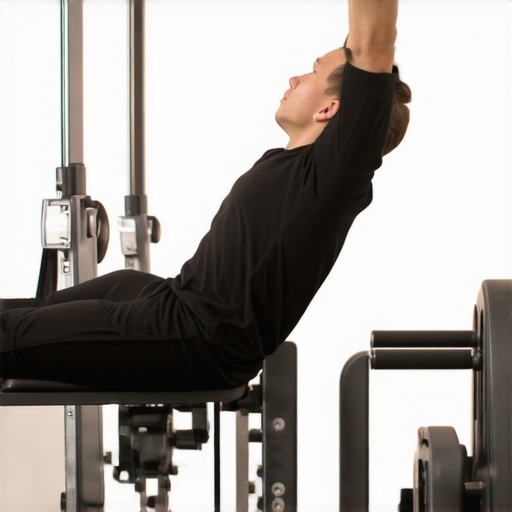
The key is to perform the Z-Press with precision, focusing on controlled movements. Sit on the ground with legs extended or crossed comfortably. Keep your back straight and engage your core by imagining you’re tightening a belt around your waist. Press a light weight or resistance band overhead, ensuring your shoulders don’t creep upward. I once tried this after a quick video tutorial, rushing through the reps, which led to shoulder discomfort. Later, I slowed down, emphasized proper alignment, and immediately felt my shoulder stability improve, illustrating the importance of mindfulness during execution. For detailed guidance, visit this resource.
Focus on Breathing to Enhance Movement
Proper breathing enhances muscle activation and keeps tension at bay. Inhale deeply through your nose as you prepare, then exhale slowly while pressing overhead, engaging your diaphragm. When I incorporated rhythmic breathing during my Z-Press repetitions, I experienced less fatigue and better posture control, which improved my confidence in performing the move correctly. Remember, breath control is as vital as the movement itself.
Set a Routine with Consistency
Schedule your exercises daily, perhaps in the morning or evening. Consistency fosters muscle memory and long-term posture correction. I struggled at first—missing days or rushing through routines—but after establishing a firm schedule, I saw a steady decline in discomfort and a boost in mobility. Think of this process like tending a garden: regular attention yields healthy growth. For a comprehensive plan, explore proven strategies for back pain relief.
Incorporate Movement Breaks During Your Day
Frequent breaks prevent stiffness. Stand up, stretch, or perform gentle spinal rotations every 30 minutes when working at a desk. I once worked through an entire afternoon without movement, ending up with a tense neck and lower back. A simple chair stretch or walking around for a minute can reset your posture and reduce discomfort. Think of your body as a machine: regular lubrication and movement prevent breakdowns. For more tips, check out expert methods for neck and back relief.
Integrate Mobility Drills into Daily Life
Add specific drills like thoracic rotations, hip flexor stretches, or core activation exercises. For example, I include a 2-minute hip drill every morning, which surprisingly eased my lower back tension. These quick routines strengthen the muscles supporting your spine, making everyday movements safer. Imagine your back as a chain: strengthening each link ensures the whole chain remains sturdy. Look into chiropractic techniques to boost mobility for more ideas.
Listen to Your Body and Adjust Accordingly
Pay attention to how your body responds. If a move causes pain or discomfort, stop immediately and reassess your form or intensity. I once aggravated my shoulder doing a movement that felt easy initially; stepping back and consulting resources prevented further injury. Your body communicates what’s working and what’s not—learn to interpret these signals accurately. Incorporate rest days for recovery and consult professionals when necessary—especially if pain persists or worsens.
Many assume that back pain is simply a matter of muscle strain or a quick fix with painkillers, but this perspective overlooks the nuanced complexities involved. A common misconception is that all pain relief methods are interchangeable, when in reality, neglecting the importance of proper diagnosis can lead to worsening symptoms or chronic issues. For instance, some believe that chiropractic adjustments are solely about neck and back cracking; however, the true power lies in understanding spinal biomechanics and patient-specific needs, as discussed in chiropractic secrets for mobility recovery. Additionally, many overlook the risk of misdiagnosis—treating symptoms without addressing underlying causes can delay healing or cause collateral damage. An advanced mistake is assuming that pain is always indicative of structural issues; sometimes, nerve sensitivity or muscular imbalances are at play, requiring a more comprehensive approach. This nuance emphasizes that a multidisciplinary strategy, including mobility exercises and lifestyle adjustments, is often more effective. An expert from the field highlights that a personalized plan is essential, especially to avoid the trap of over-reliance on quick fixes, which is discussed in proven strategies for back pain relief. Have you ever fallen into this trap? Let me know in the comments. Recognizing these subtle errors allows you to navigate your healing journey more effectively, ensuring that your approach is both sustainable and tailored to your unique needs.
Maintaining spinal health and mobility over time requires more than just sporadic exercises; it demands a set of reliable tools and consistent strategies that empower you to stay on track. As someone deeply invested in long-term back health, I’ve found that specific equipment and techniques can make all the difference in sustaining progress and preventing setbacks.
Invest in a Quality Lumbar Roll for Daily Support
A lumbar roll has become an essential part of my daily routine, especially when working at my desk. I personally use a memory foam lumbar support that conforms to my lower back’s natural curve, providing unwavering support throughout the day. This simple device helps prevent the slouching pattern that often leads to chronic neck and back pain. I recommend choosing one with adjustable firmness to adapt to your body’s changes, ensuring consistent spinal alignment. Proper lumbar support can significantly reduce the risk of developing postural imbalances, and incorporating it into your workspace is a small effort with big rewards. For detailed guidance, check out this resource.
Use a Foam Roller to Release Tension
In my toolkit, a foam roller has proven invaluable for releasing muscular tightness that contributes to pain and restricted mobility. I frequently use a medium-density foam roller on my upper back and hips to soften knots and improve tissue flexibility. Rolling gently over areas like the thoracic spine or hip flexors promotes better posture and reduces nerve compression. Be cautious to avoid rolling directly on bones or joints. Regular use of a foam roller can improve circulation, break down scar tissue, and support your chiropractic or physical therapy efforts. To learn proper technique, explore this guide.
Embrace Mobile Apps for Guided Mobility Routines
Technology has made it easier than ever to stay consistent. I use apps like ‘Mobility Master’ which provide step-by-step routines tailored to back and neck health. These apps remind me to perform mobility drills throughout the day and help me track progress. I appreciate their video demonstrations, ensuring I perform each movement correctly, thus minimizing injury risk. As mobility science progresses, expect these platforms to incorporate AI-driven personalized plans, further optimizing results. For ongoing support, consider exploring proven strategies available online.
How do I maintain my progress for the long haul?
Consistency remains the cornerstone of lasting results. Regularly revisiting your routines, updating your tools, and listening to your body’s signals keep your spine resilient. I recommend periodically scheduling a professional assessment—many chiropractors offer virtual consultations that can identify emerging issues early. Incorporating daily movement with purposeful tools, like a lumbar roll or foam roller, combined with mindful practices such as deep breathing, ensures your improvements aren’t fleeting. With the right tools and habits, you can enjoy pain-free mobility well into the future. For more insights into sustaining your gains, explore chiropractic secrets.
Lessons I Wish I Had Discovered Sooner
One lightbulb moment for me was realizing that consistent, mindful movement outweighs occasional workouts. I once thought sporadic stretches would suffice, but I learned that integrating daily mobility drills truly transformed my spine health. Another lesson was understanding the importance of listening to my body’s signals—push too hard without proper form, and setbacks follow. Lastly, I discovered that the right tools, like a quality lumbar support and foam roller, can make a significant difference in maintaining progress over time.
My Go-To Resources for Back and Neck Revival
For deep insights into spinal health, I trust chiropractic strategies that focus on personalized recovery plans. The proven techniques I use daily have been game-changers, helping me build resilience and reduce discomfort. If you’re serious about embracing a pain-free life, exploring these carefully curated tools and methods can set you on the right path.
Your Next Step Toward Freedom from Discomfort
The journey to better back and neck mobility is entirely within your reach. Embrace the small daily habits, leverage effective tools, and stay committed to your routine. Remember, long-term change isn’t about quick fixes but sustained effort and mindful choices. You owe it to yourself to move with confidence and comfort every day.