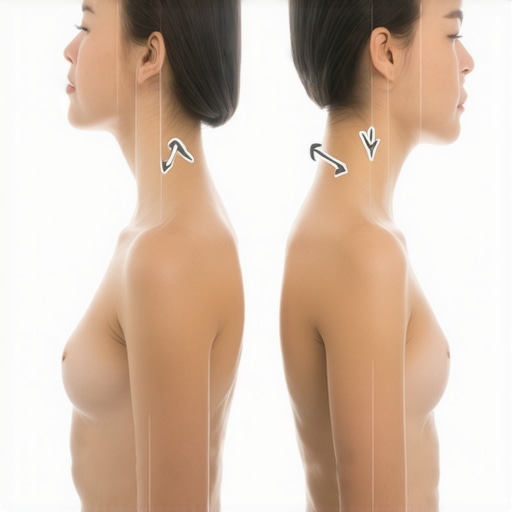
How your pelvic tilt is making your belly look bigger than it is
Ever looked in the mirror after a long day and felt like your stomach suddenly ballooned overnight? I used to think I was gaining weight, only to realize that my belly looked bigger not because of extra pounds, but because of a hidden posture problem. That moment of embarrassment turned into a lightbulb—my pelvic tilt was pulling my pelvis forward, causing my lower abdomen to protrude more than it should. It was a frustrating cycle: I thought I was bloated or gaining fat, but in reality, my posture was distorting my silhouette.
Why Your Pelvic Alignment Is More Important Than You Think
If you’re like me, spending hours seated or carrying tension in your hips, chances are your pelvis isn’t perfectly aligned. This misalignment can tilt your pelvis forward (anterior tilt) or backward (posterior tilt), but the common culprit is often the former. When the pelvis tilts forward, it creates a sort of ‘pouch’ appearance in the lower belly, even if your core strength is solid. The bad news? This visual trick can make you feel heavier and more self-conscious, impacting your confidence and comfort.
Is Pelvic Tilt Actually Worth the Hype?
Early on, I dismissed pelvic tilt as just a minor issue—something only athletes or back pain sufferers needed to worry about. I made the classic mistake of ignoring my posture, thinking stretching or strengthening my core would fix everything. That was a mistake. Research indicates that poor pelvic alignment not only affects your appearance but also contributes to chronic back pain and mobility restrictions (source). Addressing this alignment can dramatically improve how your belly looks and how you feel physically.
Have you ever noticed your belly poking out after hours at your desk or sitting in the car? If so, you’re not alone. It’s a common, often overlooked problem caused by the way our pelvis tilts and our hips and core muscles hold tension. Recognizing this is the first step—because the good news is, with targeted adjustments and exercises, you can re-align your pelvis and reclaim your natural posture.
Now that I understand the cause, I’m eager to share with you the steps I took to correct my pelvic tilt. It’s not just about aesthetics; proper alignment supports healthier movements, reduces pain, and—even better—makes your belly look more natural without dieting or crunches. Ready to see how you can start fixing this problem today? Let’s dive into the practical methods that helped me—and can help you, too.
.
Get Your Pelvis Back in Alignment with Targeted Movements
One effective way I corrected my anterior pelvic tilt was by incorporating specific exercises that target the hip flexors and lower back muscles. I start by lying supine on the floor, knees bent and feet flat, and perform gentle pelvic tilts. This mirrors the movement of rocking your pelvis forward and backward, helping to retrain your muscles to find their natural position.
Then, I added the bridge exercise: lying on my back with knees bent, lifting my hips toward the ceiling while squeezing my glutes. This strengthens the posterior chain, counteracting the pull of tight hip flexors that tilt the pelvis forward. During my first week, I noticed my lower belly was less protrusive, and my posture felt more natural.
Supercharge Your Posture With Hip Flexor Stretching
Next, I focused on loosening tight hip flexors through controlled lunges. I stepped one foot forward into a deep lunge position, keeping my back leg extended and pelvis tucked under. I held the stretch for 30 seconds per side, feeling a gentle lengthening. This helped reduce the anterior tilt and eased the pull on my lumbar spine.
To get personal feedback and ensure correct form, I consulted resources like this guide. It emphasized the importance of maintaining a neutral pelvis during exercises, preventing compensatory movements that could reinforce improper tilting.
Incorporate Core Stability for Long-Term Relief
Enhancing your core stability is crucial. I implemented planks and dead bugs: planks by holding a straight line from shoulders to heels, ensuring my pelvis was level, not sagging or piked. Dead bugs involved extending opposite arm and leg while keeping my low back pressed into the ground. These exercises advanced my ability to maintain pelvic alignment during daily activities.
Consistency was key. By dedicating 10 minutes daily to these movements and paying attention to my posture throughout the day, I gradually retrained my body. The real breakthrough came when I realized that strengthening my core and stretching my hip flexors had a compounded effect, dramatically reducing the protrusion of my belly caused by misalignment.
Monitor Your Progress and Adjust as Needed
I kept track of my improvements by checking my reflection and noticing less forward tilt when standing naturally. Occasionally, I used a mirror or took progress photos to stay motivated. If the exercises caused discomfort or didn’t seem effective, I revisited resources like this article for alternative techniques or consulted a chiropractor for personalized adjustments.
Remember, realignment takes time. Patience and adherence to a targeted routine helped me restore proper pelvic positioning and, consequently, a more natural belly line—without drastic dieting or endless crunches. You can do the same by following a consistent, mindful approach, integrating movement and stretching into your daily life.
Most people believe that chiropractic care is mainly about quick fixes—manual adjustments that relieve pain instantly. However, this oversimplification masks a complex reality. Contrary to popular myths, chiropractic isn’t solely about cracking bones; it’s about understanding the intricate relationship between spinal alignment, nervous system function, and overall mobility. Many overlook that true progress requires addressing root causes, not just symptoms. For example, relying solely on spinal adjustments without modifying lifestyle factors like posture habits or movement patterns can lead to suboptimal results or recurrence. One common misconception I see often is the belief that once pain subsides, the problem is solved. In reality, neglected compensations and muscular imbalances can cause pain to return if not properly corrected.
A trap to avoid is assuming that chiropractic adjustments are universally apply-and-forget solutions. While adjustments can provide immediate relief, advancing your mobility and long-term health demands a comprehensive approach—including targeted strengthening, flexibility exercises, and ergonomic changes. For instance, many patients experience temporary relief but haven’t addressed underlying issues like weak core stability or tight hip flexors, leading to chronic discomfort. Critical to this is understanding the importance of neuro-musculoskeletal health—tiny feedback loops between nerves, muscles, and bones that shape how we move and feel. Recognizing these nuances is key to sustainable improvement.
What Do Experts Say About Myths and Advanced Mistakes in Chiropractic?
Leading specialists emphasize that over-reliance on adjustments alone is a common mistake. Dr. Mike Mew, a prominent figure in orthotropics, notes: “A holistic approach addressing posture, muscle balance, and movement is essential for lasting correction” (source). This highlights that true expertise involves integrating various strategies rather than depending solely on manipulations.
Another advanced nuance is the importance of understanding tissue adaptability. Frequent adjustments without proper muscular conditioning can lead to tissue dependency, where joints ‘expect’ adjustments and lose natural stability. To prevent this, incorporating active mobility routines and strengthening exercises, like those outlined in my previous posts, is crucial for reclaiming functional health.
Have you ever fallen into this trap of expecting quick fixes? Let me know in the comments. Remember, the path to genuine mobility isn’t just about adjustments—it’s about a mindful, comprehensive process that respects your body’s complexity.
Keeping It Working: Essential Tools for Lasting Mobility
Maintaining your spinal health requires more than just exercises; it involves leveraging the right tools and routines to reinforce your progress. Personally, I rely on a combination of mobility equipment and software to track and enhance my posture and movement patterns. One device I find invaluable is a resistance band set tailored for hip and core activation. These aren’t just for gym workouts—they help me perform targeted stretches and strengthening routines, like hip flexor releases and pelvic stabilization exercises, with precision. The key is integrating these tools consistently into daily routines to promote long-term stability.
Additionally, I use a lumbar support cushion during long stretches at my desk, which helps maintain proper spinal alignment as I work. Proper ergonomics, paired with tools like adjustable standing desks, empower me to switch between sitting and standing, reducing strain and muscle fatigue. Software applications such as posture reminder apps or movement trackers also play a crucial role. For example, using a mobile app that sends gentle reminders to correct your sitting posture or stand up periodically can prevent habits that cause misalignments over time. I personally set alarms every 30 minutes to adjust my posture—this habitual check-in is instrumental in preventing chronic issues.
How do I sustain improvements over the long haul?
Looking ahead, the trend is heading toward smarter, more integrated health solutions that combine wearable tech with AI-driven feedback. Imagine a future where your smart wearables continuously monitor your spinal alignment and suggest micro-adjustments in real-time. That active, personalized feedback could make maintaining health effortless and intuitive. For now, however, the key is consistency and using reliable tools to support your routine. Incorporating targeted equipment like foam rollers, massage balls, or even proprioceptive cushions can facilitate muscle release and tissue pliability—essential for long-term mobility restoration.
For instance, I regularly use a tennis ball for my lower back, carefully applying pressure to release tension points that develop from prolonged sitting. This simple, cost-effective method complements my exercises and mechanical interventions, ensuring my tissues stay supple and resilient. Embracing these versatile tools fosters resilience, keeping your spine in its optimal range day after day.
What can I do to maintain my progress over years?
Consistent maintenance involves periodic self-assessment and routine adjustments. I revisit foundational exercises and tool-based routines every few weeks, adapting them as my mobility improves. Setting a reminder to perform a mobility checklist—like checking hip flexor flexibility or performing pelvic tilts—can prevent regressions. Additionally, I advocate for annual check-ins with a trusted chiropractor or physical therapist. They can recalibrate your routine, recommend advanced tools, and address any emerging imbalances before they become problematic. Remember, investing in your body’s maintenance ensures that your mobility benefits endure long-term, reducing the need for frequent intensive interventions.
Don’t forget the importance of educating yourself about your tools. Visit resources like this guide for a comprehensive understanding of how each piece of equipment supports spinal health. One practical tip I suggest trying today: incorporate a resistance band stretch targeting your hip flexors during your mid-day break. It’s a simple addition that can dramatically reduce tightness and realign your pelvis, fostering sustainable mobility.
What I Wish I Knew About Pelvic Alignment Early On
One of my most revealing lightbulb moments was realizing that focusing solely on core strength without addressing pelvic tilt was like building a house on a shaky foundation. Personal setbacks taught me the importance of harmonizing muscles and understanding that true mobility stems from balance in my pelvis. I learned that *impatience with slow progress can lead to ignored imbalances*, but consistent, mindful movement yields long-term gains.
My Go-To Tools for Lasting Back and Neck Relief
Over time, I curated a set of reliable tools that truly support my mobility journey. The comprehensive guide on back pain and posture helped me understand the nuances of spinal health. I trust resistance bands for targeted hip strengthening, a tennis ball for tissue release, and posture reminder apps to keep me accountable. These resources empower me daily, anchoring good habits and ensuring sustained progress.
Chiropractic and Mobility: Breaking Myths and Building Confidence
One myth I shed was the idea that adjustments alone fix everything. Through my experience, I understood that combining chiropractic care with targeted exercises creates a synergy for lasting change. Recognizing that the nervous system and musculoskeletal health are interconnected led me to embrace a holistic routine—incorporating stretches, strengthening, and ergonomic practices. This multifaceted approach has transformed my outlook on health and reinforced the importance of consistent, informed care.
Your Next Step Towards Better Mobility
Remember, re-aligning your pelvis and improving your posture is a journey, not a quick fix. Small, daily actions—like mindful stretching or using supportive tools—compound over time. Trust the process, stay patient, and celebrate the small wins that lead to significant, lasting improvements. You have the power to change your posture and, consequently, how you feel every day. Take that first step today, knowing that your future self will thank you.